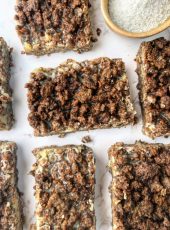
Low-Calorie Greek Yogurt Cake is a soft, moist, and lightly sweet homemade dessert made with Greek yogurt, eggs, flour, sugar, and vanilla. It has a tender texture with a gentle tangy flavor from the yogurt. This simple cake is a lovely choice for breakfast, an afternoon snack, or a light dessert after dinner.
Unlike many traditional cakes that use larger amounts of butter, oil, and sugar, this recipe uses Greek yogurt to help keep the cake moist and creamy. Only a small amount of optional oil is needed, and you can leave it out if you prefer. The result is a simple cake that feels satisfying without being as rich as many butter-based cakes.
One of the best things about this recipe is that it does not require special equipment or advanced baking skills. You can prepare the batter with everyday kitchen ingredients, pour it into a cake pan, and let the oven do the rest. Once the cake has baked and cooled, you can enjoy it plain or serve it with fresh fruit.
The combination of yogurt and vanilla gives this cake a pleasant flavor without needing thick frosting or rich fillings. If you enjoy a little extra freshness, lemon zest is an optional addition that works especially well with the mild tang of Greek yogurt.
This recipe makes approximately eight slices, making it suitable for sharing with family or friends. You can serve the cake at room temperature for a soft texture or chill it for a firmer, creamier result.
What Makes Greek Yogurt Cake Special?
Greek yogurt is the main ingredient that gives this cake its distinctive texture. It is thicker than regular yogurt and adds moisture to the batter. When mixed with eggs and flour, it helps create a soft cake that is tender but still holds together when sliced.
The yogurt also brings a mild tangy flavor. This balances the sweetness of the sugar and makes the cake taste fresh rather than overly rich. Vanilla extract adds a warm aroma, while optional lemon zest gives the cake a bright citrus note.
Another advantage is the simple ingredient list. You do not need buttercream, heavy cream, or a complicated filling. The cake tastes pleasant on its own, and you can add fresh strawberries, blueberries, raspberries, or sliced apples when serving.
Although this cake is described as low-calorie, the exact calorie content depends on the ingredients you use and the size of each slice. Choosing nonfat Greek yogurt and leaving out the optional oil can help keep the calories lower. Still, the cake’s texture and flavor will depend on accurate measurements and careful baking.
Recipe Overview
- Preparation time: 15 minutes
- Baking time: 30–40 minutes
- Cooling time: 30–45 minutes
- Total time: Approximately 1 hour and 30 minutes
- Servings: 8 slices
- Oven temperature: 170°C conventional oven or 160°C fan oven
- Difficulty: Easy
- Texture: Soft, moist, tender, and slightly creamy
- Flavor: Mildly sweet with vanilla and a gentle yogurt tang
Ingredients for Low-Calorie Greek Yogurt Cake
Each ingredient has a purpose in creating the cake’s flavor and texture. Measure everything before starting so you can prepare the batter without unnecessary delays.
1. Greek Yogurt — 250 grams
Use plain, unsweetened Greek yogurt. Nonfat or low-fat Greek yogurt is a good choice if you want to keep the cake relatively light. Full-fat Greek yogurt can also be used, but it will generally increase the fat and calorie content.
Choose a thick yogurt rather than one that is very watery. Thick yogurt gives the batter a better consistency and helps the cake hold its shape after baking.
2. Eggs — 2 large
Eggs help bind the ingredients together and give the cake structure. They also contribute moisture and tenderness.
If possible, allow the eggs to reach room temperature before mixing. Room-temperature eggs generally combine more easily with the yogurt, helping create a smooth batter.
3. All-Purpose Flour — 120 grams
All-purpose flour provides the structure needed for the cake. Measure it carefully, preferably using a kitchen scale. Too much flour can make the cake dry, heavy, or dense.
If you need a gluten-free version, you may try a suitable gluten-free baking flour blend. However, the texture may be different from the original recipe.
4. Granulated Sugar — 60 grams
The sugar gives the cake a gentle sweetness without making it excessively sweet. Measuring the sugar helps you maintain the intended balance of flavors.
If you prefer a sugar substitute, choose one designed for baking and follow the instructions on its packaging. Different sweeteners have different levels of sweetness and may affect the cake’s texture, moisture, and browning.
5. Baking Powder — 1 teaspoon
Baking powder helps the cake rise and gives it a lighter texture. Make sure your baking powder is fresh, as old baking powder may not provide enough lift.
Mix it thoroughly with the flour so it is evenly distributed throughout the batter.
6. Vanilla Extract — 1 teaspoon
Vanilla extract adds a pleasant aroma and warm flavor. It works well with the creamy yogurt and helps make the cake taste sweet and fragrant.
7. Lemon Zest — 1 teaspoon, optional
Lemon zest adds a fresh citrus flavor that pairs nicely with Greek yogurt. Use a fine grater to remove only the yellow outer peel of the lemon. Avoid the white layer underneath, as it can taste bitter.
You can leave out the lemon zest if you prefer a simple vanilla cake.
8. Salt — A small pinch
A small pinch of salt balances the sweetness and brings out the other flavors. You only need a little.
9. Olive Oil or Neutral Vegetable Oil — 1 teaspoon, optional
A teaspoon of oil can help make the cake more tender and prevent it from feeling dry. You can omit it if you want to reduce the added fat, although the cake may be slightly less soft.
10. Milk — 1–2 tablespoons, only if needed
Milk is optional and should only be added if the batter is too thick. Greek yogurt can vary in consistency, so a little milk may help make the batter easier to spread.
Add it gradually, starting with one tablespoon. Only add the second tablespoon if necessary.
Equipment You Will Need
Prepare these basic kitchen tools before you begin:
- A large mixing bowl for the yogurt and wet ingredients.
- A second bowl for the flour, baking powder, and salt.
- A whisk or electric hand mixer.
- A spatula for mixing and spreading the batter.
- Measuring spoons and a kitchen scale or measuring cups.
- Baking paper for lining the cake pan.
- An approximately 18–20 cm round cake pan.
You can also use a suitable square baking pan. Keep in mind that the size and depth of your pan can affect the baking time. A smaller pan makes a taller cake that may need longer to bake, while a larger pan makes a thinner cake that may cook more quickly.
How to Make Low-Calorie Greek Yogurt Cake
Follow these simple steps to prepare a smooth batter and bake a soft, moist cake.
Step 1: Preheat the Oven and Prepare the Pan
Preheat your oven to 170°C. If you are using a fan oven, set it to 160°C.
Allow the oven to reach the correct temperature before baking. A properly heated oven helps the cake rise and cook evenly.
Take an 18–20 cm round cake pan and line the bottom with baking paper. If needed, lightly grease the sides with a small amount of oil or cooking spray.
If you do not have baking paper, lightly grease the pan and dust it with a little flour. Tap out any extra flour before adding the batter.
Prepare the pan before mixing the ingredients so you can transfer the batter to the oven without delay.
Step 2: Mix the Greek Yogurt
Add 250 grams of plain Greek yogurt to a large mixing bowl. Whisk it gently until smooth and creamy.
If the yogurt has small lumps, continue whisking until they disappear. If it has separated in the container, stir it well to distribute the moisture evenly.
The yogurt should be thick but easy to stir. If it is extremely watery, drain off some excess liquid before using it. A watery yogurt can make the batter too thin and affect the finished cake.
Plain, unsweetened yogurt is best because it allows you to control the sweetness of the recipe.
Step 3: Add the Eggs
Crack the two large eggs into a separate small bowl first. This makes it easier to remove any shell fragments before adding them to the main mixture.
Transfer the eggs to the yogurt and whisk until everything is well combined. Continue mixing for about one minute.
You do not need to beat the eggs until they become very fluffy. Simply mix them well with the yogurt and incorporate a little air to help the cake develop a lighter texture.
Use a spatula to scrape the sides of the bowl so the yogurt and eggs are evenly mixed.
Step 4: Mix in the Sugar and Vanilla
Add 60 grams of granulated sugar to the yogurt and egg mixture. Whisk until the sugar is well distributed.
Next, add one teaspoon of vanilla extract and stir again.
If you want a fresh citrus flavor, add one teaspoon of finely grated lemon zest. Remember to use only the yellow outer peel because the white part underneath can taste bitter.
Mix until the ingredients look uniform and smell pleasantly fragrant. The vanilla and optional lemon zest give the cake a lovely flavor without requiring frosting or a rich topping.
Step 5: Combine the Dry Ingredients
Take a separate bowl and add 120 grams of all-purpose flour, one teaspoon of baking powder, and a small pinch of salt.
Mix these ingredients with a spoon or whisk so the baking powder and salt are spread evenly through the flour.
If the flour contains lumps, sift it before mixing. This helps create a smoother batter and reduces the chance of dry flour pockets remaining in the cake.
There is no need to add baking soda because the recipe uses baking powder as its main raising ingredient.
Step 6: Make the Cake Batter
Gradually add the dry ingredients to the yogurt mixture. Use a spatula or whisk to combine everything gently.
Mix only until the flour has been incorporated and no large patches of dry flour remain. Avoid vigorous or prolonged mixing after adding the flour, as too much mixing can make the cake tougher.
The batter should be smooth, thick, and pourable. Greek yogurt makes it slightly thicker than a traditional sponge cake batter.
If the mixture is too thick to spread comfortably, add one tablespoon of milk and stir gently. Add another tablespoon only if necessary.
If you are using the optional teaspoon of olive oil or neutral vegetable oil, stir it into the batter at this stage. The oil can help keep the cake tender, especially if you plan to refrigerate it.
Step 7: Pour the Batter Into the Pan
Pour the finished batter into the prepared cake pan. Use a spatula to scrape the bowl and transfer as much batter as possible.
Spread the mixture gently toward the edges of the pan. Smooth the surface with the back of a spoon or spatula so the batter is distributed evenly.
Tap the pan lightly against the countertop once or twice to release any large air pockets. Avoid tapping it too much because you do not want to remove all the air from the batter.
If you like, sprinkle a little extra lemon zest over the top for a simple decorative touch. The cake is now ready to bake.
Step 8: Bake the Cake
Place the pan on the middle rack of the preheated oven. Bake at 170°C for approximately 30–40 minutes.
The exact baking time may vary depending on your oven, the depth of the pan, the thickness of the batter, and the moisture in the yogurt.
Begin checking the cake after 30 minutes. The surface should look set, with lightly golden edges. The center should no longer look liquid or excessively wobbly.
Insert a clean toothpick into the center. If it comes out clean or with a few moist crumbs, the cake is generally ready. If wet batter sticks to it, bake for another five minutes and check again.
Avoid opening the oven door repeatedly during the first 20 minutes, as sudden temperature changes may affect the cake’s rise.
If the top becomes too brown while the center still needs more time, loosely cover it with foil. Keep the foil away from the heating elements and continue baking until the cake is cooked through.
Do not bake the cake longer than necessary. Since this recipe contains relatively little added fat, overbaking can make it dry.
Step 9: Cool the Cake Properly
Once the cake is baked, carefully remove it from the oven and place the pan on a heat-resistant surface.
Let it rest in the pan for 10–15 minutes. This gives the cake time to settle and makes it easier to remove without breaking.
If the edges are sticking, gently run a thin spatula or blunt knife around the inside of the pan.
Depending on your pan, you can turn the cake carefully onto a plate or cooling rack. If you use a springform pan, release the sides and transfer the cake to a rack.
Allow the cake to cool completely before cutting it. The inside can remain soft and delicate while warm, so slicing too early may cause the cake to crumble or look wet in the middle.
As the cake cools, its texture becomes firmer and the slices hold together more easily.
Step 10: Chill for a Creamier Texture
Once the cake has cooled completely, you can serve it straight away or refrigerate it for a few hours.
For a firmer, slightly creamier texture, cover the cake or place it in an airtight container and refrigerate for about two to three hours.
Chilling makes the cake easier to slice and can bring out the tangy flavor of the yogurt. However, this is still a yogurt cake rather than a traditional cheesecake because it does not contain cream cheese.
If you prefer a softer texture, allow a chilled slice to stand briefly until it is cool rather than very cold before serving.
Step 11: Slice and Serve
Cut the cake into eight equal slices. Serve it plain for a simple treat, or add fresh fruit for extra flavor and color.
Strawberries, blueberries, raspberries, and thinly sliced apples all pair well with the mild sweetness of the cake. You can also serve a small spoonful of plain Greek yogurt alongside each slice.
For a simple finishing touch, add a light dusting of powdered sugar or a sprinkle of cinnamon. If you prefer a refreshing dessert, serve the cake chilled with fresh berries and a little lemon zest.
This cake is also lovely with a cup of tea or coffee as an afternoon snack.
How to Keep the Cake Relatively Low in Calories
To keep the cake relatively light, use plain nonfat Greek yogurt if you enjoy its taste and texture. It generally contains less fat than full-fat yogurt, although the exact nutritional values depend on the brand.
Measure the sugar carefully rather than adding it by eye. The recipe uses 60 grams for the whole cake, giving it a moderate sweetness without requiring thick frosting.
You can also leave out the optional teaspoon of oil. The cake may be slightly less tender without it, so pay particular attention to the baking time and avoid overbaking.
Fresh fruit is a useful topping because it adds color and natural sweetness. Strawberries, blueberries, and raspberries are particularly good choices.
Remember that the term low-calorie does not mean that a food is automatically better for everyone. This cake can be enjoyed as part of a balanced eating pattern, and you can choose the ingredients that best suit your preferences.
Nutrition Information
The supplied recipe estimates that a slice contains approximately 105–125 calories when the cake is made with nonfat Greek yogurt, two large eggs, all-purpose flour, 60 grams of sugar, and no added oil.
Approximate nutrition per slice:
- Calories: 105–125 kcal
- Protein: 6–8 g
- Carbohydrates: 15–19 g
- Fat: 1–3 g
These figures are estimates, not laboratory measurements. The actual nutrition will depend on the yogurt and flour brands, egg size, exact quantities, optional oil, and toppings. Check the labels on your ingredients for a more accurate calculation.
Tips for the Best Greek Yogurt Cake
- Choose thick yogurt: A thick, smooth Greek yogurt gives the batter a better consistency and helps the cake hold its shape.
- Measure the flour carefully: Too much flour can make the cake heavy or dry.
- Use room-temperature eggs: They usually combine more easily with the yogurt.
- Mix gently: Once the flour is added, stop mixing as soon as the ingredients are combined.
- Check your baking powder: Fresh baking powder helps the cake rise properly.
- Watch the baking time: Start checking after 30 minutes so the cake does not become dry.
- Cool before slicing: Letting the cake cool completely helps it hold together when cut.
- Add oil if desired: The optional teaspoon of oil can improve tenderness.
Easy Flavor Variations
You can change the flavor of this cake with a few simple additions. Keep in mind that additional ingredients may change the texture and nutritional values.
- Lemon Greek Yogurt Cake: Add the zest of one small lemon and one tablespoon of lemon juice to the wet ingredients. Check the batter consistency because the juice adds liquid.
- Blueberry Greek Yogurt Cake: Gently fold about 75 grams of fresh or frozen blueberries into the batter. Add frozen berries without thawing them first.
- Cinnamon Greek Yogurt Cake: Mix half a teaspoon of ground cinnamon into the dry ingredients. Serve with sliced apples or pears if desired.
- Chocolate Greek Yogurt Cake: Replace approximately 15 grams of flour with 15 grams of unsweetened cocoa powder. Sift the cocoa with the flour to prevent lumps.
- Strawberry Greek Yogurt Cake: Add a small quantity of finely chopped, patted-dry strawberries to the batter, or serve them on top.
- Orange and Vanilla Cake: Replace the lemon zest with finely grated orange zest for a fresh citrus aroma.
- Apple Greek Yogurt Cake: Fold half a small, peeled and finely diced apple into the batter. Add cinnamon if you like.
How to Store the Cake
Because this cake contains yogurt and eggs, keep it refrigerated rather than leaving it at room temperature for extended periods.
Allow the cake to cool completely, then place it in an airtight container and refrigerate it. For the best quality, enjoy it within three to four days.
You can also freeze individual slices in a freezer-safe container. For the best texture, try to use them within approximately two months. Thaw frozen slices in the refrigerator before serving.
Short Recipe
Low-Calorie Greek Yogurt Cake
Description
This soft and moist Greek yogurt cake is made with plain Greek yogurt, eggs, flour, sugar, and vanilla. It has a gentle sweetness and a light tangy flavor. Serve it plain, with fresh fruit, or chilled for a firmer texture.
Prep time
15 minutes
Bake time
30–40 minutes
Cooling time
30–45 minutes
Total time
About 1 hr 30 min
Servings:
8 slices
Oven temperature:
170°C conventional or 160°C fan oven
Ingredients
- 250 g plain, unsweetened Greek yogurt
- 2 large eggs
- 120 g all-purpose flour
- 60 g granulated sugar
- 1 teaspoon baking powder
- 1 teaspoon vanilla extract
- 1 teaspoon lemon zest (optional)
- A small pinch of salt
- 1 teaspoon olive oil or neutral vegetable oil (optional)
- 1–2 tablespoons milk, only if needed
Instructions
- Preheat the oven to 170°C, or 160°C for a fan oven. Line the base of an 18–20 cm round cake pan with baking paper and lightly grease the sides if needed.
- Place the Greek yogurt in a large bowl and whisk until smooth and creamy.
- Add the two eggs and whisk for about one minute until the mixture is smooth and evenly combined.
- Mix in the sugar and vanilla extract. Add the lemon zest if you want a citrus flavor.
- In a separate bowl, mix the flour, baking powder, and a small pinch of salt.
- Gradually add the dry ingredients to the yogurt mixture. Stir gently until combined. Add one tablespoon of milk if the batter is too thick, followed by another only if necessary. Stir in the optional oil if using.
- Pour the batter into the prepared pan and smooth the surface. Tap the pan lightly once or twice to release large air pockets.
- Bake for 30–40 minutes. Start checking after 30 minutes. The cake is ready when the center is set and a toothpick comes out clean or with a few moist crumbs.
- Remove the cake from the oven and let it rest in the pan for 10–15 minutes. Carefully remove it and allow it to cool completely.
- Serve the cake in eight slices, or refrigerate it for two to three hours for a firmer, creamier texture.
Tips & Tricks
- Use thick, plain Greek yogurt for the best texture.
- Measure the flour carefully to prevent a dry cake.
- Mix gently after adding the flour.
- Do not overbake; start checking at 30 minutes.
- Let the cake cool completely before slicing.
- Serve with fresh berries, sliced apples, or a little plain yogurt.
- Store in an airtight container in the refrigerator for three to four days.
- Freeze individual slices for longer storage, ideally using them within two months.
Approximate Nutrition
Per slice, based on eight servings, using nonfat Greek yogurt and no added oil.
Calories
105–125 kcal
Protein
6–8 g
Carbohydrates
15–19 g
Fat
1–3 g
Nutrition values are estimates and may vary depending on the ingredients and toppings used.