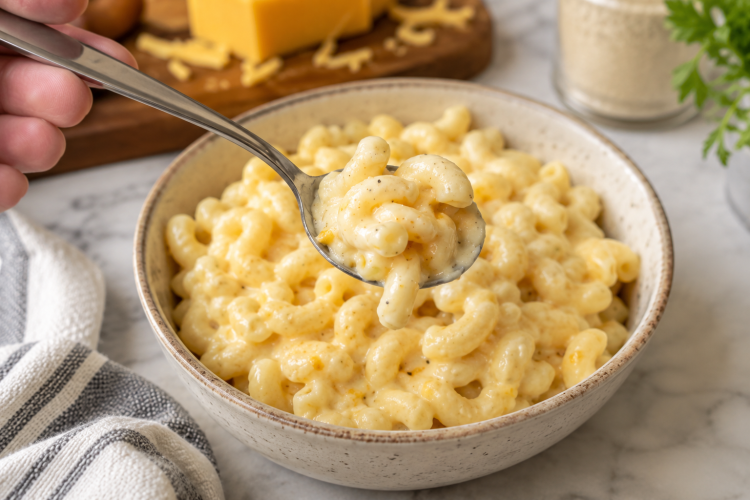
High protein mac and cheese is a delicious twist on the classic macaroni and cheese that combines tender pasta, a rich cheddar cheese sauce, and protein-rich ingredients in one satisfying meal. This recipe delivers the familiar comfort-food flavor many people love while providing an impressive 55 grams of protein per serving.
The sauce is exceptionally creamy, the seasonings add depth, and every bite offers a generous coating of smooth, cheesy goodness. Whether you need an easy family dinner, a filling lunch, or a protein-rich meal after a workout, this homemade macaroni and cheese is worth adding to your regular meal rotation.
Traditional macaroni and cheese is often prepared with butter, flour, milk, and cheese to create a thick sauce. While that combination tastes wonderful, this high protein version takes a different approach by using cottage cheese, high protein whole milk, and unflavored whey powder. These ingredients help increase the protein content while creating a smooth and flavorful sauce. Cornstarch provides additional thickening, while sharp cheddar cheese contributes the familiar savory taste that makes macaroni and cheese such a popular comfort food.
One of the best things about this recipe is that it does not sacrifice flavor for nutrition. The cottage cheese blends into the sauce, the cheddar provides a bold cheese flavor, and the milk gives the mixture a creamy consistency. Properly blending the ingredients creates a smooth sauce without noticeable cottage cheese curds or clumps of protein powder. The finished dish tastes like rich homemade macaroni and cheese rather than a meal designed exclusively around nutritional goals.
What Makes This High Protein Mac and Cheese Special?
The biggest difference between this recipe and ordinary stovetop mac and cheese is the combination of ingredients used to build the sauce. Instead of relying only on traditional dairy products, the recipe incorporates several protein-rich additions that work together to create a more substantial meal. Cottage cheese supplies protein and creaminess, high protein milk contributes additional dairy protein, and unflavored whey powder significantly increases the protein content without introducing an unwanted sweet flavor.
Sharp cheddar cheese remains an essential ingredient because it provides the recognizable taste associated with classic macaroni and cheese. Its rich, slightly tangy flavor balances the mildness of the cottage cheese and milk. Meanwhile, cornstarch helps the sauce thicken as it warms, allowing it to cling to the pasta instead of collecting at the bottom of the serving bowl. The combination produces a creamy texture that makes this dish appealing to both protein-conscious eaters and people who simply enjoy good comfort food.
Another advantage is the straightforward cooking method. The cheese sauce is blended separately before being heated, so there is no need to prepare a complicated roux or use several saucepans. Once the pasta is cooked, the blended sauce is warmed in the empty pasta pot until it becomes hot, bubbly, and slightly thickened. The cooked pasta is then combined with the sauce to create a complete dish with minimal cleanup.
Why Add More Protein to Macaroni and Cheese?
Protein plays several important roles in the body, including supporting muscle maintenance, tissue repair, and many normal biological functions. Including protein-rich ingredients in familiar meals can be a convenient way to increase daily protein intake without completely changing your eating habits. Instead of preparing an entirely separate high protein dish, you can upgrade a traditional favorite by choosing ingredients that naturally provide more protein.
This high protein macaroni and cheese can be especially appealing to people who enjoy strength training, active lifestyles, or filling meals that contain a substantial amount of protein. It can also be useful for households looking for practical ways to incorporate more protein into everyday cooking. Because the recipe combines pasta and dairy products, it provides carbohydrates, protein, fat, and several important minerals in one serving.
However, protein requirements vary from person to person depending on factors such as age, body size, activity level, and overall health. Although this recipe provides a substantial amount of protein, it should be considered one part of a balanced eating pattern rather than a complete nutritional plan by itself. Pairing it with vegetables, a fresh salad, or another fiber-rich side dish can help create a more varied and balanced meal.
The Best Ingredients for Creamy Protein Mac and Cheese
Bite-Sized Pasta
Pasta forms the foundation of this recipe, providing the familiar texture and hearty character expected from macaroni and cheese. One pound of bite-sized pasta is used, with elbow macaroni, cellentani, and cavatappi listed as suitable choices. These shapes are convenient to eat and provide plenty of surface area for holding the thick cheddar sauce. Elbow macaroni is the classic option, while twisted or curved varieties can capture sauce in their ridges and hollow centers.
Cook the pasta according to the package directions, checking the texture toward the end of the cooking time. The pasta should be tender but still hold its shape when mixed with the warm sauce. Overcooked pasta can become soft and break apart during stirring, especially when combined with a thick cheese mixture. Draining the pasta thoroughly also helps prevent excess cooking water from thinning the finished sauce.
Full-Fat Cottage Cheese
Cottage cheese is one of the main ingredients responsible for the increased protein content of this dish. It also adds moisture and a mild dairy flavor that works well with sharp cheddar. When blended thoroughly, the curds disappear into the mixture, creating a smooth base for the sauce. This is important because cottage cheese has a naturally uneven texture when used straight from the container.
Full-fat cottage cheese is recommended for the richest result. Its creamy consistency contributes to the overall mouthfeel of the sauce, helping the finished macaroni and cheese taste indulgent. Lower-fat cottage cheese can be used if preferred, but the flavor and consistency may be somewhat different. Blending remains essential regardless of the variety you choose.
Shredded Sharp Cheddar Cheese
Sharp cheddar provides the distinctive cheese flavor that makes this recipe recognizable as classic mac and cheese. Its bold taste complements the mild cottage cheese and gives the sauce a satisfying savory character. The recipe calls for three cups of shredded sharp cheddar cheese, providing plenty of cheesy flavor throughout the dish.
Shredding the cheese yourself is recommended rather than using pre-shredded cheese. Packaged shredded cheese often contains added ingredients intended to prevent the shreds from sticking together. These coatings can sometimes interfere with how smoothly cheese incorporates into a sauce. Freshly shredded cheddar generally blends more readily, making it a useful choice when a silky homemade cheese sauce is the goal.
High Protein Whole Milk
High protein whole milk contributes both liquid and additional protein to the sauce. The recipe specifies two cups of unflavored, unsweetened Fairlife High Protein Whole Milk. Its dairy flavor works naturally with cheddar cheese and cottage cheese, while its liquid consistency helps the blender process the ingredients into a smooth mixture.
Whole milk also contributes richness, which is important for a creamy macaroni and cheese sauce. Although lower-fat milk products may work, they can produce a less rich result. Using the specified milk keeps the recipe aligned with its intended flavor and nutritional profile. Always check the package label when purchasing a high protein milk, as protein content and nutritional values can vary between products.
Unflavored Whey Protein Powder
Unflavored whey protein powder is the ingredient that gives this macaroni and cheese a substantial protein boost. The recipe uses one cup, which is blended with the dairy ingredients before the sauce is heated. Whey is a milk-derived protein, and the unflavored variety is particularly suitable for savory recipes because it does not introduce the sweetness or flavorings commonly found in some protein supplements.
Choose an unflavored product rather than a vanilla, chocolate, or sweetened protein powder. Flavored varieties can change the taste of the finished sauce in ways that do not complement cheddar cheese. The powder must also be blended thoroughly with the other ingredients. Simply stirring it into the warm milk or finished sauce can leave dry pockets or stubborn clumps.
Cornstarch and Seasonings
Cornstarch helps give the cheese sauce its desired thickness. As the blended mixture heats, the cornstarch helps create a more substantial consistency, allowing the sauce to coat the pasta. This ingredient is especially useful because the recipe does not rely on a traditional flour-and-butter roux.
The seasonings are equally important. Kosher salt enhances the other ingredients, granulated garlic and granulated onion bring savory depth, and dried mustard powder adds a subtle sharpness that complements cheddar. Smoked paprika introduces a gentle smoky note, while ground or cracked black pepper provides mild warmth. Together, these seasonings help the sauce taste balanced and flavorful instead of relying on cheese alone.
How to Make High Protein Mac and Cheese
Step 1: Cook the Pasta
Bring a pot of water to a boil and cook one pound of bite-sized pasta according to the package instructions. Stir as needed to keep the pasta from sticking together, and check it near the end of the recommended cooking time. Once it reaches the desired tenderness, drain it thoroughly in a colander. Return the empty pot to the stove because you will use it to heat the cheese sauce.
Cooking the pasta separately allows you to control its texture before adding the sauce. It also prevents the protein-rich dairy mixture from being exposed to unnecessary cooking while the pasta softens. Keep the drained pasta ready for the final stage so that it can be combined with the sauce as soon as the mixture has thickened.
Step 2: Blend the Cheese Sauce Ingredients
Add the cottage cheese, shredded sharp cheddar, high protein whole milk, unflavored whey powder, cornstarch, kosher salt, granulated garlic, granulated onion, dried mustard powder, smoked paprika, and black pepper to a blender or food processor fitted with a metal blade. Process the mixture until it becomes smooth and evenly combined. Scrape down the sides if necessary so that no dry powder or cheese remains stuck to the container.
This blending step is essential to achieving the right texture. Cottage cheese contains small curds, while whey powder can absorb liquid and form clumps if it is not dispersed properly. A blender or food processor breaks down these ingredients and distributes them throughout the mixture. The result should be a uniform sauce that can be heated evenly without large lumps of cottage cheese or dry protein powder.
Step 3: Heat the Cheese Sauce Slowly
Pour the blended sauce into the empty pasta pot and place it over medium-low heat. Whisk frequently as the mixture warms, paying attention to the bottom and sides of the pot. Continue cooking for approximately eight to ten minutes, until the sauce is hot, bubbly, and slightly thickened. Avoid rushing this stage by turning the heat too high, as gentle heating makes it easier to control the consistency.
The sauce may look relatively thin at first, but it will gradually thicken as it heats. Frequent whisking helps distribute the heat and keeps the mixture moving while the cornstarch develops its thickening effect. Once the sauce is evenly heated and has reached a creamy consistency, it is ready to be combined with the cooked pasta.
Step 4: Combine the Pasta and Cheese Sauce
Add the drained pasta to the hot cheese sauce and stir until every piece is thoroughly coated. Work gently but thoroughly, making sure the sauce reaches the curves, ridges, and hollow centers of the pasta. The finished mixture should look creamy and glossy, with enough sauce to coat the pasta generously without leaving it swimming in liquid.
Allow the macaroni and cheese to sit briefly before serving. The sauce will thicken slightly as it rests, helping it cling more closely to the pasta. If the mixture becomes thicker than you prefer, remember that the consistency changes as it cools. Serve it while warm for the creamiest texture and most enjoyable cheese flavor.
Tips for the Creamiest High Protein Mac and Cheese
Blend the Ingredients Until Completely Smooth
The most important technique in this recipe is blending the sauce ingredients thoroughly before heating. Although it may seem quicker to combine everything directly in the pot, doing so can leave visible cottage cheese curds and pockets of dry whey powder. A blender or food processor creates a much more uniform mixture, giving the finished sauce a smooth, cohesive texture.
If you notice dry powder along the sides of the blender, stop and scrape the container before processing again. The mixture should look evenly blended before it goes into the saucepan. Taking a little extra time at this stage helps prevent texture problems later and makes the sauce easier to whisk as it heats.
Use Unflavored Whey Powder
Not all protein powders are appropriate for savory cooking. Vanilla, chocolate, and sweetened varieties are designed for different uses and can introduce flavors that clash with cheddar cheese and garlic. An unflavored whey powder is the better choice for this recipe because it allows the cheese and seasonings to remain the dominant flavors.
If you do not have whey powder, you can leave it out, but the finished recipe will no longer provide the same protein content. The sauce may also have a different consistency and richness. Because removing an ingredient changes the recipe, the original nutritional estimate should not be used for a version prepared without the powder.
Choose Whole-Milk Dairy Products
Full-fat cottage cheese and high protein whole milk contribute to the rich texture of the sauce. Lower-fat products may be suitable for personal dietary preferences, but they can produce a thinner or less satisfying result. If you want the recipe to resemble traditional creamy macaroni and cheese as closely as possible, use the specified dairy ingredients.
Freshly shredded sharp cheddar is another important choice. It provides a strong cheese flavor and tends to blend more smoothly than packaged shreds. These small ingredient decisions help the sauce achieve the creamy, cheesy consistency that makes this dish different from ordinary protein-enriched pasta.
Keep the Heat Moderate
A gentle cooking temperature gives the sauce time to warm and thicken without scorching. Stirring or whisking frequently is particularly helpful because the mixture contains dairy ingredients and protein powder. If the sauce begins bubbling vigorously or sticking to the bottom, reduce the heat and continue stirring until it is evenly hot.
Avoid leaving the sauce unattended for long periods. The goal is to heat it gradually until it is bubbly and slightly thickened, not to boil it aggressively. Once the pasta is incorporated, serve the dish promptly for the best texture.
Serving Ideas for Protein Mac and Cheese
High protein mac and cheese can be served as a satisfying main course or as part of a larger meal. Its creamy sauce and substantial protein content make it filling on its own, but a vegetable side dish can add freshness and variety. Steamed broccoli, roasted green beans, a simple garden salad, or lightly seasoned carrots all provide a pleasant contrast to the rich cheddar sauce.
For lunch, serve a bowl alongside fresh vegetables or a crisp salad. For dinner, pair it with roasted vegetables and a simple side salad to create a more balanced plate. The pasta also works well as a comforting family meal when everyone wants something familiar but with a little extra protein. Because the recipe contains dairy and wheat-based pasta unless a suitable alternative is used, consider household dietary needs when planning the rest of the meal.
Portion size is worth considering, too. The supplied nutritional information lists 834 calories and 55 grams of protein per serving. This makes it a substantial dish rather than a light side. People who prefer smaller meals may choose a smaller portion and complement it with vegetables, while those with higher energy needs may enjoy it as a more filling main course.
Storing and Reheating Leftover Mac and Cheese
Refrigeration
Allow leftover macaroni and cheese to cool slightly before transferring it to a clean, airtight container. Refrigerate it promptly rather than leaving it at room temperature for an extended period. For food safety, refrigerate cooked leftovers within two hours, or within one hour when the surrounding temperature is above 90°F (32°C). Proper refrigeration helps preserve the dish and makes leftovers convenient for another meal.
The sauce may become thicker after refrigeration because the pasta continues absorbing moisture as it sits. This is normal for many homemade macaroni and cheese recipes, particularly those made with a thick, protein-rich sauce. Store leftovers in individual portions if you want convenient servings for lunch or dinner.
Reheating
Reheat leftovers gently in a saucepan over low heat, stirring frequently until evenly hot. If the sauce has become too thick, a small splash of milk can help loosen it and restore some creaminess. Add liquid gradually rather than pouring in a large amount at once, as the ideal consistency depends on how much moisture the pasta has absorbed.
You can also reheat an individual portion in the microwave using short intervals, stirring between each interval to distribute the heat. Continue until the food is steaming hot throughout. Avoid excessive heating, which can dry out the pasta and make the sauce less smooth. Refrigerated leftovers should generally be used within three to four days.
Frequently Asked Questions
Can You Taste the Cottage Cheese in High Protein Mac and Cheese?
When the ingredients are blended thoroughly, the cottage cheese should not leave noticeable curds or dominate the flavor. Its mild dairy taste blends with the sharp cheddar, garlic, onion, and mustard powder. The result is a creamy cheese sauce that retains the familiar character of macaroni and cheese. Using a blender or food processor is the key to achieving this smooth texture.
Why Is My Cheese Sauce Lumpy?
Lumps can develop if the whey powder or cottage cheese is not blended thoroughly before heating. Adding the ingredients directly to the pot without processing them may leave small curds and dry pockets in the sauce. To prevent this, blend all the sauce ingredients until smooth, then heat the mixture gradually while whisking frequently.
Can I Use a Different Type of Pasta?
Yes. The recipe lists elbow macaroni, cellentani, and cavatappi as suitable bite-sized options. Other pasta shapes may also work if they can hold the sauce well, but changing the pasta can affect cooking time and the amount of sauce that clings to each piece. Follow the package instructions for whichever variety you choose.
Can I Leave Out the Whey Protein Powder?
Yes, the whey powder can be omitted if it is unavailable or unsuitable for your needs. However, the dish will contain less protein, and the sauce may not have quite the same richness or consistency. The provided nutritional information applies to the recipe made with the listed ingredients, including the full cup of whey powder.
Why Is My Sauce Too Thin?
The sauce may need additional heating time to reach the intended consistency. Continue cooking it over medium-low heat while whisking frequently until it becomes hot, bubbly, and slightly thickened. Remember that the sauce will thicken a little more as the pasta sits. Avoid increasing the heat too aggressively, as this can make the mixture harder to control.
Can I Make This Recipe Ahead of Time?
For the best texture, this recipe is most enjoyable when the sauce is prepared, heated, and combined with the pasta shortly before serving. You can prepare the ingredients in advance and measure out the seasonings to make cooking easier. If you prepare the entire dish ahead, refrigerate it safely and reheat it gently with a little milk if needed to restore the creamy consistency.
Is High Protein Mac and Cheese Healthy?
This recipe provides 55 grams of protein per listed serving, along with carbohydrates, fat, and calcium. Whether it fits your nutritional goals depends on your individual needs and portion size. It is also relatively calorie-dense and contains 1,483 milligrams of sodium per serving according to the supplied nutrition information. Adding vegetables and considering your overall daily intake can help you fit it into a balanced eating pattern.
Notes for the Best Results
- Use unflavored whey protein powder to preserve the savory cheese flavor.
- Blend all sauce ingredients thoroughly before heating to avoid lumps.
- Freshly shred the sharp cheddar rather than using pre-shredded cheese.
- Use full-fat cottage cheese and high protein whole milk for the richest texture.
- Heat the sauce over medium-low heat and whisk frequently.
- Allow the finished dish to rest briefly so the sauce can thicken around the pasta.
- If reheating leftovers, add a little milk as needed to loosen the sauce.
- Nutritional values are estimates supplied for the recipe as written and may vary by brand, serving size, and ingredient substitutions.
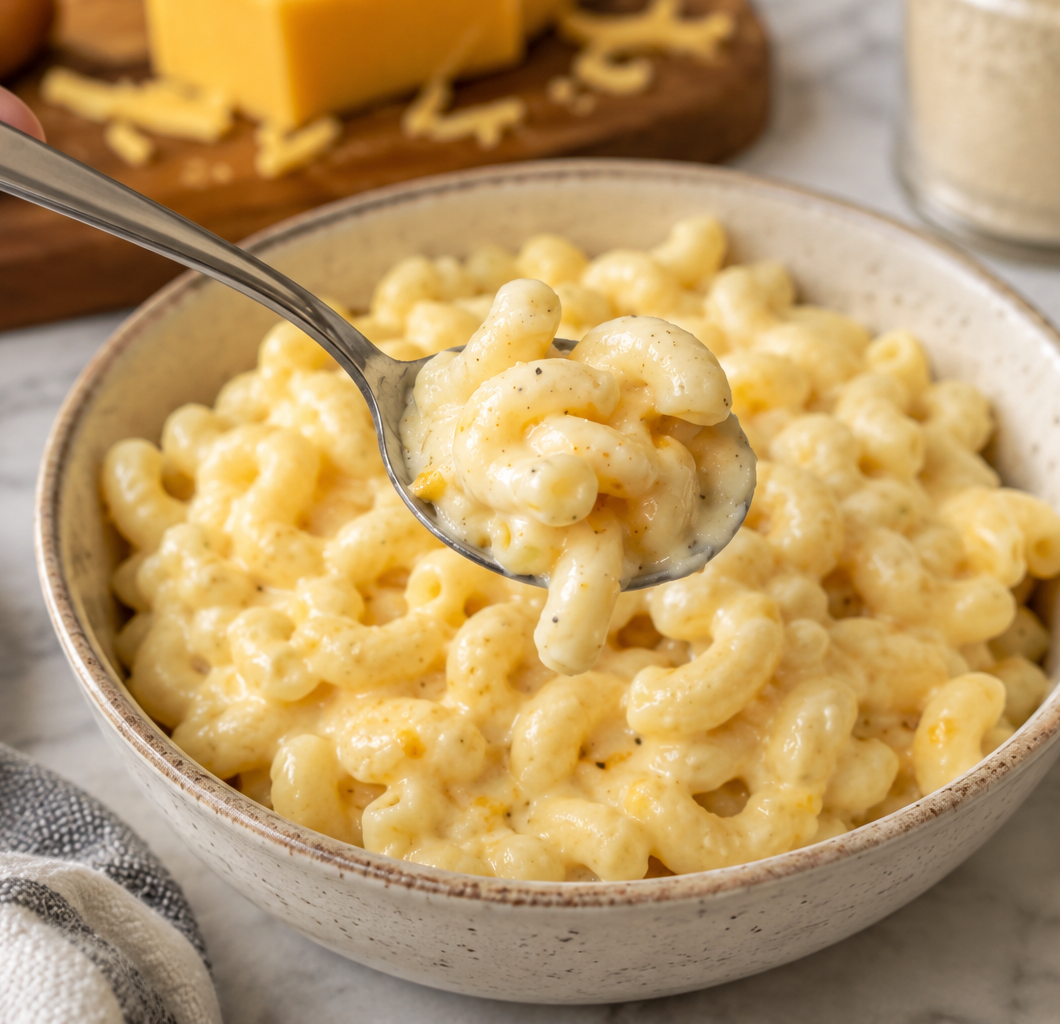
High Protein Mac and Cheese
Creamy stovetop macaroni and cheese with cottage cheese, sharp cheddar, high protein milk, and unflavored whey powder.
10
minutes20
minutes834
kcal30
minutesIngredients
1 pound bite-sized pasta (elbow macaroni, cellentani, or cavatappi)
2 cups full-fat cottage cheese
3 cups shredded sharp cheddar cheese (do not use pre-shredded cheese)
2 cups Fairlife High Protein Whole Milk, unflavored and unsweetened
1 cup unflavored whey powder
2 tablespoons cornstarch
1 1/2 teaspoons kosher salt
1 teaspoon granulated garlic
1 teaspoon granulated onion
1 teaspoon dried mustard powder
2/3 teaspoon smoked paprika
1/2 teaspoon ground or cracked black pepper
Directions
- Cook the pasta. Prepare the pasta according to the package directions. Drain it thoroughly in a colander and set it aside. Return the empty pot to the stove for preparing the sauce.
- Combine the sauce ingredients. Place the cottage cheese, shredded cheddar, high protein milk, unflavored whey powder, cornstarch, kosher salt, granulated garlic, granulated onion, dried mustard powder, smoked paprika, and black pepper into a blender or food processor fitted with a metal blade.
- Blend until smooth. Process the mixture until all the ingredients are evenly combined and no noticeable cottage cheese curds or dry protein powder remain.
- Heat the sauce. Pour the blended mixture into the empty pasta pot. Set the pot over medium-low heat and whisk frequently for 8–10 minutes, until the sauce is bubbly, hot throughout, and slightly thickened.
- Add the pasta. Return the cooked pasta to the pot and stir until every piece is coated in the creamy cheese sauce.
- Allow the sauce to settle. Let the macaroni and cheese rest briefly so the sauce can thicken slightly. Serve warm for the best creamy texture.
Notes
- Blend the sauce ingredients rather than mixing them by hand to help prevent clumps.
- Freshly shredded cheddar is recommended for a smoother sauce.
- Do not use flavored or sweetened protein powder.
- Heat gently and whisk frequently to prevent the sauce from sticking.
- Refrigerate leftovers promptly in an airtight container and use within three to four days.
- Reheat gently, adding a small amount of milk if the sauce has thickened too much.
Nutrition Facts
4 servings per container
- Amount Per ServingCalories834
- % Daily Value *
- Total Fat
32g
42%
- Total Carbohydrate
80g
30%
- Total Sugars 7g
- Protein 55g 111%
* The % Daily Value tells you how much a nutrient in a serving of food contributes to a daily diet. 2,000 calories a day is used for general nutrition advice.