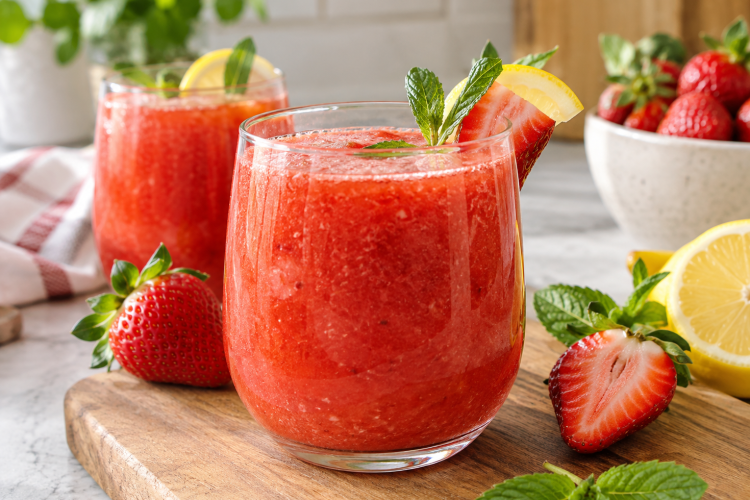
Fresh strawberry juice is a refreshing homemade fruit drink that brings together the natural sweetness of ripe strawberries, the bright flavor of fresh lemon juice, and the clean taste of chilled water. This easy strawberry juice recipe is perfect for warm afternoons, breakfast tables, family gatherings, or whenever you want a fruity drink without relying on store-bought beverages. With only a few simple ingredients and about 10 minutes of preparation, you can make a delicious drink that tastes fresh, vibrant, and naturally fruity.
One of the best things about making strawberry juice at home is that you have complete control over the ingredients. The basic recipe does not require added sugar because ripe strawberries already provide natural sweetness. A little lemon juice balances the fruit’s flavor, while cold water helps create a smooth, drinkable consistency. Served over ice, this homemade strawberry drink is light, colorful, and easy to enjoy throughout the day.
Strawberries are also a source of vitamin C, fiber, and beneficial plant compounds. These nutrients make fresh strawberries a useful addition to a balanced diet. Although this drink should not be considered a medical treatment or a special detox remedy, it offers a simple way to enjoy the flavor and nutrients of fresh fruit. Whether you call it fresh strawberry juice, a strawberry wellness drink, or a refreshing strawberry beverage, this recipe is easy to prepare with everyday kitchen equipment.
Why You Will Love This Fresh Strawberry Juice Recipe
There are plenty of reasons to make fresh strawberry juice at home instead of purchasing a packaged fruit drink. First, the recipe uses familiar ingredients that are easy to find at grocery stores and local markets. Fresh strawberries provide the main flavor, lemon juice adds a pleasant tang, and water helps everything blend smoothly. You do not need special equipment beyond a blender and, if you prefer a pulp-free drink, a fine-mesh strainer.
Another advantage is how quickly this recipe comes together. Washing, trimming, cutting, blending, and serving the strawberries takes approximately 10 minutes. There is no cooking, simmering, or complicated preparation involved. This makes the drink suitable for busy mornings when you want something refreshing without spending a long time in the kitchen. It is also convenient to prepare when unexpected guests arrive or when you need a colorful nonalcoholic drink for a casual meal.
The recipe is naturally free from added refined sugar when prepared as written. Its sweetness depends mainly on the ripeness and quality of the strawberries you use. This makes it especially appealing to people who prefer simple homemade drinks with recognizable ingredients. You can also adjust the amount of water, decide whether to strain the juice, and serve it with as much ice as you like.
What Makes Strawberries a Good Choice for a Wellness Drink?
Strawberries are popular for their sweet aroma, bright red color, and juicy texture. They contain vitamin C, which supports normal immune function and collagen formation, as well as plant compounds such as anthocyanins that contribute to their red color. Including strawberries in your regular diet can help add variety to your fruit intake while providing useful nutrients in a naturally sweet package.
The nutritional value of your finished strawberry juice depends partly on how you prepare it. Blending strawberries and drinking the mixture without straining retains more of the fruit’s fiber than removing the pulp. Straining can create a smoother, lighter texture, but some fiber and fruit solids remain behind. If retaining fiber is important to you, consider leaving the juice unstrained or using the leftover pulp in another recipe.
Lemon juice contributes a fresh citrus flavor that helps balance the sweetness of the berries. It also contains vitamin C, although the quantity used in this recipe is relatively small. Cold water dilutes the concentrated fruit mixture into a refreshing drink, while ice makes it especially enjoyable in hot weather. Together, these ingredients create a simple strawberry beverage that fits easily into an everyday eating routine without requiring special powders, supplements, or expensive products.
Three Delicious Strawberry Juice Variations
The original strawberry juice recipe is delicious on its own, but the ingredients can also serve as a starting point for other refreshing fruit drinks. These variations introduce different flavors while keeping the preparation straightforward. If you enjoy experimenting with homemade beverages, try one of the following combinations when you want something different. Remember that any optional additions will change the flavor and nutritional content of the original recipe.
Strawberry Lemonade
For a tangier drink, turn the basic strawberry juice into a strawberry lemonade blend. Add a quarter cup of freshly squeezed lemon juice and one tablespoon of maple syrup to the blender along with the prepared strawberries. Blend until smooth, then taste and adjust the flavor to your preference. The extra lemon creates a sharper citrus taste, while maple syrup provides additional sweetness. This version is a good choice for summer lunches, picnics, and family gatherings, and it can also be poured into popsicle molds for a frozen treat.
Tropical Strawberry Juice
For a tropical-inspired variation, replace the chilled water with half a cup of coconut water and use lime juice instead of lemon juice. Blend everything with the prepared strawberries until smooth, adding a few pieces of pineapple if you want an extra fruity flavor. Coconut water brings a subtly different taste, while lime adds a lively citrus note. Serve this version cold in tall glasses for a refreshing afternoon drink. If you add pineapple or other fruit, remember that the flavor and sweetness will differ from those of the original recipe.
Strawberry, Mint, and Watermelon Juice
Watermelon and strawberries work well together because both fruits have a juicy texture and naturally sweet flavor. To prepare this variation, blend two cups of fresh, seeded watermelon with the strawberries and a few mint leaves, reducing the water to just two or three tablespoons. Add the mint gradually so its flavor does not overpower the fruit. Frozen watermelon cubes can be used instead of fresh watermelon when you want a colder, slushier consistency. This combination is especially suitable for hot days when a light, fruit-based drink sounds appealing.
How to Store Fresh Strawberry Juice
Refrigerating Leftovers
Fresh strawberry juice is best enjoyed immediately after preparation, when its flavor and texture are at their freshest. If you have leftovers, transfer them to a clean, airtight container or covered mason jar and refrigerate promptly. The supplied recipe suggests keeping the juice for up to three days, but freshness and food safety depend on how quickly it is chilled, the cleanliness of the equipment, and the temperature of the refrigerator. For the best quality, aim to consume it as soon as possible and discard it if it develops an unusual smell, appearance, or texture.
Freezing Strawberry Juice
Freezing is a convenient way to preserve extra strawberry juice when you cannot finish the entire batch. Pour the juice into clean ice cube trays, leaving a little room for expansion, and freeze until solid. Transfer the cubes to a labeled freezer-safe bag or airtight container to help protect them from freezer odors. You can add the frozen cubes to smoothies, lemonade, iced tea, or sparkling water for a fruity flavor. Thawed juice may separate slightly, so stir it well before serving.
Does Strawberry Juice Need Reheating?
No, strawberry juice is intended to be served cold, so reheating is unnecessary. Warming it can change the fresh fruit flavor and is not part of this recipe’s preparation method. If the juice has been refrigerated, stir it and pour it into chilled glasses or serve it over fresh ice. If you have frozen portions, thaw them safely in the refrigerator or add the frozen cubes directly to another cold beverage rather than heating the juice.
Frequently Asked Questions About Strawberry Juice
Can I Make Strawberry Juice With Frozen Strawberries?
Yes, frozen strawberries can be used when fresh berries are unavailable or out of season. For a juice with a smoother consistency, thaw the berries in the refrigerator or according to the package directions before blending. Frozen fruit can release extra liquid as it thaws, so check the texture before adding more water. If the finished mixture feels grainy, strain it through a fine-mesh strainer or clean cheesecloth. Always use frozen strawberries that have been stored and handled properly.
How Long Can Fresh Strawberry Juice Sit at Room Temperature?
As a general food-safety guideline, perishable fresh fruit juice should not remain at room temperature for more than two hours, or more than one hour when the surrounding temperature exceeds 90°F (32°C). Warm conditions allow bacteria to multiply more quickly, so prompt refrigeration is important. If you are serving strawberry juice outdoors, keep it in a covered container placed in an ice-filled cooler or insulated serving vessel. Discard juice that has been left out beyond the recommended time instead of returning it to the refrigerator for later use.
How Can I Make Strawberry Juice Thicker?
To make thicker strawberry juice, reduce the amount of water added during blending. Start with the recipe’s specified amount only if you want the standard consistency, or use less water when deliberately aiming for a concentrated mixture. Blend the berries thoroughly and check the texture before making adjustments. If you have already added too much water, blend in a few more strawberries until the drink thickens. Remember that straining also changes the texture, so leave the juice unstrained if you prefer a fuller, pulp-rich drink.
Is Homemade Strawberry Juice Sugar-Free?
The original recipe contains no added sugar, but that does not mean it is completely free of sugar. Strawberries naturally contain sugars, and the finished beverage retains some of those sugars whether or not you strain it. If you add maple syrup, honey, dates, or another sweetener, the total sugar content will increase. For anyone monitoring sugar intake, the amount consumed and whether the juice is strained are useful considerations. The nutrition information should be treated as an estimate rather than a guarantee for every batch.
Can I Make Strawberry Juice Without a High-Speed Blender?
Yes, a standard household blender can usually make this recipe successfully. Cut the strawberries into smaller pieces before adding them, and blend in batches if your machine has a small container. Allow the mixture to blend until the fruit is broken down, pausing to scrape down the sides if necessary. If your blender leaves small pieces or seeds behind, strain the juice before serving. The final texture may vary depending on the power of the blender and the ripeness of the berries, but specialized equipment is not essential.
Should I Strain Strawberry Juice Every Time?
No, straining is a personal choice. A fine-mesh strainer removes many seeds and larger pieces of pulp, giving the juice a smoother finish. Leaving the mixture unstrained provides a thicker texture and retains more of the fruit’s fiber. If you are unsure which version you prefer, divide a small batch into two glasses and compare them. You can then decide whether a smooth, juice-like consistency or a more substantial blended fruit drink works better for your household.
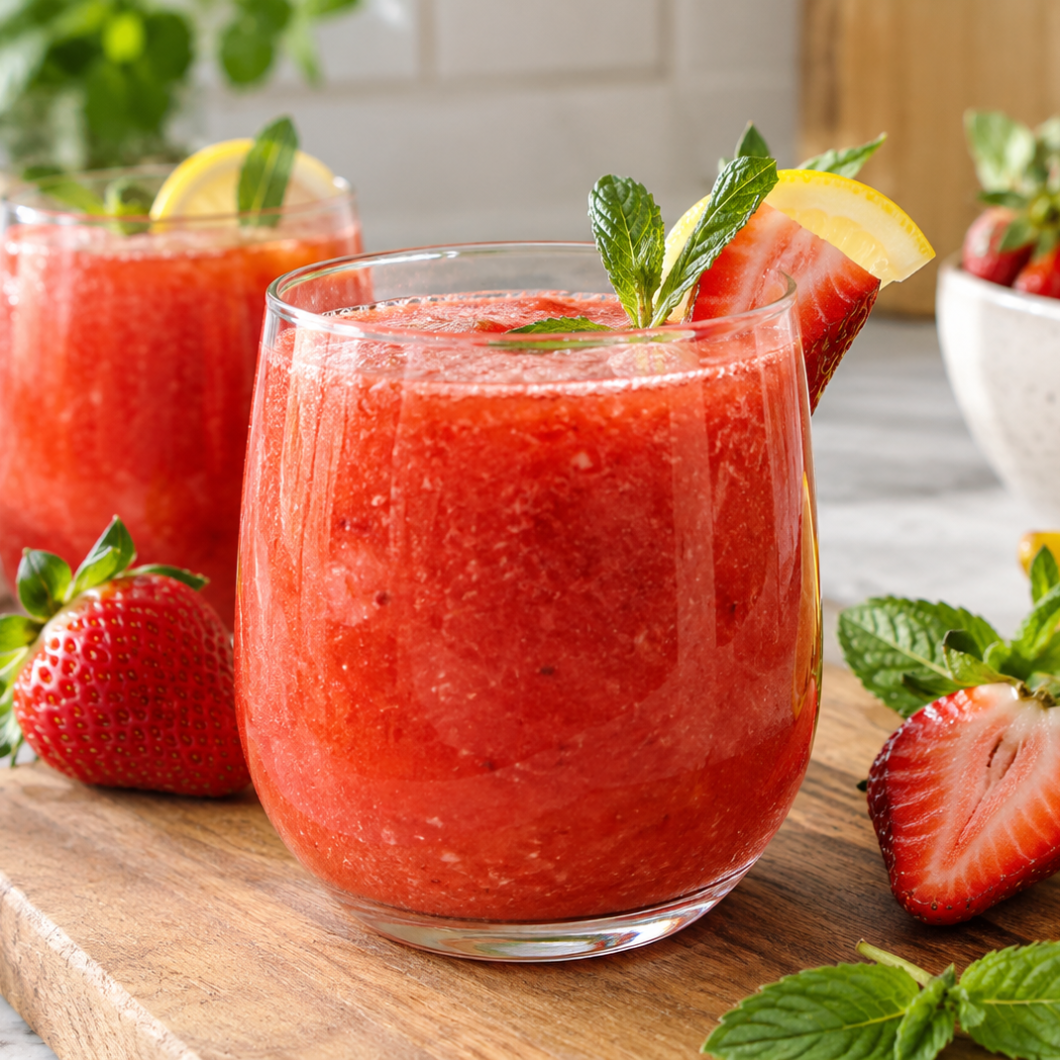
Healthy Strawberry Wellness Drink – Refreshing Antioxidant Smoothie for Everyday Wellness
A refreshing homemade strawberry juice made with ripe strawberries, fresh lemon juice, chilled water, and ice. This naturally sweet fruit drink is easy to prepare in just 10 minutes and contains no added sugar in its original form.
4
servings10
minutes73
kcal10
minutesIngredients
2 pounds fresh strawberries
1 tbsp lemon juice
½ cup chilled water
Ice cubes
Directions
- Prepare the strawberries
Remove the green stems, wash the strawberries under cool running water, and cut them into smaller pieces. - Blend the ingredients
Add the diced strawberries, lemon juice, and chilled water to a high-speed blender. Blend until the mixture is completely smooth. - Adjust the consistency
Check the thickness of the juice. Add a little more cold water if needed, then blend briefly to combine. - Strain the juice
Pour the mixture through a fine-mesh strainer or nut milk bag to remove the seeds and excess pulp, if desired. - Serve immediately
Fill serving glasses with ice cubes, pour in the fresh strawberry juice, and serve while cold.
Notes
- Choose ripe strawberries: Deep-red, fragrant strawberries provide the best natural sweetness and flavor.
- Save the pulp: Use leftover strawberry pulp in smoothies or other suitable fruit recipes.
- Chill the glasses: Refrigerate your serving glasses briefly before pouring for an extra-cold drink.
- Adjust sweetness if needed: Optional maple syrup, honey, or softened dates can be added to taste. These additions are not part of the original ingredient list.
- Straining is optional: Leave the juice unstrained if you prefer a thicker texture with more fruit pulp.
- Refrigeration: Store leftovers in a clean, airtight container in the refrigerator and consume promptly. The original recipe suggests up to three days, but freshness and safe storage conditions matter.
- Freezing: Freeze extra juice in ice cube trays, then transfer the cubes to a freezer-safe container for use in smoothies or cold beverages.
- Room-temperature safety: Do not leave fresh strawberry juice out for more than two hours, or one hour when temperatures exceed 90°F (32°C).
- Frozen strawberries: Thaw them before blending for a smoother result, and strain if needed.
Nutrition Facts
4 servings per container
- Amount Per ServingCalories73
- % Daily Value *
- Total Fat
1g
2%
- Total Carbohydrate
18g
7%
- Total Sugars 11g
- Protein 2g 4%
* The % Daily Value tells you how much a nutrient in a serving of food contributes to a daily diet. 2,000 calories a day is used for general nutrition advice.