
One Pot Vegan Cabbage Roll Soup brings the familiar comfort of cabbage rolls to the table without the time needed to prepare and roll individual cabbage leaves. This easy vegan soup combines plant-based ground beef, green cabbage, rice, tomatoes, onion, garlic, and vegetable broth in one pot.
The result is a warm, filling meal with a savory tomato base and tender vegetables. It is especially useful for busy weeknights when you want a simple plant-based dinner with straightforward preparation.
Why Make Vegan Cabbage Roll Soup?
Traditional cabbage rolls can require several separate preparation steps, but this one pot cabbage roll soup keeps the process much easier. The cabbage is chopped rather than wrapped, and the rice cooks directly in the soup.
Plant-based ground beef adds a hearty texture while keeping the recipe vegan. Since the ingredients cook together, there is less cookware to clean afterward. The combination of cabbage, rice, tomato sauce, and savory seasonings creates a satisfying bowl that works well as a main course.
A Simple Plant-Based Dinner
This vegan cabbage soup uses familiar ingredients that are easy to prepare. Yellow onion and garlic create the base, while olive oil helps soften the aromatics. Plant-based ground beef provides the main protein-rich component, and green cabbage adds texture and bulk.
Fire roasted diced tomatoes and tomato sauce give the broth its rich tomato flavor. Vegetable broth provides the liquid needed for cooking the rice and cabbage. Maple syrup is optional and adds a small amount of sweetness to balance the tomato flavor.
Starting With Onion and Garlic
The first stage of the recipe focuses on building a simple base with onion, garlic, olive oil, and salt. The chopped yellow onion is cooked in two tablespoons of olive oil over medium heat. Minced garlic and one teaspoon of salt are added at the same time. Stirring occasionally allows the onion to soften gradually until it becomes translucent. This step creates a flavorful foundation before the plant-based meat and vegetables are added. Cooking the onion properly also helps the finished soup taste more balanced.
Preparing the Green Cabbage
While the onion cooks, the green cabbage can be chopped into medium-sized pieces. Washing the cabbage before adding it to the pot helps remove any dirt or residue from the outer leaves. Medium pieces work well because they are large enough to maintain some texture while becoming tender during the simmering stage. About four cups of chopped green cabbage are used in the recipe. The cabbage is added after the plant-based ground beef has been cooked with the onion mixture.
Cooking the Plant-Based Ground Beef
The plant-based ground beef is cooked in the same pot as the softened onion and garlic. The recipe uses ten ounces of plant-based ground beef, which provides a hearty texture throughout the soup. Follow the package directions for cooking the particular product being used, since plant-based ground beef products can vary. Stir the mixture frequently as it cooks so the ingredients combine evenly. Fresh parsley is then added, allowing its flavor to blend into the mixture before the vegetables and tomatoes are introduced.
Adding Fresh Parsley
Fresh parsley is used in the soup and can also be added as a garnish when serving. One tablespoon of chopped parsley is included in the main cooking process. Adding the herb before the broth goes in allows it to mix with the plant-based beef and vegetables. Extra parsley can be sprinkled over individual bowls at the end. This simple garnish adds a fresh green color to the finished soup and provides a light herbal note that works well with the tomato-based broth.
Combining Cabbage and Tomatoes
Once the plant-based ground beef mixture has cooked, chopped cabbage and fire roasted diced tomatoes are added. The recipe uses one 14.5-ounce can of fire roasted diced tomatoes. Stir the cabbage and tomatoes into the pot and let them cook for approximately five minutes. This short cooking period begins softening the cabbage and allows the tomato flavor to mix with the onion, garlic, and plant-based beef. Stirring occasionally during this stage helps distribute the ingredients evenly.
Building the Tomato Broth
The main liquid is created by adding tomato sauce and vegetable broth to the pot. One 25-ounce jar of tomato sauce is used, with marinara sauce specified in the original recipe. Thirty-two ounces of vegetable broth are also added. Together, these ingredients create the savory tomato broth that carries the cabbage, rice, and plant-based beef. The remaining salt, ground pepper, bay leaf, and optional maple syrup are added at this stage. Stir everything thoroughly before covering the pot.
The Purpose of Maple Syrup
Maple syrup is an optional ingredient in this recipe. Only one-half tablespoon is used, so it is not intended to make the soup noticeably sweet. Instead, it can provide a small amount of sweetness to balance the acidity and savory character of the tomato ingredients. If you prefer to keep the soup less sweet or do not have maple syrup available, the ingredient is specifically listed as optional. Keeping it optional also makes the recipe easier to adapt to different tastes.
Using Fire Roasted Tomatoes
Fire roasted diced tomatoes give the soup a slightly deeper tomato character while adding pieces of tomato throughout the broth. They are used together with the jarred tomato sauce rather than as a replacement for it. The combination creates a broth with both smooth tomato sauce and small tomato pieces. When cooked with cabbage and plant-based ground beef, the tomatoes help give the soup its familiar cabbage roll flavor while keeping the preparation simple and suitable for a one pot meal.
Adding Vegetable Broth
Vegetable broth is essential because it provides the liquid in which the cabbage and rice cook. The recipe uses 32 ounces, giving enough liquid for the uncooked rice to absorb as it softens. Adding the broth after the tomato sauce also makes it easier to stir all the ingredients together before simmering. The broth becomes infused with the flavors of onion, garlic, tomatoes, cabbage, herbs, and plant-based beef. This creates a flavorful base without requiring a separate stock or sauce.
Seasoning the Soup
The recipe uses three teaspoons of salt divided throughout the cooking process, along with one-quarter teaspoon of ground pepper. The first teaspoon of salt is used with the onion and garlic, while the remaining salt is added later with the broth and tomato ingredients. Because vegetable broth and tomato sauce can have different sodium levels, tasting the soup toward the end can help determine whether additional seasoning is necessary. The original ingredient list also allows more salt to be added to taste.
Adding the Bay Leaf
One bay leaf is included while the soup simmers. It provides a subtle background flavor without needing additional complicated seasonings. The bay leaf should remain in the pot during cooking and be removed before serving if possible. Because it is not meant to be eaten, remember to check the pot before ladling the soup into bowls. Keeping the seasoning simple allows the cabbage, tomatoes, plant-based beef, and rice to remain the main flavors of this easy vegan cabbage roll soup.
Bringing the Soup to a Boil
After all the broth ingredients have been added, cover the pot and bring the mixture to a boil. This raises the temperature enough to begin cooking the rice and vegetables efficiently. Once the soup reaches a boil, the heat is reduced to low. The uncooked rice is then stirred into the pot before the soup is covered again. Moving from a boil to low heat is important because the rice needs steady cooking rather than aggressive boiling for the remainder of the recipe.
Cooking the Rice in the Soup
One cup of uncooked rice is added after the soup reaches a boil and the heat has been lowered. Cooking the rice directly in the broth keeps the recipe convenient because there is no need to prepare rice separately. As the rice cooks, it absorbs some of the tomato and vegetable broth and becomes tender. The soup should be stirred a few times during cooking to help prevent the rice from sticking to the bottom. The original cooking time for this stage is approximately 25 to 30 minutes.
Checking the Cabbage and Rice
The soup is ready when the cabbage has become soft and the rice is fully cooked. Since rice varieties and cooking equipment can differ, checking the texture near the end of the stated cooking time is useful. The cabbage should be tender enough to eat comfortably without becoming completely mushy. The rice should be cooked through and evenly distributed throughout the soup. If the rice still needs more time, continue cooking until it reaches the desired texture while keeping the heat low.
Stirring During Cooking
Stirring the soup several times while the rice cooks is an important practical step. Rice can settle toward the bottom of the pot and stick if it is left completely undisturbed. A few gentle stirs help distribute the rice through the broth and allow the ingredients to cook more evenly. Avoid stirring too aggressively because the cabbage becomes softer as it cooks. A large spoon or ladle works well for moving the ingredients from the bottom of the pot without breaking them apart.
Serving Vegan Cabbage Roll Soup
Once the rice is cooked and the cabbage is tender, the soup can be served immediately. Ladle it into bowls and add fresh parsley on top if desired. The tomato-based broth, soft cabbage, rice, and plant-based ground beef make the soup filling enough to enjoy as a main meal. Since the recipe is designed as a one pot soup, it does not require complicated side dishes. A simple piece of bread or a light salad can be added if you want something alongside the soup.
A Good Weeknight Soup
With a preparation time of five minutes and a listed cooking time of 40 minutes, this vegan cabbage roll soup can fit into a busy evening. Most of the work involves chopping the onion and cabbage and adding ingredients at the appropriate stages. Once the soup is simmering, it needs only occasional attention. The one pot method also keeps cleanup relatively simple. This makes the recipe useful for anyone looking for an easy vegan dinner that can be prepared without complicated cooking techniques.
How to Store Leftovers
Leftover cabbage roll soup can be stored for another meal, but the rice will continue absorbing the broth as it sits. This means the soup may become noticeably thicker after refrigeration. When reheating, add a little water if you want to return the soup to a more liquid consistency. Stir while reheating so the rice and vegetables warm evenly. Store leftovers appropriately in a covered container and check the soup before reheating. The original notes specifically mention adding water before reheating if the rice has absorbed too much broth.
Adjusting the Soup After Storage
The texture of leftover soup can differ from freshly cooked soup because rice continues to absorb liquid after cooking. If the next-day soup looks thick, add a small amount of water and stir. Warm it gradually until the desired consistency returns. Adding liquid little by little gives you better control than adding a large amount at once. The tomato flavor should remain present because the additional water mainly loosens the broth. This simple adjustment makes the soup easier to enjoy as leftovers without changing the original recipe.
Keeping the Recipe Vegan
The ingredients provided for this recipe are designed around a plant-based meal. Plant-based ground beef replaces conventional ground beef, while vegetable broth provides the liquid base. When selecting packaged ingredients such as plant-based meat, tomato sauce, or vegetable broth, checking the product label can help ensure that the specific products you choose meet your dietary requirements. The recipe itself combines these ingredients with vegetables, rice, herbs, and seasonings to create a filling vegan soup in one pot.
Choosing Your Tomato Sauce
The original recipe specifies a 25-ounce jar of tomato sauce and notes that marinara sauce was used. Tomato sauce forms a large part of the finished broth, so the flavor of the sauce will influence the overall taste. If using marinara, choose one whose seasoning fits your preference. Since the recipe already includes garlic, parsley, pepper, and bay leaf, a very strongly seasoned sauce may create a different balance. Keeping the chosen tomato sauce relatively straightforward allows the other ingredients to remain noticeable.
A Flexible Natural Flavor Profile
The soup has a simple savory flavor built from onion, garlic, cabbage, tomatoes, vegetable broth, parsley, pepper, and bay leaf. The plant-based ground beef adds a hearty element, while rice gives the broth more body. Maple syrup can provide a slight sweet balance to the tomato ingredients. Nothing in the recipe requires a complicated spice mixture. This makes the soup approachable for cooks who prefer familiar flavors and want a plant-based dinner that does not depend on a long list of seasonings.
Notes for Better Results
Chop the cabbage into medium pieces so it cooks evenly. Stir the rice several times while the soup cooks to reduce the chance of sticking. Keep the heat low after the soup reaches a boil so the rice can cook steadily. Check the rice and cabbage before turning off the heat. If storing leftovers, remember that the rice will absorb additional broth, so add water during reheating when needed. These simple points help maintain the intended texture while keeping the cooking process straightforward.
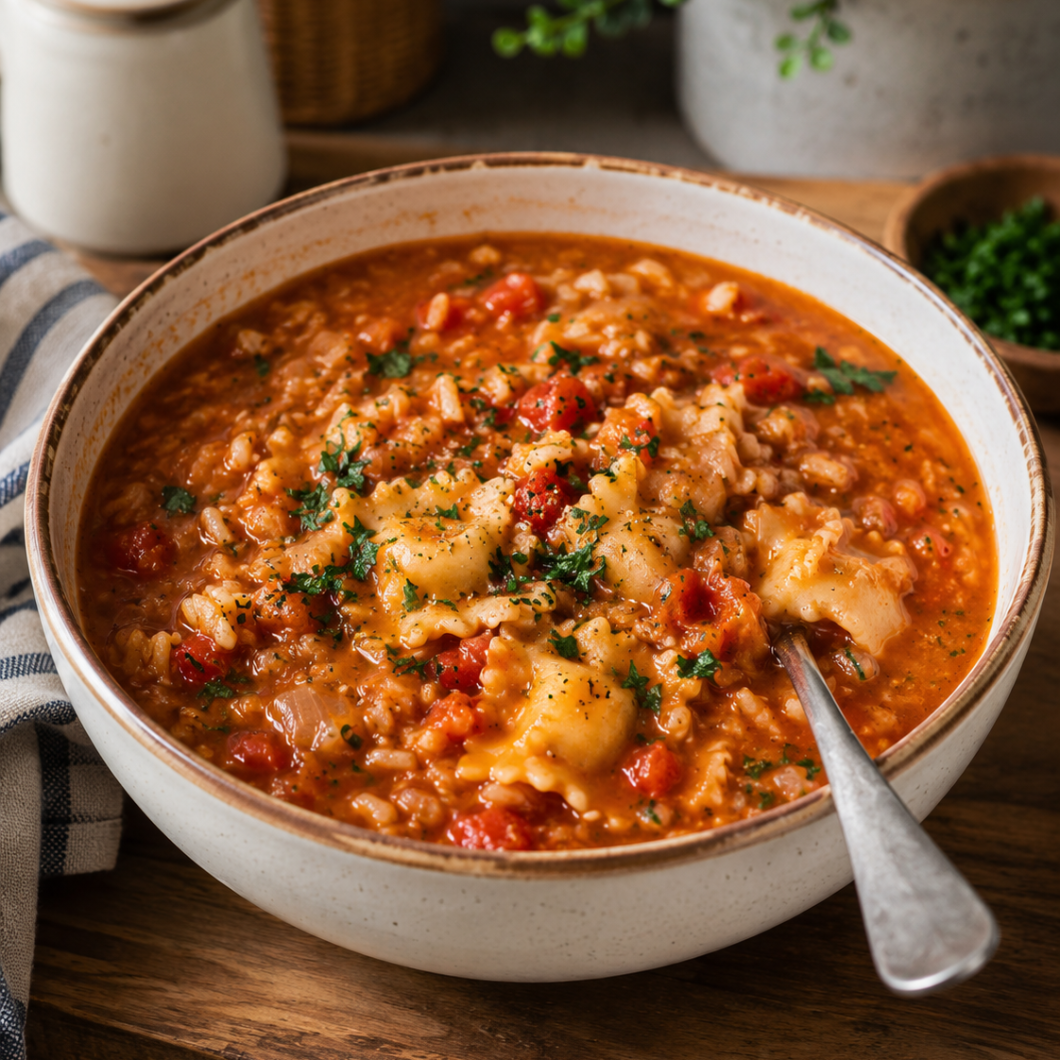
Hearty One-Pot Cabbage Roll Soup Recipe
 Recipe by admin
A hearty one-pot vegan soup made with plant-based ground beef, green cabbage, rice, fire roasted tomatoes, tomato sauce, onion, garlic, and vegetable broth. This easy cabbage roll soup has the comforting flavor of traditional cabbage rolls while using a simple stovetop cooking method.
5
minutes40
minutes45
minutesIngredients
1 medium yellow onion, chopped (about 2 cups)
2 tablespoons olive oil
1 tablespoon minced garlic
3 teaspoons salt, divided (plus more to taste)
4 cups green cabbage, chopped (about 1/2 large head of cabbage)
10 oz plant-based ground beef
1 tablespoon fresh parsley, chopped (plus more for garnish)
1 can (14.5 oz) fire roasted diced tomatoes
1 jar (25 oz) tomato sauce (marinara sauce may be used)
1/2 tablespoon maple syrup (optional)
32 oz vegetable broth
1/4 teaspoon ground pepper
1 bay leaf
1 cup uncooked rice
Directions
- Cook the Onion: Add olive oil, chopped onion, minced garlic, and 1 teaspoon salt to a stock pot. Cook over medium heat, stirring occasionally, until the onion is soft and translucent.
- Prepare the Cabbage: While the onion cooks, chop the green cabbage into medium-sized pieces, wash it, and set it aside.
- Cook the Plant-Based Beef: Add the plant-based ground beef to the pot and cook according to the package directions, stirring frequently. Add the chopped parsley and simmer for a few more minutes.
- Add Cabbage and Tomatoes: Stir in the chopped cabbage and fire roasted diced tomatoes. Cook for about 5 minutes, stirring occasionally.
- Simmer With Rice: Add tomato sauce, optional maple syrup, vegetable broth, remaining salt, ground pepper, and bay leaf. Cover and bring to a boil. Reduce heat to low, stir in the uncooked rice, cover, and cook for 25–30 minutes. Stir several times so the rice does not stick.
- Serve: When the cabbage is soft and the rice is cooked, remove the bay leaf if present. Ladle the soup into bowls and garnish with additional fresh parsley if desired.
Notes
- Add more salt to taste after the soup has cooked.
- Stir the soup several times while the rice cooks to help prevent sticking.
- The maple syrup is optional and can be omitted according to preference.
- Rice absorbs broth while the soup is stored, so add water when reheating if the soup becomes too thick.
- Check that the rice is tender and the cabbage is soft before serving.
- Store leftovers properly and adjust the consistency with water when reheating.