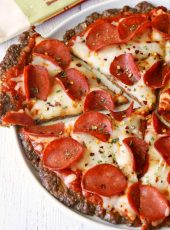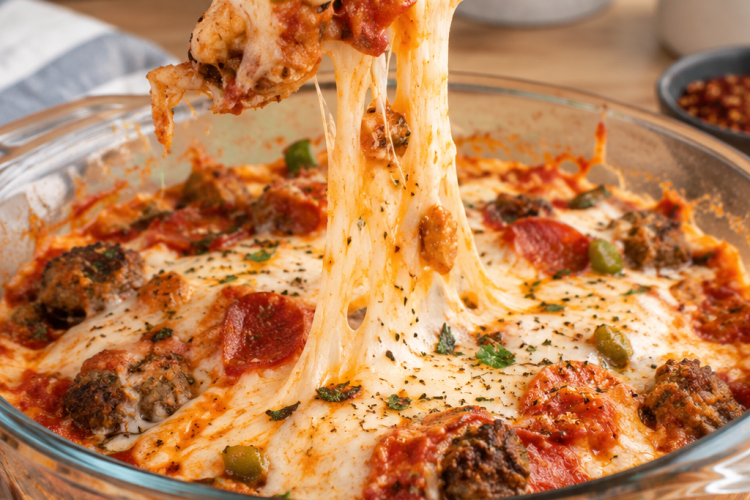
A crustless pizza bowl is a delicious way to enjoy the familiar taste of pizza without making or using a traditional pizza crust. It combines rich pizza sauce, melted mozzarella cheese, savory sausage, and your favorite pizza toppings in individual oven-safe bowls. Baked until the cheese is bubbling and lightly golden, this easy pizza bowl recipe brings all the flavors of a classic pizza into a simple dish that works well for lunch or dinner.
One of the best things about making pizza in a bowl is how easily you can customize it. You can keep the ingredients simple with sausage and cheese, add colorful vegetables for extra variety, or create a meat-lover’s version with several proteins. Since there is no dough to prepare, roll, or bake separately, this recipe is especially convenient for busy evenings when you want a satisfying meal without spending too much time in the kitchen.
This crustless pizza recipe is also a useful option for people who prefer to reduce their carbohydrate intake. Without a conventional wheat-based crust, the dish can fit into some low-carb meal plans, depending on the ingredients and portion size. The recipe is naturally free of a traditional pizza crust, but the nutritional content can vary considerably depending on the pizza sauce, toppings, and cheese you choose. With just 10 minutes of preparation and about 20 minutes of baking, these individual pizza bowls make pizza night easier and more flexible.
What Makes This Crustless Pizza Bowl Recipe Special?
All the pizza flavor without the dough
Traditional pizza usually relies on a baked crust to hold its sauce, cheese, and toppings together. A crustless pizza bowl skips that step and places the ingredients directly into an oven-safe dish. The sauce adds a rich tomato flavor, the mozzarella melts into a creamy layer, and the toppings provide savory texture in every bite. You can enjoy the familiar combination of pizza ingredients without having to prepare homemade dough or wait for it to rise.
Easy to customize with your favorite toppings
A pizza bowl is ideal for households where everyone likes different toppings. Some people prefer sausage, while others enjoy bell peppers, onions, olives, mushrooms, or pepperoni. You can use the same basic layering method and change the ingredients in each bowl to suit individual preferences. This makes the recipe especially useful for family dinners, casual gatherings, and meal preparation when you want several variations without making multiple full-size pizzas.
Quick preparation for busy days
Because this recipe does not require a crust, it eliminates several steps associated with traditional homemade pizza. You only need to prepare any ingredients that require cooking, layer the sauce, toppings, and cheese, and place the bowls in the oven. The baking time gives you an opportunity to prepare a salad, arrange a few extra toppings, or clean your workspace. The result is a warm, cheesy meal that feels comforting without requiring an elaborate cooking process.
Individual portions with plenty of flexibility
Preparing the recipe in separate ramekins or small oven-safe bowls makes serving straightforward. Each person receives an individual portion, and toppings can be adjusted before baking. You can also make the bowls slightly different in size if your serving needs vary, although changing portion sizes will affect the nutritional information. For the best results, use bowls with enough depth to hold the layers without allowing the sauce or melted cheese to spill over during baking.
Ingredients for an Easy Pizza Bowl
The ingredient list is short, and each component contributes to the familiar flavor of pizza. Pizza or marinara sauce forms the base, sausage provides a savory element, additional pizza toppings create variety, and mozzarella cheese melts over the ingredients to produce a delicious finish. Choosing ingredients you already enjoy is the easiest way to make this recipe your own without complicating the preparation.
Pizza or marinara sauce
The sauce gives the pizza bowl its tomato-rich flavor and keeps the ingredients moist as they bake. You can use a favorite store-bought pizza sauce or marinara sauce to save time. A homemade tomato sauce is another option if you already have one prepared. For a lower-carbohydrate version, check the nutrition label and select a sauce with less added sugar and a carbohydrate level that suits your dietary needs.
Sweet Italian sausage
Sweet Italian sausage adds a hearty, seasoned flavor that pairs naturally with tomato sauce and mozzarella. Remove the casings before cooking so the sausage can be broken into small pieces and distributed evenly throughout the bowls. If you prefer a different protein, ground beef, turkey sausage, chicken, or sliced pepperoni can also work. Any meat that needs cooking should be fully cooked before it is layered into the bowls.
Favorite pizza toppings
The recipe allows you to use approximately two cups of your preferred pizza toppings. Green bell peppers, onions, black olives, mushrooms, and pepperoni are familiar choices, but you can combine ingredients according to your taste. Vegetables provide different textures and flavors, while additional meats make the dish more substantial. For the most balanced texture, cut vegetables into small pieces and cook watery vegetables briefly before assembling the bowls.
Mozzarella cheese
Mozzarella is a classic pizza cheese because it melts smoothly and creates the stretchy, bubbly topping associated with baked pizza. Shredded mozzarella is convenient because it spreads evenly between the layers. You can use your preferred mozzarella variety, keeping in mind that different products may have slightly different moisture and fat contents. Adding the cheese in two layers helps distribute it throughout the bowl instead of leaving all of it on the surface.
How to Make Crustless Pizza Bowls
Step 1: Prepare the oven and bowls
Preheat your oven to 400°F (approximately 200°C). Lightly coat four medium oven-safe bowls or ramekins with cooking spray to help prevent sticking and make serving easier. Place the bowls on a sturdy baking sheet before filling them, as this makes it simpler to move them into and out of the oven. Check that the bowls are suitable for oven use and have enough space for the ingredients to bubble slightly during baking.
Step 2: Cook the sausage and vegetables
Place the sausage in a skillet over medium-high heat and cook until it is browned and cooked through, breaking it into small pieces as it cooks. If you are using another raw meat that requires cooking, prepare it thoroughly before moving to the next step. Add the vegetables and sauté them with the meat for a few minutes. This allows excess moisture to escape and helps the flavors combine. Set the cooked mixture aside while you prepare the bowls.
Step 3: Add the first layer of sauce
Spoon a small amount of pizza or marinara sauce into the bottom of each prepared bowl. The original recipe suggests beginning with approximately two tablespoons of each ingredient when building the layers. Spread the sauce gently so that it covers the bottom without creating a pool that could make the finished dish overly watery. Distribute the ingredients as evenly as possible among the four bowls to keep the portions reasonably consistent.
Step 4: Add the pizza toppings
Divide the cooked sausage and vegetable mixture among the bowls, placing it over the first layer of sauce. If you are using pre-cooked toppings such as pepperoni or cooked chicken, add them at this stage as well. Keep the pieces relatively small so that each spoonful includes a good mixture of sauce, protein, and vegetables. Avoid overfilling the bowls, especially if you plan to add another layer of sauce and cheese.
Step 5: Layer the mozzarella cheese
Sprinkle mozzarella over the toppings to create the first cheese layer. Repeat the sequence with another layer of sauce, the remaining toppings, and more mozzarella cheese. This simple layering method distributes the ingredients throughout the dish and gives the finished pizza bowl a cheesy top. Use the specified ingredient quantities across the four bowls rather than concentrating too much sauce or cheese in one serving.
Step 6: Bake until hot and bubbly
Arrange the filled bowls on the baking sheet and transfer them carefully to the preheated oven. Bake for 15–20 minutes, or until the cheese is bubbling and the surface begins to turn lightly golden. The exact baking time may vary depending on the depth and material of your bowls and the temperature of the ingredients before baking. If you used meat, make sure it was fully cooked before assembly; the final baking step is primarily for heating the layers and melting the cheese.
Step 7: Brown the cheese if desired
For a more deeply golden cheese topping, switch to the broiler for the final one to two minutes of cooking, if your bowls are broiler-safe. Watch closely because cheese can change from golden to burnt very quickly under direct heat. This optional step creates a more browned surface while leaving the sauce and toppings warm underneath. Skip broiling if your bowls are not designed to withstand the broiler’s intense heat.
Step 8: Cool slightly and serve
Remove the baking sheet carefully and allow the bowls to rest for three to five minutes before serving. The sauce and cheese will be extremely hot straight from the oven, so this short resting period makes the dish easier to enjoy. If desired, finish with fresh basil, a little grated Parmesan, or a handful of chopped fresh tomatoes. Serve the pizza bowls on heat-resistant plates or trivets to protect your table.
Tips for Making the Best Crustless Pizza Bowl
Brown the meat before adding the vegetables
Cooking the sausage first is an easy way to build a deeper flavor. As the meat browns, it develops savory notes that blend well with the tomato sauce and mozzarella. Add the vegetables when the meat is nearly cooked, then sauté everything together for a few minutes. This method also helps reduce excess moisture, which is important because watery vegetables can dilute the sauce and leave liquid at the bottom of the finished bowls.
Choose toppings that work well together
Although you can experiment with almost any pizza topping, selecting ingredients with complementary flavors usually produces the best results. Sausage, bell peppers, and onions create a familiar savory combination, while mushrooms and black olives add an earthy, salty touch. Pepperoni works well with mozzarella and tomato sauce, and chicken can be paired with vegetables for a milder flavor. Keep the total amount of toppings close to the recipe’s two-cup measurement so the bowls have enough room for the sauce and cheese layers.
Avoid adding too much sauce
Sauce is essential for a flavorful pizza bowl, but adding too much can make the finished dish watery. Use the measured two cups across all four portions, distributing the sauce between the layers. If your sauce is particularly thin, you can allow it to simmer briefly before assembly to reduce some of its liquid. This is especially helpful when using vegetables that naturally release moisture during cooking, such as mushrooms or zucchini.
Use cheese strategically
Dividing the mozzarella between the layers gives you a better balance of melted cheese throughout the bowl. It also creates a golden, bubbling surface during baking. Shredded cheese is easy to distribute, but freshly shredded mozzarella may melt differently from pre-shredded varieties. If you want a browned top, use the optional short broiling step and watch carefully. The goal is a lightly golden surface, not a dry or burnt layer of cheese.
Finish with fresh ingredients
Fresh toppings can brighten the rich flavor of baked cheese and tomato sauce. Chopped basil, fresh arugula, cherry tomatoes, and freshly grated Parmesan are all suitable finishing options. Add delicate greens and herbs after baking so they retain their color and freshness. These additions are optional and are not included in the original ingredient quantities, so the nutritional values in the recipe card may change if you use them.
Creative Ways to Customize Your Pizza Bowl
Make a classic meat-lover’s pizza bowl
For a hearty variation, combine the sausage with pepperoni, cooked ground beef, or another favorite pizza protein. Keep the total amount of toppings within a reasonable range so the bowls do not become too full. Make sure all raw meats are thoroughly cooked before assembly. The tomato sauce and mozzarella bring the different ingredients together, creating a rich, savory meal that delivers the familiar taste of a meat-lover’s pizza without a conventional crust.
Prepare a vegetable pizza bowl
A vegetable-based version can be made with green bell peppers, onions, mushrooms, and black olives. Sauté the vegetables briefly before layering them into the bowls, particularly if they contain a lot of moisture. Leaving out the sausage makes the recipe suitable for a vegetarian variation when the sauce and cheese are also free from animal-derived ingredients beyond dairy. This option offers plenty of room to experiment with different vegetables while keeping the same easy cooking method.
Add a spicy kick
If you enjoy spicy food, add sliced jalapeños or crushed red pepper flakes to the toppings. You can distribute the heat evenly across all four bowls or make only one or two servings spicy. Pepperoni and spicy sausage are additional options for people who want a stronger flavor. Start with a modest amount of hot ingredients, especially when serving a group, because the heat can become more noticeable after the sauce and cheese have baked together.
Try a lighter variation
You can adjust the recipe to suit your preferred eating style by choosing different proteins and sauces. Turkey sausage or turkey pepperoni can replace some traditional pork-based toppings, while a vegetable-only version removes the meat entirely. However, a lighter ingredient choice does not automatically make every serving low in calories or sodium. Cheese, processed meats, and prepared sauces can contribute significant amounts of these nutrients, so check product labels when making changes to your meal.
Experiment with herbs and seasonings
Dried oregano, Italian seasoning, and fresh basil complement the tomato sauce and mozzarella. A small amount of dried seasoning can be mixed into the sauce before layering, while fresh basil is best added after baking. You can also use freshly ground black pepper if you enjoy a little extra seasoning. Taste the sauce and cooked toppings before assembling the bowls, particularly if the sausage and cheese are already salty, to avoid making the finished dish overly seasoned.
Is Crustless Pizza Bowl Keto-Friendly?
A crustless pizza bowl can be easier to fit into a low-carbohydrate eating plan than traditional pizza because it does not include a flour-based crust. The main ingredients are sauce, sausage, cheese, and other pizza toppings, so the final carbohydrate content depends on the specific products and quantities used. For people following a ketogenic diet, checking the sauce label is particularly important because some prepared pizza and marinara sauces contain added sugar.
The nutritional information provided with this recipe lists 26.2 grams of carbohydrates and 4.2 grams of fiber per serving. That works out to approximately 22 grams of net carbohydrates per serving if calculated by subtracting fiber from total carbohydrates. This amount may be higher than some people prefer for a strict ketogenic diet, so the recipe should not automatically be considered suitable for every keto plan. Choosing a lower-carbohydrate sauce and adjusting toppings may help, but you should recalculate the nutrition using the actual products and quantities you use.
Serving Suggestions for Pizza Bowls
Serve with a fresh side salad
A crisp green salad makes a simple companion to the warm, cheesy pizza bowl. Lettuce, cucumber, tomatoes, and a light dressing provide a fresh contrast to the rich sauce and mozzarella. You can prepare the salad while the bowls bake, keeping the overall meal preparation convenient. If you are monitoring your carbohydrate intake, choose salad ingredients and dressings that suit your dietary goals and account for any additional nutrients in your meal.
Pair with roasted or steamed vegetables
Roasted broccoli, green beans, or steamed vegetables can complement the savory flavor of the pizza bowl. These sides are particularly useful when you want a larger dinner without relying on bread or pasta. Season vegetables simply with herbs, black pepper, or a little olive oil so they do not compete with the tomato sauce and cheese. The best side dishes are those that can be prepared while the pizza bowls are in the oven.
Make it part of a casual pizza night
Individual pizza bowls are convenient for relaxed family meals because each serving can have different toppings. Place prepared toppings on the table before assembly and let everyone choose a combination. If several people are eating together, label bowls that contain spicy ingredients or particular proteins. This approach also makes the recipe suitable for informal gatherings where guests have different preferences and want an alternative to a traditional pizza crust.
Make-Ahead, Storage, and Reheating Instructions
How to prepare pizza bowls ahead of time
These crustless pizza bowls can be assembled in advance to make dinner easier. Cook the sausage and vegetables, arrange the sauce, toppings, and cheese in oven-safe bowls, then cover and refrigerate them until you are ready to bake. For food safety, refrigerate the prepared bowls promptly rather than leaving cooked ingredients at room temperature for an extended period. Keep them covered and use them within a short period, ideally within one to two days for best quality.
If you assemble the bowls while the ingredients are still warm, allow them to cool briefly before refrigerating, without leaving them out for more than two hours. When you are ready to cook, check that the bowls are suitable for the temperature change involved. Cold glass or ceramic dishes may need special care to prevent thermal shock, so follow the manufacturer’s guidance. The baking time may also be longer when the ingredients are chilled.
How to store leftover pizza bowls
Allow leftovers to cool slightly, then transfer them to covered, refrigerator-safe containers or cover the bowls securely if they are suitable for storage. Refrigerate within two hours of cooking, or within one hour when the surrounding temperature is above 90°F (32°C). For the best quality, use refrigerated leftovers within three to four days, following standard food-safety guidance. The original recipe recommends enjoying them within a day or two for the best taste and texture.
How to reheat pizza bowls in the oven
For an oven-reheated serving, preheat the oven to 400°F (approximately 200°C). Place the pizza bowl in an oven-safe dish if needed and heat for about 10–12 minutes, checking that the cheese is bubbling and the toppings are hot throughout. The time can vary depending on the portion size and how cold the bowl is when it enters the oven. Avoid placing a refrigerated dish directly into a hot oven unless its manufacturer confirms that it can safely handle the temperature change.
How to reheat pizza bowls in the microwave
For a faster option, transfer an individual portion to a microwave-safe dish if the original bowl is unsuitable for microwave use. Heat at medium power for two to three minutes, checking the center and continuing in short intervals if necessary. Larger or particularly cold portions may need more time. Stirring is not always practical with layered pizza bowls, so check the middle carefully and ensure the food is heated evenly before eating.
Frequently Asked Questions About Crustless Pizza Bowls
Can I make pizza bowls without sausage?
Yes. Sausage is only one way to add flavor and protein to this recipe. You can use ground beef, turkey sausage, cooked chicken, pepperoni, or a combination of your preferred toppings. If you prefer a meat-free option, leave out the sausage and use vegetables instead. Cook vegetables that release a lot of liquid before adding them to the bowls to help maintain a rich sauce and a pleasant texture.
Can I use store-bought marinara sauce?
Absolutely. Store-bought marinara or pizza sauce keeps the preparation quick and convenient. Choose a sauce you enjoy because its flavor will be noticeable throughout the finished dish. If you are watching your carbohydrate intake, review the nutrition label for total carbohydrates and added sugars. Homemade sauce also works well, provided it has a suitable consistency and is spread evenly between the layers.
What type of bowls should I use?
Use four medium oven-safe bowls or ramekins that can comfortably hold the sauce, toppings, and cheese. Ceramic or oven-safe glass dishes may work, provided they are designed for the temperatures involved. Place them on a baking sheet to make handling easier. Never assume that an ordinary serving bowl is oven-safe, and avoid using plastic dishes or containers that are not specifically designed for oven cooking.
How do I stop my pizza bowl from becoming watery?
The most effective approach is to cook the meat and vegetables before assembling the bowls. This allows excess moisture to escape before it becomes trapped beneath the cheese. Measure the sauce instead of pouring it in freely, and avoid using unusually watery toppings without preparing them first. Mushrooms and other moisture-rich vegetables can be sautéed briefly, while thicker tomato sauce can help produce a more concentrated flavor.
Can I freeze crustless pizza bowls?
Freezing is possible, but the texture may change after thawing, particularly if the bowls contain vegetables with high water content. For better results, cool the cooked mixture, portion it into freezer-safe containers, and seal securely. Thaw in the refrigerator before reheating and heat until thoroughly hot throughout. Only freeze in dishes specifically designed for freezer use, and do not put a frozen glass or ceramic dish straight into a hot oven unless the manufacturer confirms it is safe.
Can I prepare different flavors in the same batch?
Yes. The individual bowls make it easy to create several topping combinations at once. Keep the same general proportions of sauce, toppings, and cheese, but change the vegetables, meats, or seasonings in each bowl. This is a practical option when one person prefers vegetables while another wants sausage or pepperoni. If you are preparing bowls for people with food allergies or dietary restrictions, use separate utensils and keep ingredients clearly identified.
Final Notes for the Best Results
Crustless pizza bowls are a practical alternative to traditional pizza when you want a meal that is easy to prepare, simple to portion, and flexible enough for different tastes. Browning the meat and vegetables before assembly, measuring the sauce carefully, and layering the mozzarella throughout the bowls will help you achieve a rich flavor and a satisfying texture. Allowing the bowls to rest briefly before serving also makes them easier to handle and enjoy.
For the most reliable results, use the ingredient quantities in the recipe card, pre-cook any meat that requires it, and bake until the cheese is bubbly and lightly golden. You can adapt the toppings to create spicy, vegetarian, or meat-heavy versions without changing the basic method. Keep in mind that nutritional values depend on the exact sauce, cheese, meat, and portion sizes you use, particularly if you are following a low-carb or ketogenic eating plan.
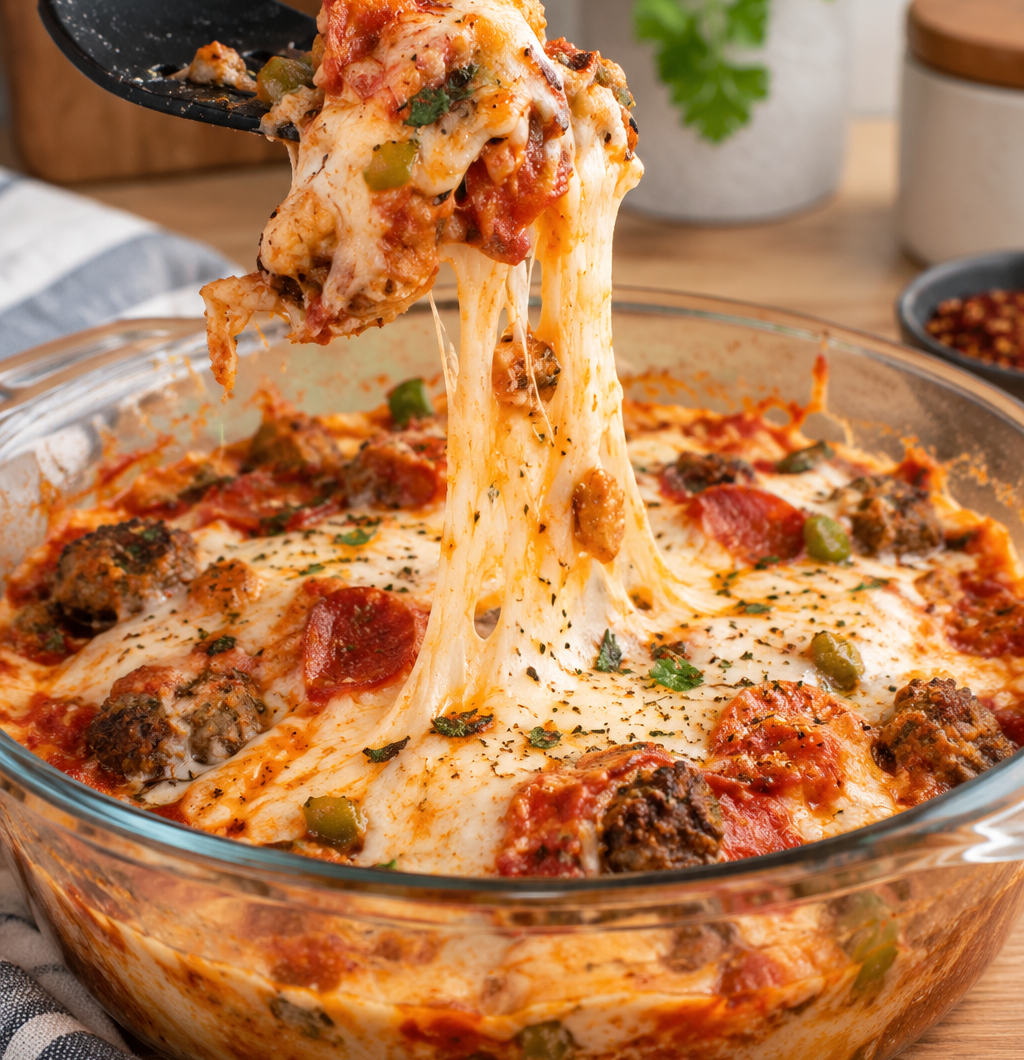
Crustless Pizza Bowl
 Recipe by admin
Enjoy all the delicious flavors of pizza in an easy, oven-baked bowl without the traditional crust. Made with pizza sauce, Italian sausage, your favorite toppings, and melted mozzarella cheese, this customizable recipe is perfect for a quick lunch or dinner.
4
servings10
minutes20
minutes455
kcal30
minutesIngredients
2 cups pizza or marinara sauce
1–2 sweet Italian sausages, casings removed
2 cups favorite pizza toppings
2 cups mozzarella cheese
Directions
- Preheat the oven: Preheat your oven to 400°F (200°C). Lightly coat four medium oven-safe bowls or ramekins with cooking spray and arrange them on a baking sheet.
- Cook the sausage: Brown the sausage in a skillet over medium-high heat, breaking it into small pieces. Cook until thoroughly done. Add the vegetables and sauté for a few minutes to soften them and release excess moisture.
- Add the first sauce layer: Spoon a small amount of pizza or marinara sauce into the bottom of each bowl, distributing it evenly among the four portions.
- Add the toppings: Divide the cooked sausage and vegetable mixture among the bowls, spreading the toppings over the sauce.
- Layer the cheese: Sprinkle mozzarella over the toppings. Repeat the layers with more sauce, the remaining toppings, and another layer of mozzarella.
- Bake the bowls: Bake for 15–20 minutes, until the cheese is bubbling and lightly golden. Cooking time may vary depending on the bowls and the temperature of the ingredients.
- Broil if desired: For a more golden cheese topping, broil for the final one to two minutes, provided the bowls are broiler-safe. Watch carefully to prevent burning.
- Cool and serve: Let the pizza bowls rest for three to five minutes before serving. Add fresh basil or Parmesan if desired.
Notes
- Topping choices: Use your favorite pizza toppings, including green bell peppers, black olives, onions, mushrooms, pepperoni, ground beef, turkey sausage, or cooked chicken.
- Flavor tip: Brown the meat before adding vegetables to build flavor and reduce excess moisture.
- Spicy variation: Add jalapeños or crushed red pepper flakes for extra heat.
- Herbs: Sprinkle fresh basil, dried oregano, or Italian seasoning over the bowls for additional flavor.
- Make-ahead preparation: Assemble the bowls, cover, and refrigerate promptly until ready to bake. Use within one to two days for best quality.
- Storage: Refrigerate leftovers in covered containers. For food safety, consume within three to four days.
- Oven reheating: Reheat at 400°F for approximately 10–12 minutes, until heated throughout.
- Microwave reheating: Microwave an individual portion on medium power for two to three minutes, checking that it is hot throughout.
- Low-carb note: The recipe contains no traditional pizza crust, but the sauce and toppings still contribute carbohydrates. Check product labels if you are following a strict ketogenic diet.
Nutrition Facts
4 servings per container
- Amount Per ServingCalories455
- % Daily Value *
- Total Fat
28g
36%
- Total Carbohydrate
26g
10%
- Total Sugars 14.5g
- Protein 22g 44%
* The % Daily Value tells you how much a nutrient in a serving of food contributes to a daily diet. 2,000 calories a day is used for general nutrition advice.