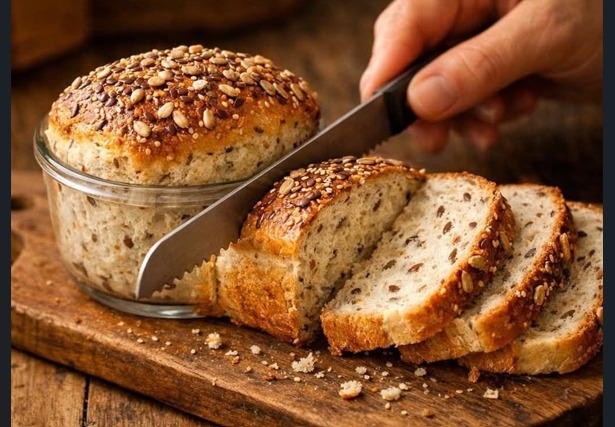
Gluten-free seeded bread is a wholesome homemade bread made with a combination of seeds, oats, and chickpea flour instead of traditional wheat flour. This recipe creates a hearty loaf with a chewy texture, a nutty flavor, and plenty of crunchy seeds in every slice. It is a wonderful option for anyone looking for a homemade gluten-free bread that does not require complicated baking techniques or special equipment.
Unlike many traditional bread recipes, this gluten-free seed bread does not need yeast, kneading, or proofing. Chia seeds mixed with hot water create a natural gel that helps hold the ingredients together. This simple method makes the bread easy to prepare, even for beginners who have never baked gluten-free bread before.
The loaf is also made without psyllium husk powder or xanthan gum. Instead, it relies on chia seeds and ground flaxseed to provide structure and binding. The result is a dense, satisfying bread that works well for breakfast, lunch, snacks, or a simple side dish with soup.
Why You Will Love This Chia Seed Bread
One of the best things about this gluten-free seeded bread recipe is its simplicity. You do not need to activate yeast, wait for dough to rise, or spend time kneading. The ingredients are mixed together, shaped into a loaf, and baked until the outside becomes golden and firm.
This bread is especially useful for people who enjoy homemade food with recognizable ingredients. Oats, chickpea flour, chia seeds, flaxseed, sunflower seeds, and pumpkin seeds give the loaf a naturally rich flavor and a satisfying texture. Each ingredient contributes something different, making the bread enjoyable even without elaborate toppings.
Another reason to try this recipe is its versatility. The mild, nutty flavor pairs beautifully with both sweet and savory foods. You can serve it with avocado, hummus, nut butter, vegan cream cheese, fresh fruit, or a warm bowl of vegetable soup.
Ingredients That Make This Bread Special
Chickpea Flour
Chickpea flour, also known as gram flour or besan, forms an important part of this gluten-free bread. It has a mild earthy flavor and helps give the loaf substance. Chickpea flour is naturally gluten-free when produced and handled without gluten contamination, making it a useful ingredient for gluten-free baking.
Its texture works well with the seeds and oats, creating a bread that feels hearty rather than soft and fluffy like a conventional sandwich loaf. The flour also contributes plant-based protein and helps the dough hold its shape during baking.
Oats
Oats add a gentle flavor and a pleasant grain-like texture to the bread. Quick oats are convenient because they mix easily with the other dry ingredients, although rolled oats may also work. If you need to avoid gluten, choose oats that are specifically labeled gluten-free.
The oats absorb moisture from the chia mixture and help create a cohesive dough. They also make the bread suitable for a variety of toppings, from sweet fruit spreads to savory vegetable fillings.
Chia Seeds
Chia seeds are the key binding ingredient in this recipe. When soaked in hot water, they absorb liquid and form a thick, gel-like mixture. This natural gel helps replace some of the structure usually provided by gluten or other binding ingredients.
Chia seeds also add a subtle texture and mild flavor. Their ability to absorb water is especially helpful in gluten-free baking, where dough often needs extra support to stay together after baking.
Ground Flaxseed
Ground flaxseed works alongside chia seeds to help bind the ingredients. It adds a slightly nutty taste and contributes to the dense, chewy texture of the finished loaf.
Using ground flaxseed rather than whole flaxseeds allows it to blend more easily into the dough. It also helps distribute the seed mixture throughout the bread, creating a consistent texture from the crust to the center.
Sunflower and Pumpkin Seeds
Sunflower seeds and pumpkin seeds provide the bread with its characteristic crunch. They also add a pleasant roasted flavor as the loaf bakes.
These seeds make each slice more interesting and give the bread a rustic appearance. Their natural flavor complements chickpea flour, oats, and flaxseed without overpowering the other ingredients.
Salt and Baking Powder
Salt brings out the natural flavor of the grains and seeds. Without it, the bread may taste flat, even when the ingredients are fresh and flavorful.
Baking powder is optional. It gives the loaf a little extra lift and can make the texture slightly less dense. The bread will still work without it, although the final result may be more compact.
How to Make Gluten-Free Seeded Bread
Step 1: Prepare the Chia Seed Mixture
Place the chia seeds in a large mixing bowl and pour in the hot water. The water should be approximately 60–70°C. Whisk thoroughly so the seeds are evenly distributed and do not gather into large clumps.
Allow the mixture to rest for about 10 minutes. During this time, the chia seeds absorb the water and develop a thick, gel-like consistency. This mixture is essential because it helps bind the gluten-free ingredients together.
Step 2: Preheat the Oven
While the chia seeds soak, preheat your oven to 360°F (180°C). Use conventional top-and-bottom heat rather than relying on a fan setting, unless your oven instructions recommend otherwise.
Prepare a baking tray by lining it with parchment paper. This prevents the bread from sticking and makes it easier to transfer the loaf after baking.
Step 3: Combine the Dry Ingredients
In a separate large bowl, add the ground flaxseed, sunflower seeds, pumpkin seeds, oats, chickpea flour, salt, and optional baking powder.
Stir the ingredients until they are evenly mixed. Breaking up any lumps in the chickpea flour at this stage will help create a more uniform dough later.
Step 4: Mix the Dough
Pour the soaked chia seed mixture into the bowl of dry ingredients. Begin mixing with a wooden spoon or spatula until the ingredients start to come together.
Once the mixture becomes thick, use clean hands to combine it more thoroughly. The dough should feel moist and dense, with the seeds and oats evenly distributed throughout.
Step 5: Shape the Loaf
Transfer the dough to the parchment-lined baking tray. Shape it into a loaf using your hands, gently pressing the mixture together so it holds its form.
You can make the loaf slightly rounded or more rectangular, depending on how you prefer to slice it. Keep the shape reasonably even so the bread bakes at a consistent rate.
Step 6: Bake the Bread
Place the shaped loaf in the preheated oven and bake for approximately 50 minutes. The outside should become golden brown and feel firm when lightly touched.
Because this bread contains a high amount of seeds and moisture-absorbing ingredients, it will be denser than ordinary wheat bread. Avoid judging its doneness by expecting a light, airy crumb.
Step 7: Cool Before Slicing
Remove the bread from the oven and carefully transfer it to a cooling rack. Allow it to cool completely before cutting.
This step is particularly important for gluten-free seeded bread. The chia and flax mixture needs time to settle and firm up. Slicing the loaf while it is still hot may cause the center to crumble or appear overly moist.
Delicious Ways to Serve Seeded Bread
This homemade gluten-free bread is delicious on its own, but toasting brings out the nutty flavor of the seeds and creates a crisp outer surface. A lightly toasted slice makes an excellent breakfast or afternoon snack.
For a savory option, spread mashed avocado over a slice and add cucumber, tomato, radishes, or a little black pepper. Hummus, lentil hummus, and garlic white bean dip also pair well with the earthy flavor of the bread.
If you prefer something sweet, try peanut butter or almond butter with banana slices, berries, or raspberry chia jam. Vegan cream cheese with fresh fruit is another simple combination that works well for breakfast.
The bread can also be used for sandwiches. Fill two slices with chickpea tuna salad, tofu egg salad, lettuce, and tomatoes for a satisfying lunch. It is equally enjoyable alongside vegetable soup, lentil stew, or a warm bowl of beans.
Recipe Variations for Different Flavors
Savory Seeded Bread
The basic recipe has a mild flavor that makes it easy to customize. Chopped olives or sun-dried tomatoes can add a richer, more savory taste. Grated carrot or zucchini may also be included, but squeeze out excess moisture before mixing them into the dough.
Mashed avocado can create a softer texture and add flavor. Nutritional yeast is another option if you enjoy a cheesy, savory taste in plant-based bread.
For extra seasoning, consider onion powder, garlic powder, smoked paprika, cumin, cayenne, red pepper flakes, or black pepper. Dried herbs such as rosemary, thyme, and oregano can also complement the seeds.
Sweet Seeded Bread
For a sweeter loaf, add dried fruit such as raisins, cranberries, apricots, dates, or cherries. These ingredients provide natural sweetness and make the bread particularly enjoyable with tea or coffee.
Diced candied ginger or orange can add a distinctive flavor. Cinnamon, nutmeg, and pumpkin pie spice are also suitable choices for a warm, sweet aroma.
Vanilla extract can provide additional depth, while coconut sugar or maple syrup may be used if you prefer a sweeter bread. Sugar-free sweeteners such as erythritol are another possible option.
Tips for the Best Gluten-Free Seed Bread
For the best texture, measure the ingredients carefully, especially the chia seeds, water, and chickpea flour. The chia mixture should be fully gelled before it is added to the dry ingredients. This helps the dough bind properly and prevents the loaf from falling apart after baking.
Use a parchment-lined tray and shape the dough firmly. A loaf that is loosely formed may break apart more easily when sliced. If the dough feels uneven, press it together gently with your hands before placing it in the oven.
Always allow the bread to cool completely. Although it may be tempting to cut into a warm loaf, cooling gives the interior time to set. This makes the slices easier to handle and improves the overall texture.
Frequently Asked Questions
Is this bread completely gluten-free?
The recipe uses gluten-free ingredients, but anyone with celiac disease or a serious gluten sensitivity should use certified gluten-free oats and check the labels of all other ingredients for possible cross-contamination.
Can I make this bread without psyllium husk?
Yes. This recipe is specifically prepared without psyllium husk powder. Chia seeds and ground flaxseed help bind the ingredients and provide structure.
Does the bread contain yeast?
No. This is a yeast-free bread recipe. It does not require yeast activation, kneading, or proofing.
Why is my seeded bread dense?
The bread naturally has a dense, chewy texture because it contains seeds, oats, and chickpea flour rather than traditional wheat flour. Optional baking powder can make it slightly less dense.
Why did my sunflower seeds turn green?
When baking powder is used, sunflower seeds may sometimes develop a green color during baking. This can happen because compounds in the seeds react with the alkaline environment. The discoloration is harmless and does not usually affect the flavor. A small amount of lemon juice or vinegar may help reduce this reaction.
Gluten-Free Seeded Bread
 Recipe by admin
16
servings15
minutes50
minutes175
kcal1
hour5
minutesIngredients
80 g (½ cup) chia seeds
460 ml (2 cups) hot water
80 g (¾ cup) ground flaxseed
100 g (¾ cup) sunflower seeds
60 g (½ cup) pumpkin seeds
180 g (2 cups) oats (gluten-free, if needed)
100 g (1 cup) chickpea flour
1 tsp salt
1½ tsp baking powder (optional)
Directions
- Add the chia seeds and hot water (approximately 60–70°C) to a large bowl. Whisk well and leave to soak for 10 minutes.
- Preheat the oven to 360°F (180°C) using top-and-bottom heat. Line a baking tray with parchment paper.
- In a separate bowl, combine the ground flaxseed, sunflower seeds, pumpkin seeds, oats, chickpea flour, salt, and optional baking powder.
- Add the soaked chia mixture to the dry ingredients. Stir with a spatula or wooden spoon, then use your hands to combine everything into a thick dough.
- Shape the dough into a loaf and place it on the prepared baking tray.
- Bake for approximately 50 minutes, or until the top is golden brown and the loaf feels firm.
- Transfer the bread to a cooling rack and allow it to cool completely before slicing.
Notes
- Baking powder is optional. It can make the bread slightly less dense.
- Sunflower seeds may turn green when baking powder is used. This is harmless and does not affect the taste.
- To help prevent discoloration, add a little lemon juice or vinegar to balance the dough’s pH.
- The dough can be rested for up to 12 hours before baking. Bring it back to room temperature for 30 minutes before placing it in the oven.
- Store wrapped or in an airtight container at room temperature for several days, or refrigerate for about one week.
- Freeze the loaf whole or sliced for up to three months. Use parchment paper between slices to prevent sticking.
- Thaw in the refrigerator overnight, at room temperature for 2–3 hours, or warm individual slices in a toaster oven.
Nutrition Facts
- Serving Size: 1 g
- Total number of serves: 16
- Calories: 175kcal
- Fat: 10g
- Carbohydrates: 16g
- Sugar: 1g
- Protein: 7g