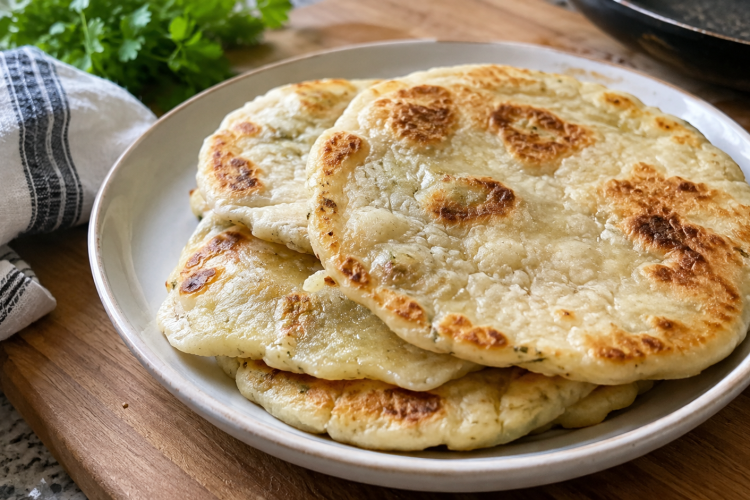
Homemade bread does not have to involve yeast, long rising times, or complicated baking techniques. This easy vegan skillet flatbread is made with a handful of everyday ingredients and cooks directly in a pan on the stovetop. With all-purpose flour, baking powder, salt, olive oil, and unsweetened non-dairy milk or water, you can prepare soft, warm flatbreads in approximately 30 minutes. It is a practical recipe for busy weekdays, simple lunches, family dinners, and moments when you want freshly made bread without turning on the oven.
One of the best things about this no-yeast flatbread recipe is its versatility. The flatbreads are soft enough to fold around sandwich fillings, sturdy enough to hold vegetables and plant-based proteins, and delicious when served alongside soups, stews, and curries. You can also use them as a quick pizza base, a dipping bread for hummus, or a simple accompaniment to your favorite homemade meal. Because the recipe uses basic pantry ingredients, it is an excellent option when you want to make bread without buying special ingredients.
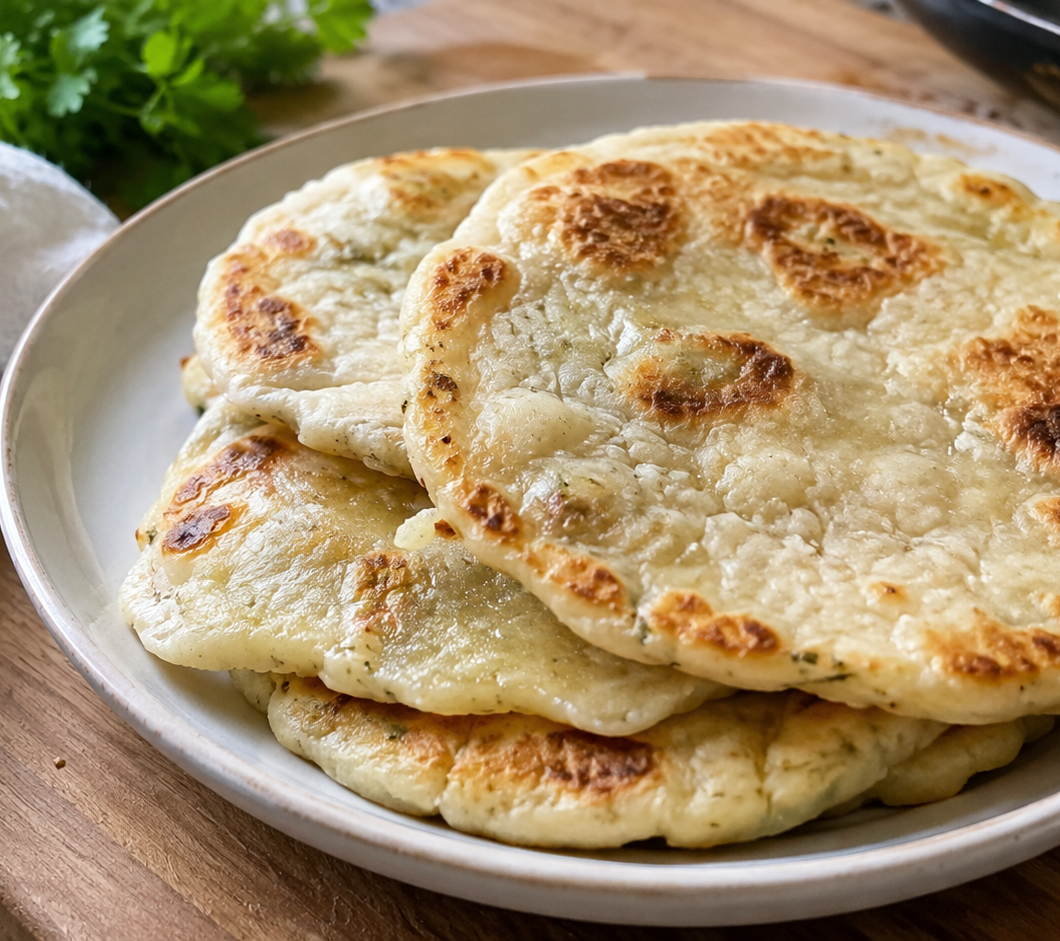
This homemade vegan flatbread is designed to be approachable for beginners. You do not need a bread machine, stand mixer, or specialized baking equipment. A mixing bowl, a spoon, a rolling pin, and a skillet are enough to get started. The dough comes together by hand, rests briefly, and is divided into four portions before cooking. Once the flatbreads hit the hot skillet, they begin to develop golden-brown patches and small bubbles, creating a delicious texture without the need for an oven.
What Makes This Vegan Flatbread Different?
Traditional bread recipes often depend on yeast to help the dough rise and develop its texture. This easy skillet flatbread uses baking powder instead, making the preparation much quicker. Baking powder provides the leavening needed to create a tender bread, while olive oil contributes moisture and helps keep the dough manageable. The result is a simple flatbread that does not require the extended proofing periods associated with yeast-based bread recipes.
Another advantage is that this recipe is completely plant-based when prepared with unsweetened non-dairy milk or water. There is no need for dairy milk, butter, eggs, or other animal-derived ingredients. Olive oil supplies the fat, and the remaining ingredients work together to create a dough that can be rolled and cooked easily. This makes the flatbread suitable for vegan meals and useful for households that prefer straightforward recipes with familiar ingredients.
The texture is best described as soft, flexible, and lightly chewy. The flatbreads are not intended to be thick, crusty loaves of bread. Instead, they offer a tender surface with attractive toasted spots from skillet cooking. When served warm, they are easy to fold, tear, or use as a wrap. Although they are delicious on their own, their mild flavor also makes them a wonderful base for herbs, savory fillings, sauces, and sweet toppings.
Ingredients for Homemade Skillet Flatbread
All-Purpose Flour
All-purpose flour forms the structure of the flatbread and gives the dough enough strength to hold together during rolling and cooking. It is widely available and works well for a quick homemade bread recipe because it produces a balanced texture without requiring specialty flour. Measure the flour carefully, avoiding excessive amounts that could make the dough stiff. If you add too much flour while kneading or rolling, the finished flatbreads may become drier and less flexible.
Baking Powder
Baking powder replaces yeast in this recipe and helps the flatbread develop a lighter texture. Since it does not require a lengthy fermentation period, it allows you to prepare the dough and cook the bread within a short amount of time. Make sure your baking powder is fresh and evenly mixed with the flour before adding the wet ingredients. Distributing it throughout the dry mixture helps the flatbreads cook more consistently and prevents concentrated pockets of leavening.
Salt
Salt brings out the natural flavor of the flour and olive oil while preventing the bread from tasting bland. Although the quantity is small, it plays an important role in the overall taste. Whisk the salt thoroughly into the dry ingredients so that every flatbread has a balanced flavor. If you plan to serve the bread with strongly seasoned curries, dips, or sandwich fillings, this simple seasoning provides a useful foundation without overpowering the accompanying food.
Olive Oil
Olive oil adds richness and helps keep the dough tender. It also contributes to the pleasant flavor of the flatbread and supports a softer texture after cooking. The oil is mixed into the dough, while a little additional oil may be used in the skillet as needed for cooking. Using a moderate amount helps the bread brown without becoming greasy. Olive oil also works well with the recipe’s plant-based ingredients, keeping the preparation entirely dairy-free.
Unsweetened Non-Dairy Milk or Water
The liquid brings the flour mixture together and determines the consistency of the dough. Unsweetened oat milk is one suitable choice, and other unsweetened non-dairy milk can also be considered if you need an alternative. Water works as well, making this recipe especially useful when your refrigerator is nearly empty. Non-dairy milk may produce a slightly softer, chewier flatbread, while water provides a straightforward result with a more neutral flavor.
Tips for Soft and Delicious Flatbread
Avoid Adding Too Much Flour
A common mistake when preparing homemade flatbread is adding excessive flour while kneading or rolling. Although a lightly floured work surface prevents sticking, too much additional flour can make the dough stiff and the cooked bread less tender. Begin with the specified ingredient quantities, then use only a small amount of extra flour when necessary. The dough should remain soft, smooth, and easy to shape rather than dry or crumbly.
Keep the Flatbreads Similar in Thickness
Rolling the four portions to a similar thickness helps them cook at approximately the same rate. If one piece is considerably thicker than the others, it may need extra time in the skillet. Thin areas can brown too quickly, particularly if the pan is very hot. Aim for evenly rolled circles, but do not worry about making them perfectly round. A little variation is normal and will not affect the enjoyment of homemade bread.
Adjust the Heat as Needed
Medium heat is a useful starting point, but different stovetops and pans can produce different results. Watch the first flatbread carefully to determine whether the temperature needs adjustment. If the bread develops dark spots almost immediately, lower the heat. If it remains pale after several minutes, the skillet may need to become slightly hotter. Allowing the bread to cook steadily gives the inside enough time to finish while creating an appealing golden surface.
Choose the Liquid That Suits You
Unsweetened oat milk is a good option for a slightly softer, chewier result, while water works well when you want to keep the recipe especially simple. Both choices are included in the original ingredient list, so you can use whichever is available. When using a different unsweetened non-dairy milk, remember that its thickness may affect how the dough feels. Mix the ingredients thoroughly and judge the final texture before adding any extra flour or liquid.
How to Store and Reheat Flatbread
These flatbreads are best served fresh, but storing leftovers properly makes them convenient for future meals. Allow the cooked bread to cool before placing it in an airtight container. Refrigerate it for up to one week, following the original storage guidance, and reheat individual portions when needed. Keeping the bread covered helps reduce moisture loss and prevents it from becoming unnecessarily dry. For the best texture, avoid leaving cooked flatbreads uncovered on the counter for long periods.
Freezing is another practical option if you want to prepare a double or triple batch. Let the flatbreads cool completely, then stack them in a freezer-safe container or bag. Separating the pieces with suitable food-safe parchment can make it easier to remove only the number you need. The original recipe notes that frozen flatbreads can be stored for several months. For the best quality, keep them well sealed and check that they have not developed freezer burn before reheating.
To reheat refrigerated or frozen flatbread, warm it in a skillet over low to medium heat until heated through. You can also place it in the oven for a few minutes. Avoid prolonged heating because it can dry out the bread and make it less flexible. If the flatbread seems a little firm, gentle reheating and serving it promptly can improve its texture. Once warm, use it for wraps, dipping, sandwiches, or as a side with your favorite meal.
Frequently Asked Questions
Can I Freeze These Vegan Flatbreads?
Yes, these flatbreads can be frozen for convenient future use. Allow them to cool completely, pack them in a freezer-safe container or bag, and separate the pieces if you want to take them out individually. They can be stored for several months according to the original recipe notes. Reheat them in a skillet or oven when ready to serve, and avoid excessive heating so they retain as much softness as possible.
What Can I Use Instead of Oat Milk?
Water is an option already included in this recipe and works well if you do not have oat milk available. The flatbread may have a slightly different texture, but the recipe remains simple and suitable for everyday cooking. Another unsweetened non-dairy milk may also work, although the thickness and composition of the liquid can affect the dough. Choose an unsweetened variety to maintain the flatbread’s neutral flavor.
Can I Double or Triple the Recipe?
Yes, you can multiply the ingredient quantities to prepare a larger batch. This is useful for meal preparation, family dinners, or keeping homemade bread in the freezer. Mix the dough thoroughly and divide it into equal portions before rolling. Depending on the size of your skillet, you may need to cook the flatbreads in several batches. Store any leftovers in the refrigerator or freezer so you can enjoy them later without preparing a fresh dough each time.
Is This Flatbread Completely Vegan?
Yes, when you use the listed olive oil and either water or plant-based milk, the recipe contains no animal-derived ingredients. It does not require eggs, butter, or dairy milk. If you serve the bread with other foods, check the ingredients in spreads, cheese alternatives, and sauces to ensure they meet your dietary preferences. The flatbread itself is a simple plant-based option that can accompany many vegan meals.
Can I Use This Flatbread as Naan Bread?
You can serve this skillet flatbread with Indian curries and other dishes in the same way you might serve naan. However, it is not traditional naan because the recipe uses baking powder rather than a yeast-based method and has a different ingredient composition. Its soft texture and convenient preparation make it a practical alternative when you want a quick homemade bread to accompany saucy dishes.
Homemade Skillet Flatbread Recipe
 Recipe by admin
This easy vegan skillet flatbread is soft, tender, and simple to prepare with five basic ingredients.
4
servings15
minutes15
minutes249
kcal30
minutesIngredients
1 ½ cups all-purpose flour
1 ½ teaspoons baking powder
1 teaspoon salt
2 tablespoons olive oil
½ cup unsweetened non-dairy milk or water
Directions
- Combine the dry ingredients:
Whisk the all-purpose flour, baking powder, and salt together in a large mixing bowl. - Mix the wet ingredients:
In a separate bowl, combine the olive oil with the unsweetened non-dairy milk or water. - Prepare the dough:
Pour the wet mixture into the dry ingredients. Stir with a wooden spoon or spatula, then use your hands to bring the mixture together into a smooth, manageable dough. - Rest the dough:
Cover the bowl and let the dough rest for 10 minutes. - Divide and roll:
Divide the dough into four equal portions. Shape each portion into a ball and roll it out on a lightly floured surface into a roughly circular flatbread. - Heat the skillet:
Warm a cast-iron skillet over medium heat and lightly coat the surface with olive oil as needed. - Cook the flatbreads:
Place one flatbread in the hot skillet and cook for approximately 3–4 minutes on each side, until golden-brown spots and bubbles appear and the bread is cooked through. - Repeat and serve:
Cook the remaining flatbreads in the same way. Serve warm with dips, soups, curries, sandwiches, or your preferred fillings.
Nutrition Facts
- Calories: 249kcal
- Fat: 8.1g
- Carbohydrates: 39.5g
- Fiber: 1.6g
- Sugar: 1g
- Protein: 5.2g