Cottage cheese oat pancakes are an easy breakfast made with simple ingredients and plenty of protein. The batter uses cottage cheese, eggs, oats, vanilla, cinnamon, and baking powder, with no complicated preparation. Everything goes into a blender, making this a convenient recipe for busy mornings when you want homemade pancakes without much work.
A High Protein Pancake Breakfast
These cottage cheese pancakes provide 25 grams of protein per serving, making them a filling choice for breakfast. Cottage cheese and eggs are responsible for much of the protein, while old fashioned oats provide carbohydrates and fiber. The combination gives you a balanced pancake that can be served with your favorite toppings.
Why Cottage Cheese Works in Pancakes
Cottage cheese is useful in pancake batter because it adds moisture, protein, and a soft texture. Once blended with the eggs and oats, the cottage cheese becomes part of the smooth batter rather than leaving large curds throughout the pancakes. This makes it an easy ingredient to use when you want a protein-rich breakfast.
What These Oat Pancakes Taste Like
The pancakes have a mild flavor with a light sweetness from the vanilla and a gentle warmth from cinnamon. They are not overly sweet on their own, which makes them easy to pair with different toppings. Fresh fruit, yogurt, syrup, or other favorite pancake toppings can be added when serving.
The Main Ingredients
This recipe keeps the ingredient list short. Cottage cheese provides the creamy base, while large eggs help bind the batter. Old fashioned oats give the pancakes their structure, vanilla adds flavor, cinnamon adds warmth, and aluminum-free baking powder helps the pancakes rise as they cook.
Using Old Fashioned Oats
Old fashioned oats are used directly in the batter, so there is no need to turn them into flour before blending. The blender breaks down the oats together with the wet ingredients, creating a smooth pancake batter. Letting the mixture rest for 5 minutes afterward gives the oats time to absorb some of the liquid.
Why the Blender Makes This Easy
A blender keeps the preparation quick and simple. Instead of mixing several bowls of dry and wet ingredients separately, all six ingredients are added directly to the blender in the specified order. Blend for 45 seconds on high speed, then allow the batter to rest before you begin cooking.
Adding the Ingredients in Order
The order of the ingredients is cottage cheese, eggs, vanilla, baking powder, cinnamon, and oats. Adding them in this order helps the ingredients blend smoothly. Once everything is in the blender, blend on high until the batter looks smooth and evenly combined.
Letting the Batter Rest
After blending, wait 5 minutes before cooking the pancakes. This short resting period allows the oats to soak up some of the liquid in the batter. The batter will settle slightly during this time, helping create the right consistency for pouring onto the hot pan.
Cooking Cottage Cheese Pancakes
A non-stick griddle or large pan works well for these pancakes. Heat the pan over medium heat and grease it once it is hot. Pour ¼ cup of batter for each pancake, keeping enough space between them so you can easily flip the pancakes without disturbing the others.
Knowing When to Flip
The first side usually takes about 2 minutes to cook. Look for edges that begin to look defined and bubbles forming on the surface. These signs indicate that the pancake is ready to turn. Flip it carefully and cook the second side for about 1 minute.
Keeping the Pancakes Fluffy
Avoid pressing down on the pancakes after flipping them. Pressing can flatten the air pockets that developed while the pancakes were cooking. Leaving them undisturbed helps maintain their soft, fluffy texture and gives the finished pancakes a lighter bite.
Cooking the Remaining Batter
Once a batch is finished, remove the pancakes from the pan and continue with the remaining batter. If you are cooking several batches, you can keep the prepared pancakes warm while finishing the rest. Try to keep the pan at medium heat so the outside does not brown too quickly.
How Much Batter to Use
Using ¼ cup of batter per pancake gives you a manageable size that cooks evenly. Smaller pancakes are also easier to flip, especially when working with a blender batter. Keep the amount consistent for each pancake so they finish cooking at roughly the same time.
Using Quick Cooking Oats
Quick cooking or instant oats can also be used, but the amount needs to be adjusted. Because these oats are more finely processed, the batter may behave differently. The original recipe recommends adding 3 extra tablespoons to the batter when using quick cooking oats.
Using Oat Flour Instead
If you prefer oat flour, you do not need a full cup. Lightly fill a measuring cup with oat flour and remove 1 tablespoon. This gives you the amount recommended for replacing the old fashioned oats while keeping the batter close to the intended consistency.
Choosing Baking Powder
Aluminum-free baking powder is specifically called for in this recipe. Pancake batter has a mild flavor, so the baking powder can be noticeable when a larger amount is used. Choosing aluminum-free baking powder helps avoid an unwanted metallic taste in the finished pancakes.
Why the Baking Powder Matters
The recipe contains 2 teaspoons of baking powder, so its flavor can have a noticeable effect on the pancakes. This is especially important in a simple recipe where there are not many strong flavors to cover it. Using the specified aluminum-free type keeps the flavor clean and mild.
Easy Breakfast for Two
The recipe makes 2 servings, so it works well when you are cooking breakfast for yourself and another person. Since the batter takes only about 5 minutes to prepare and the pancakes cook in about 10 minutes, the entire recipe takes approximately 15 minutes from start to finish.
A Good Meal Prep Option
These pancakes can also fit into a simple breakfast routine. Prepare the batter and cook the pancakes according to the recipe, then serve them with toppings when ready. If you are making breakfast for more than two people, you can cook the pancakes in batches while keeping the finished ones warm.
Serving Cottage Cheese Pancakes
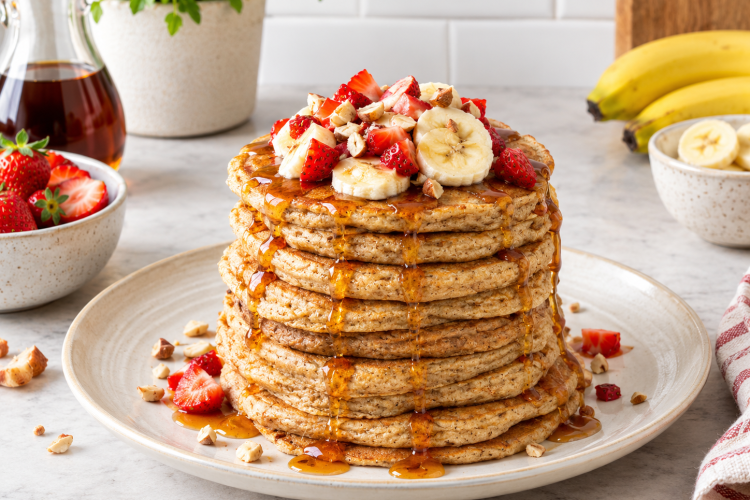
Once cooked, place a few pancakes on a plate and add your preferred toppings. You can keep them simple or build a more filling breakfast with fruit, yogurt, or syrup. Because the pancakes have a mild flavor, both fresh and sweet toppings can work well.
Topping Ideas
Fresh berries, sliced banana, plain yogurt, or a drizzle of maple syrup can complement the pancakes. You can also use a small amount of your favorite pancake syrup. The recipe itself is not heavily sweetened, so toppings can be adjusted according to how sweet you want breakfast to be.
Pairing With Fresh Fruit
Fresh fruit is an easy way to add color and freshness to a stack of oat pancakes. Strawberries, blueberries, raspberries, bananas, or sliced peaches can all work well. Fruit also adds natural sweetness, which can reduce the need for a large amount of syrup.
Adding Yogurt
A spoonful of yogurt can add another creamy element to the plate. Since cottage cheese is already part of the batter, yogurt pairs naturally with the pancakes without changing their basic flavor. You can place it on top of the stack or serve it on the side.
When to Make These Pancakes
These high protein pancakes are suitable for more than weekend breakfasts. Their short preparation time makes them practical for weekday mornings, while the simple ingredients make them easy to keep on hand. They can also be served as a quick breakfast before a busy day.
Pancakes Without Complicated Mixing
One advantage of this recipe is that there is no need to combine dry and wet ingredients in separate bowls. The blender handles the mixing and breaks down the oats at the same time. This means fewer dishes and less preparation, which can make homemade pancakes easier to fit into your routine.
Getting the Right Batter
The finished batter should be smooth after blending. If you follow the ingredient amounts and allow the batter to rest for 5 minutes, the oats will absorb some of the liquid and the mixture will be ready for the pan. Pouring ¼ cup at a time keeps the pancakes a consistent size.
Cooking at Medium Heat
Medium heat is important because the pancakes need enough time to cook through without becoming too dark on the outside. A pan that is too hot may brown the first side before the center is ready. Watch the edges and bubbles rather than relying only on the clock.
Avoiding Overcooking
The pancakes only need about 2 minutes on the first side and 1 minute after flipping. Cooking times can vary slightly depending on the pan and heat level, so use the visual signs as your main guide. Once the edges look set and bubbles appear, carefully flip the pancake.
Keeping the Texture Soft
The texture of these pancakes depends on both the blended oats and the way they are cooked. Avoid flattening the pancakes with a spatula after turning them. Letting them cook without pressure helps preserve the air pockets created by the baking powder.
Using Different Oats
If you use quick cooking or instant oats, add 3 extra tablespoons as specified in the original recipe. When using oat flour, lightly fill the measuring cup and remove 1 tablespoon. These adjustments help keep the batter closer to the intended consistency.
Baking Powder
Use aluminum-free baking powder as specified. Since the recipe uses 2 teaspoons and the pancake mixture has a mild flavor, regular baking powder containing aluminum may leave a noticeable metallic taste. The recommended type helps keep the finished pancakes tasting clean and pleasant.
Serving Ideas
Cooked pancakes can be served immediately with your favorite toppings and syrups. If you are making multiple batches, keep the cooked pancakes warm while finishing the remaining batter. Do not press the pancakes down while cooking, as this can make them less fluffy.
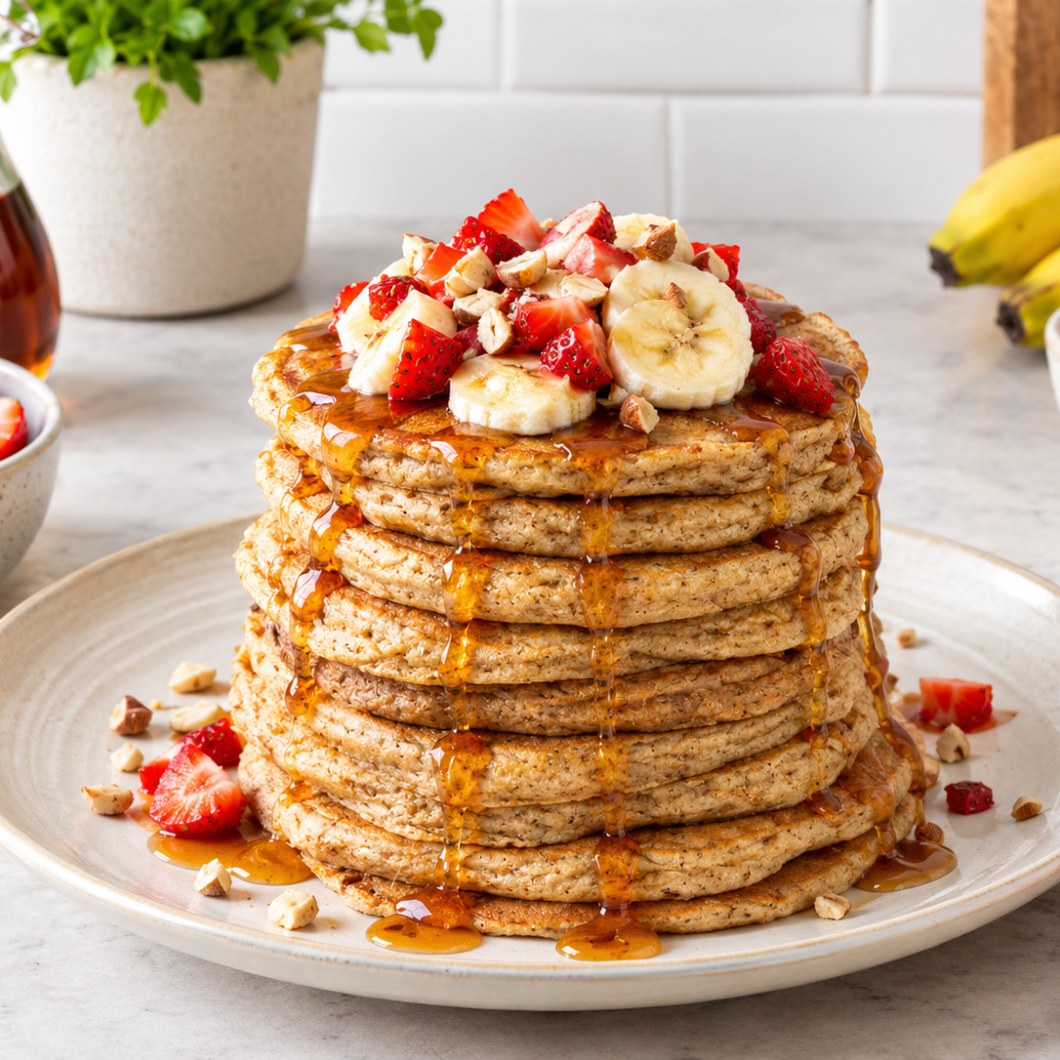
Oatmeal Cottage Cheese Pancakes
 Recipe by admin
These cottage cheese oat pancakes are a quick blender breakfast made with cottage cheese, eggs, old fashioned oats, vanilla, cinnamon, and baking powder.
2
servings5
minutes10
minutes307
kcal15
minutesIngredients
1 cup cottage cheese
2 large eggs
1 teaspoon vanilla extract
2 teaspoons aluminum-free baking powder
½ teaspoon cinnamon
1 cup old fashioned oats
Directions
- Add the cottage cheese, eggs, vanilla extract, baking powder, cinnamon, and old fashioned oats to a blender in the listed order. Blend on high for 45 seconds until the batter is smooth, then let it rest for 5 minutes. Heat a non-stick griddle or large pan over medium heat. Once hot, grease the pan and pour ¼ cup of batter for each pancake.
- Cook the pancakes for about 2 minutes on the first side, until the edges begin to look defined and bubbles form on the surface. Carefully flip each pancake and cook for about 1 minute on the other side. Do not press down on the pancakes after flipping because this can remove their air pockets.
- Remove the cooked pancakes from the pan and keep them warm while you finish cooking the remaining batter. Serve a few pancakes on each plate with your favorite toppings and syrups.
Nutrition Facts
- Calories: 307kcal
- Fat: 8g
- Carbohydrates: 33g
- Fiber: 5g
- Sugar: 4g
- Protein: 25g