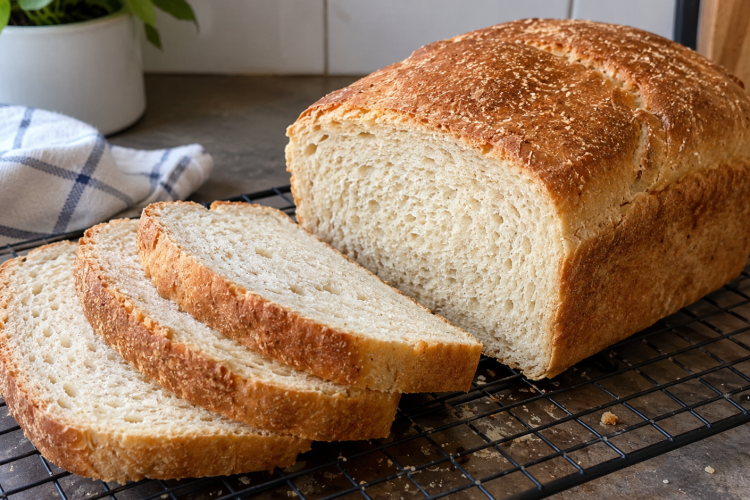
Soft sourdough sandwich bread is a wonderful choice for anyone who enjoys homemade bread with a fluffy texture, a tender crust, and a mild tangy flavor. Made with active sourdough starter, all-purpose flour, olive oil, honey, water, and sea salt, this loaf is ideal for everyday meals. Its close, even crumb makes it easy to slice, while the soft crust works well for sandwiches, breakfast toast, and simple snacks. If you want to bake homemade sourdough sandwich bread without complicated techniques, this recipe offers a practical way to get started.
One of the best things about this soft sourdough bread recipe is that it uses familiar ingredients and a stand mixer to handle most of the kneading. You do not need advanced baking skills or special sourdough equipment to make a successful loaf. The process is straightforward, although the dough needs enough time to ferment and rise naturally. Most of the preparation involves mixing the ingredients, allowing the dough to develop, shaping it into a loaf, and baking it until the inside is fully cooked and the crust is lightly golden.
What Makes This Sourdough Sandwich Bread Special?
Traditional sourdough bread often has a thick crust and an open, chewy crumb, but sandwich bread benefits from a softer texture and smaller air pockets. This recipe combines sourdough fermentation with olive oil and honey to create a loaf that is tender enough for everyday use. The olive oil helps keep the crumb soft, while the honey adds gentle sweetness. Together, these ingredients produce bread that pairs nicely with both savory fillings and sweet toppings without overpowering their flavors.
Another advantage is the flexibility of the fermentation schedule. The dough can rise overnight in a moderately cool kitchen, making it easier to fit bread baking around a busy routine. You can prepare the dough in the evening, leave it to ferment, and shape it the following morning. The second rise takes place in the loaf pan before baking. Although fermentation times depend on temperature and starter activity, this approach reduces hands-on work and allows the sourdough to develop its characteristic flavor naturally.
Why Use Sourdough Starter for Sandwich Bread?
An active sourdough starter is the main leavening ingredient in this recipe. It contains wild yeast and beneficial bacteria that develop during fermentation. When the starter is mixed with flour and water, these microorganisms help the dough expand while creating the distinctive flavor associated with sourdough baking. For a sandwich loaf, a healthy starter is especially important because it needs to raise a relatively enriched dough without relying on commercial yeast.
Sourdough fermentation also changes the structure and flavor of the dough over time. The acids and enzymes produced during fermentation influence the flour’s proteins and carbohydrates, which can affect the final bread’s texture and taste. Some people find long-fermented sourdough easier to tolerate than certain other breads, although individual responses vary and sourdough is not automatically suitable for people who must avoid gluten. For reliable results, feed your starter ahead of time and use it when it looks bubbly, has expanded noticeably, and shows signs of strong activity.
Ingredients That Give This Bread Its Soft Texture
Active sourdough starter
The starter provides the natural fermentation needed to make the loaf rise. For this recipe, prepare 50 grams of active starter using a small amount of existing starter, all-purpose flour, and water. Let the mixture rise until it has approximately doubled and appears airy. A starter that is weak, inactive, or recently taken straight from the refrigerator may take longer to ferment the dough. Measuring the starter by weight helps keep the recipe consistent from one baking session to another.
All-purpose flour
All-purpose flour makes this recipe accessible and economical while producing a soft, sliceable loaf. Its moderate protein content supports the dough structure without creating an excessively chewy result. Bread flour can also be used, although it may produce a slightly different texture because of its higher protein content. If you want to incorporate whole wheat flour, replace no more than half of the all-purpose flour with whole wheat flour as a starting point. Whole wheat flour absorbs more water, so the dough may need adjustments to maintain a workable consistency.
Olive oil
Olive oil contributes moisture and tenderness, helping the bread remain soft after baking. It also makes the recipe convenient for households that prefer not to use butter. Use a mild olive oil if you want the sourdough flavor to remain the main focus. Melted butter, ghee, or coconut oil can be substituted in equal amounts if you prefer a different flavor, but these changes may slightly affect the finished bread’s taste and texture.
Honey
Honey provides a mild sweetness that balances the sourdough’s tang. It also contributes to browning during baking, helping the loaf develop an appealing crust. If you prefer another sweetener, maple syrup or agave syrup can be used instead. Sugar is another option, although it does not add moisture in quite the same way as liquid sweeteners. The small quantity used here should not make the bread taste strongly sweet; instead, it gives the loaf a balanced flavor suitable for sandwiches, toast, and breakfast.
Water and sea salt
Water hydrates the flour, allowing the dough to come together and develop a flexible structure during mixing and fermentation. Use the measured amount as your starting point rather than adding extra water immediately, because the dough needs time to absorb the liquid during its initial rest. Sea salt strengthens flavor and helps regulate fermentation. Measuring the salt accurately is important: too little can make the bread taste flat, while too much can slow the starter’s activity and leave the loaf overly salty.
Equipment Needed for Homemade Sourdough Bread
A stand mixer fitted with a dough hook makes kneading easier and more consistent. After the ingredients are combined and rested, the mixer develops the gluten that helps the dough hold its shape and rise properly. If you do not own a stand mixer, you can knead the dough by hand on a clean work surface. The process will require more effort, but it is still possible to make a soft homemade loaf without specialized machinery.
A standard loaf pan is also essential for achieving the familiar shape of sandwich bread. A 9-by-5-inch pan or an 8-by-4-inch pan can work, although the loaf’s height and final shape will vary depending on the pan’s dimensions. A Pullman pan is another option if you prefer straighter sides and a more uniform sandwich loaf. Lightly grease the pan before adding the dough, or line it with parchment paper to make removing the baked bread easier.
Tips for a Better Soft Sourdough Loaf
Adjust the fermentation to your kitchen
Temperature has a major influence on sourdough rise times. In a kitchen below 68°F (20°C), the dough may need longer than the suggested overnight fermentation and second rise. A proofing box or a gently warm location can help provide more consistent conditions. In kitchens above 72°F (22°C), fermentation may happen more quickly, so check the dough periodically. If your dough regularly takes too long to rise, the recipe notes suggest trying 100 grams of active starter and reducing the water to 255 grams to help speed fermentation.
Avoid adding too much flour
A slightly tacky dough is not necessarily a problem. Adding excessive flour during mixing or shaping can make the finished loaf dry and dense. Allow the flour to absorb the water during the initial rest, and judge the dough after kneading before deciding whether it needs an adjustment. Use only a light dusting of flour on your work surface when shaping. If the dough is sticky because it has over-fermented, handle it gently rather than trying to correct the problem by adding large amounts of flour.
Storage, Freezing, and Serving Ideas
Store completely cooled sourdough sandwich bread at room temperature in a bread bag, beeswax wrap, or a clean kitchen towel. Keeping it protected from excessive air exposure helps preserve its softness, while allowing some air circulation can reduce trapped moisture. Homemade bread contains no preservatives, so its freshness depends on your kitchen conditions and storage method. Check the loaf before eating and discard it if you notice mold or an unusual smell. Refrigeration is generally not the best choice for maintaining a soft bread texture because it can speed up staling.
Freezing is a convenient way to preserve a loaf when you do not expect to finish it within a few days. Once the bread has cooled completely, wrap the loaf or individual slices securely and place them in a freezer-safe container or bag. Freezing slices separately makes it easy to remove only what you need. Let slices thaw at room temperature or warm them directly in a toaster, depending on their thickness. This approach helps reduce waste and gives you homemade sandwich bread ready for quick breakfasts and lunches.
This soft sourdough bread pairs well with egg sandwiches, cheese, grilled vegetables, chicken, or fresh salad fillings. It is equally suitable for toast topped with peanut butter, jam, honey, or mashed avocado. The mild tang adds character without competing with the other ingredients, and the tender crumb makes it practical for lunchboxes and everyday family meals. You can also use slightly stale slices for French toast or toasted breadcrumbs, giving leftover bread a useful second purpose rather than throwing it away.
Frequently Asked Questions
Why is my sourdough sandwich bread not rising?
Slow fermentation is often caused by a cool kitchen or a starter that is not sufficiently active. Make sure your starter has been fed and is bubbly before mixing the dough. Allow extra time if the room is cold, and avoid judging readiness by the clock alone. If the starter consistently struggles to raise dough, it may need several regular feedings before it becomes strong enough for reliable baking.
Can I make this bread without a stand mixer?
Yes. Mix the ingredients with a sturdy spoon or spatula, let the dough rest for one hour, and then knead it by hand until it becomes more elastic. Hand kneading requires more effort, but the essential fermentation and shaping steps remain the same. Focus on developing a cohesive dough instead of adding flour whenever it feels slightly sticky.
Can I use whole wheat flour?
Yes, but start by replacing no more than half of the all-purpose flour with whole wheat flour. Whole wheat flour absorbs more water and can produce a denser loaf, so the texture may differ from the original version. Keep an eye on the dough’s consistency and make small hydration adjustments only when needed.
What should I do if my dough over-proofs overnight?
Over-proofed dough may become very soft, sticky, and difficult to shape because its structure has weakened. Rather than automatically discarding it, consider repurposing it as sourdough focaccia, where the dough can be gently transferred to a prepared pan. For your next loaf, use a cooler fermentation location or adjust the timing to prevent the dough from rising too far before shaping.
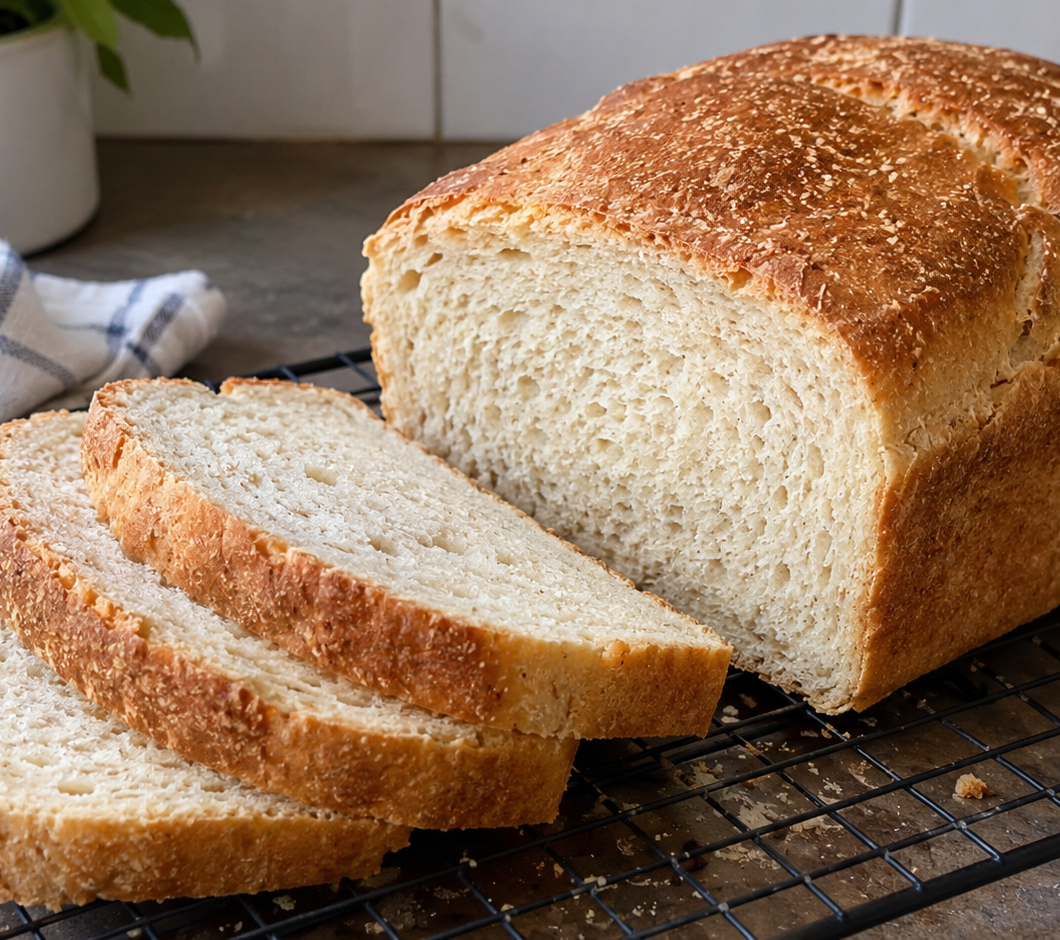
Soft Sourdough Sandwich Bread
 Recipe by admin
A soft, fluffy homemade sourdough sandwich bread made with all-purpose flour, active sourdough starter, olive oil, honey, and sea salt.
12
servings20
minutes45
minutes198
kcal10
hours11
hours5
minutesIngredients
- For the Active Sourdough Starter
2 teaspoons (10 g) sourdough starter
3 tablespoons (25 g) all-purpose flour
5 teaspoons (25 g) water
- For the Bread Dough
¼ cup (50 g) active sourdough starter
1 cup + 2½ tablespoons (275 g) water
4 tablespoons (60 g) olive oil
1 tablespoon honey
4 cups + 2 tablespoons (500 g) all-purpose flour
2 teaspoons (10 g) sea salt
Directions
- Approximately 12 hours before mixing the dough, combine the sourdough starter, all-purpose flour, and water in a clean jar. Stir well, cover loosely, and leave at room temperature (68–72°F or 20–22°C) until doubled and bubbly.
- Add the active sourdough starter, water, olive oil, honey, all-purpose flour, and sea salt to a stand mixer bowl. Mix with a sturdy spatula or dough whisk until no dry flour remains. Cover and let the dough rest for one hour.
- Fit the mixer with a dough hook and knead on low speed for 8–10 minutes, until the dough becomes cohesive and elastic.
- Cover the bowl and let the dough ferment at room temperature for approximately 10–12 hours, or until it has doubled in size.
- Transfer the dough to a lightly floured surface and gently flatten it into a rectangle. Fold the left and right sides toward the center, then roll the dough into a log. Pinch the seams closed and place the dough seam-side down in a lightly greased loaf pan.
- Leave the dough at room temperature for approximately 2–3 hours, or until it rises about one inch above the rim of the pan. Adjust the timing according to your kitchen temperature.
- Preheat the oven to 450°F (232°C).
- Place the loaf in the oven and immediately reduce the temperature to 375°F (190°C). Bake for 45–50 minutes, until the loaf is cooked through and the crust is lightly golden.
- Let the bread rest in the pan for 10–15 minutes. Transfer it to a cooling rack and allow it to cool completely before slicing.
Notes
- Below 68°F (20°C), fermentation may take longer. If the dough rises too slowly, the suggested adjustment is 100 g active starter and 255 g water.
- Above 72°F (22°C), the dough may rise faster. Monitor it carefully to prevent over-proofing.
- Bread flour may be used. For whole wheat bread, replace no more than half of the all-purpose flour and adjust the hydration if necessary.
- Maple syrup or agave syrup can replace honey. Sugar can also be used.
- Melted butter, ghee, or coconut oil can replace olive oil in equal amounts.
- If the dough becomes excessively sticky after rising too long, consider using it to make sourdough focaccia.
- Keep cooled bread in a bread bag, beeswax wrap, or kitchen towel at room temperature.
- Wrap the completely cooled loaf or individual slices securely and store in a freezer-safe container.
- Wait until the loaf has cooled completely to help maintain its soft crumb and prevent gummy slices.
Nutrition Facts
- Total number of serves: 1
- Calories: 198kcal
- Fat: 5g
- Carbohydrates: 33g
- Protein: 4g