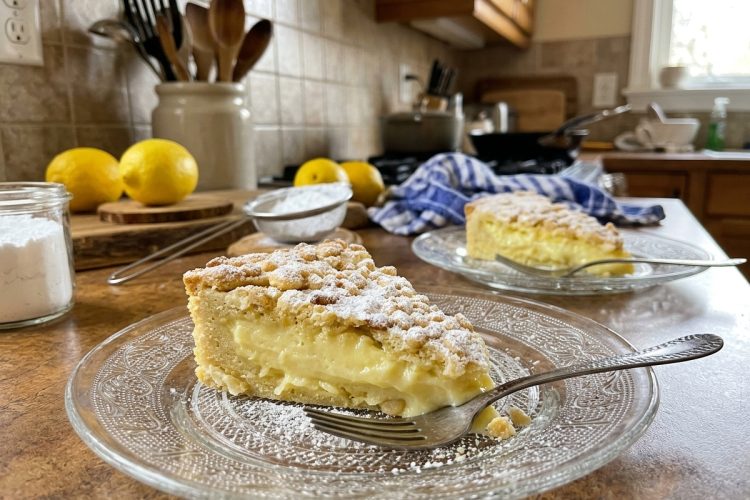
Torta della Nonna is a traditional Italian dessert made with a delicate, buttery shortcrust pastry and a rich, smooth vanilla pastry cream filling. Its name translates to “Grandmother’s Cake,” and it is a well-loved dessert throughout Italy. This beautiful Italian custard tart is usually finished with a generous scattering of pine nuts and a light dusting of powdered sugar. Once baked, the pastry becomes lightly golden while the creamy filling develops a deliciously soft texture that makes every slice enjoyable.
Although the name suggests a dessert passed down through generations of Italian grandmothers, Torta della Nonna is believed to have originated in a restaurant kitchen before becoming popular in Italian homes and bakeries. Today, it is enjoyed as a traditional homemade dessert, particularly after family lunches and special meals. Its simple ingredients, comforting flavor, and attractive appearance have helped make it one of Italy’s most recognizable custard-based pastries.
What makes this Italian grandmother’s cake special is the balance between its different textures and flavors. The shortcrust pastry is tender and buttery, with a gentle hint of fresh lemon zest that gives it a pleasant fragrance. Inside, the vanilla pastry cream is thick, silky, and rich without being overly heavy. The pine nuts add a delicate crunch, while powdered sugar provides a simple finishing touch.
This Italian Custard Tart
One of the best things about Torta della Nonna is that it tastes like a dessert from a traditional Italian bakery but can be prepared in your own kitchen using everyday ingredients. You do not need complicated baking equipment or unusual ingredients to make it. Basic pantry staples such as flour, butter, sugar, eggs, milk, and vanilla extract come together to create a dessert that looks impressive and tastes wonderful.
The homemade pastry is another reason this recipe deserves a place in your baking collection. Unlike some tart crusts that become hard or overly crisp, this shortcrust pastry has a delicate texture that breaks apart easily when sliced. Cold butter helps create a tender consistency, while the egg and egg yolk bring the dough together. Lemon zest adds a light citrus flavor that complements the sweetness of the creamy filling.
The pastry cream is equally important because it gives the tart its signature character. Made with whole milk, egg yolks, sugar, flour, and vanilla extract, the filling becomes thick and creamy as it cooks. It has a smooth consistency similar to homemade vanilla pudding, but its flavor is richer and more suitable for filling a traditional Italian tart.
Another advantage is that the pastry and filling can be prepared ahead of time. This makes Torta della Nonna a practical choice when planning a family gathering, holiday meal, or dinner with guests. Once assembled and baked, the tart only needs time to cool before serving. A little preparation in advance makes the entire baking process easier.
How to Make Homemade Italian Pastry Cream
The pastry cream should be prepared first because it needs enough time to cool before being added to the crust. Begin by warming the whole milk and vanilla extract in a medium saucepan until the mixture just reaches boiling point. Remove the saucepan from the heat and allow the milk to cool slightly while preparing the egg mixture.
In a separate bowl, whisk the egg yolks and granulated sugar until the mixture becomes lighter and creamy. Add the all-purpose flour and stir until everything is combined. Gradually pour the warm milk into the egg mixture while whisking continuously. Adding the milk slowly helps bring the eggs up to temperature without cooking them too quickly, which reduces the chance of lumps or scrambled pieces forming.
Strain the combined mixture back into the saucepan to remove any unwanted lumps. Return the saucepan to medium heat and stir continuously until the custard begins to thicken. Allow it to boil for approximately one full minute so the flour cooks properly. This step is important because it removes the raw flour taste and gives the pastry cream the thickness needed to hold its shape inside the tart.
Transfer the finished pastry cream into a clean bowl and cover the surface directly with plastic wrap. Pressing the wrap against the custard prevents a skin from developing as it cools. Allow the filling to cool completely before assembling the tart. Warm pastry cream can soften the shortcrust dough, making the assembly more difficult and affecting the final texture.
Assembling the Torta Della Nonna
Once the pastry cream has cooled and the dough has chilled, it is time to assemble the Italian custard tart. Start by soaking the pine nuts in a small bowl of water. This simple preparation helps reduce the chance of the nuts becoming too dark or burning during baking. Preheat the oven to 350°F (180°C) and grease a 10-inch (25 cm) tart pan with a removable base.
Divide the chilled dough into two portions, keeping one slightly larger than the other. The larger portion will form the bottom and sides of the tart, while the smaller portion will cover the filling. Return the smaller piece to the refrigerator so it stays firm while you prepare the base.
Place the larger piece of dough between two sheets of parchment paper. Roll it gently into a circle large enough to cover the tart pan. Dust lightly with flour if necessary to prevent sticking. Keeping parchment paper above and below the dough makes this step easier because the pastry can be transferred without excessive handling.
Carefully lift the rolled pastry into the prepared pan and remove the parchment paper. Gently press it into the bottom and corners, allowing it to cover the sides evenly. If small cracks or tears appear, use leftover pastry to repair them. Trim any excess dough around the edges and reserve the remaining pieces for the top crust.
Spoon the completely cooled pastry cream into the prepared base. Spread it evenly with a spatula so the filling reaches the edges without leaving large gaps. Roll out the remaining dough between parchment sheets and carefully place it over the custard. Press the edges together to seal the tart and trim away any excess pastry.
Make a small slit in the center of the top crust to allow steam to escape during baking. Brush the surface lightly with water, drain the soaked pine nuts, and scatter them evenly across the top. The tart is now ready to bake.
Baking Until Golden and Delicious
Place the assembled tart in the preheated oven and bake for approximately 40 minutes. During baking, the shortcrust pastry will become golden while the pine nuts develop a lightly toasted appearance. The filling will also heat through and settle inside the pastry layers. Keep an eye on the top during the final part of baking because ovens can vary in temperature.
If the surface becomes darker than expected before the baking time is complete, loosely cover the tart with aluminum foil and continue baking. This protects the pine nuts and pastry from excessive browning while allowing the center to finish cooking. Avoid opening the oven repeatedly because sudden temperature changes can affect the baking process.
When the tart is ready, remove it from the oven and allow it to cool. Do not rush to remove it from the pan while it is still hot because the pastry can be delicate. Once sufficiently cooled, carefully release the removable base and transfer the tart to a serving plate. Finish with a generous dusting of powdered sugar.
Notes for Perfect Results
A few simple techniques can make a noticeable difference when preparing homemade Torta della Nonna. Pay attention to the temperature of the ingredients, the consistency of the pastry cream, and the way the dough is handled. These details help prevent common baking problems and make the entire process more manageable.
Temper the Eggs Slowly
Always add the warm milk gradually to the egg yolks and sugar while whisking continuously. Adding all the milk at once can heat the eggs unevenly and create unwanted lumps. Taking a little extra time during this step helps produce smooth pastry cream.
Cook the Pastry Cream Properly
Allow the filling to boil for approximately one full minute after it thickens. This ensures that the flour cooks completely and helps the custard reach the correct consistency. Do not remove it from the heat as soon as it begins to thicken.
Avoid Overworking the Dough
Shortcrust pastry should be handled gently. Unlike bread dough, it does not need extensive kneading. Overworking can make the crust firm and less tender after baking. Bring the ingredients together only until a smooth, manageable dough forms.
Keep the Pastry Chilled
Cold dough is easier to roll, transfer, and shape inside the tart pan. If it becomes too soft or sticky while working, place it back in the refrigerator for approximately 30 minutes before continuing. Use parchment paper and a light dusting of flour to prevent sticking.
Protect the Pine Nuts
Soaking the pine nuts in water for approximately five minutes before adding them to the tart helps prevent excessive browning. If the top crust becomes too dark during baking, loosely cover it with aluminum foil and allow the remaining baking time to finish.
Frequently Asked Questions
Can I Make Torta Della Nonna Ahead of Time?
Yes. Both the pastry dough and pastry cream can be prepared one day ahead and stored in the refrigerator. Keep them covered properly until you are ready to assemble the tart. When using chilled dough, remove it from the refrigerator approximately 15 minutes before rolling if it is too firm to handle comfortably.
Can I Make the Pastry Without a Food Processor?
Absolutely. A food processor makes the preparation quicker, but it is not essential. Rub the cold butter into the flour, lemon zest, baking powder, and salt using your fingertips until the mixture resembles breadcrumbs. Add the sugar, egg, and egg yolk, then combine gently until a dough forms.
Does the Tart Crust Need Blind Baking?
No. The shortcrust pastry does not need to be blind-baked for this recipe. The pastry cream is already thick before it is added to the tart shell, so the filling does not contain excessive liquid. You can assemble the tart directly in the prepared pan and bake it according to the instructions.
How Long Does Torta Della Nonna Last?
Once baked and cooled, Torta della Nonna can be stored in the refrigerator for approximately four to five days. Place it on a covered plate or inside an airtight container to protect the pastry and filling. Keep it refrigerated because the custard contains milk and eggs.
Can I Freeze Torta Della Nonna?
Freezing is not recommended for this dessert. The pastry cream can separate after thawing, which changes its smooth and creamy consistency. The pastry may also lose some of its original texture. For the best results, prepare the tart fresh or make the pastry and filling ahead of time and refrigerate them separately.
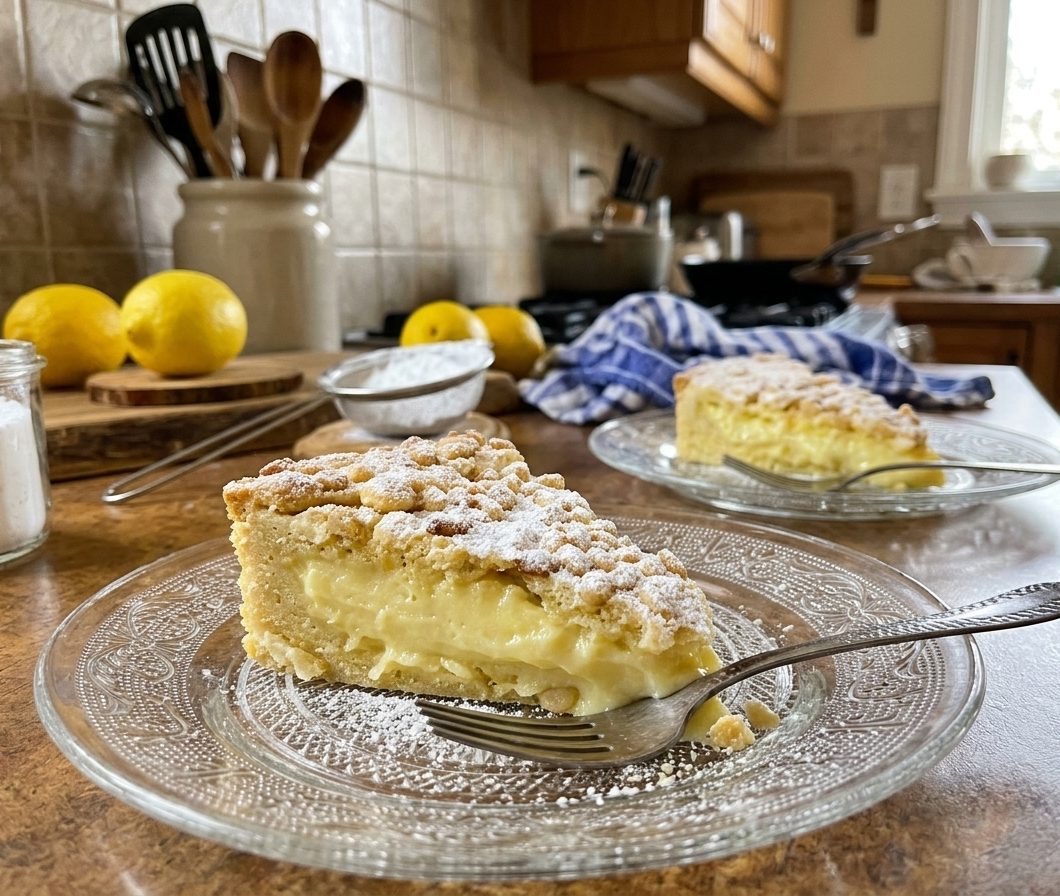
Torta della Nonna Dessert
 Recipe by admin
Torta della Nonna is a traditional Italian custard tart featuring a tender, buttery shortcrust pastry filled with smooth vanilla pastry cream.
12
servings30
minutes40
minutes323
kcal60
minutes2
hours10
minutesIngredients
- Pastry Cream Filling
2½ cups (590 ml) whole milk
2 teaspoons vanilla extract
4 egg yolks
¾ cup (150 grams) granulated white sugar
¼ cup (30 grams) all-purpose (plain) flour
- Shortcrust Pastry
2½ cups (300 grams) all-purpose flour plus extra for rolling
1 teaspoon lemon zest
¾ teaspoon baking powder
Pinch salt
6 ounces (1½ sticks / 170 grams) cold unsalted butter cut into small chunks
⅔ cup (130 grams) granulated white suga
1 egg
1 egg yolk
1 tablespoon pinenuts
- To Finish
Powdered (icing) sugar for dusting
Directions
- Heat the milk and vanilla extract in a medium saucepan until it just comes to a boil. Remove from the heat and allow it to cool slightly.
- In a medium bowl, whisk the egg yolks and sugar until light and creamy. Add the flour and mix until combined.
- Gradually pour the warm milk into the egg mixture while whisking continuously to prevent lumps.
- Strain the mixture back into the saucepan. Return to medium heat and stir until thickened. Allow it to boil for approximately one minute.
- Transfer the pastry cream into a clean bowl. Cover the surface directly with plastic wrap and allow it to cool completely.
- Add the flour, lemon zest, baking powder, salt, and cold butter to a food processor. Pulse until the mixture resembles breadcrumbs.
- Add the sugar, egg, and egg yolk. Process briefly until the mixture begins to come together.
- Transfer the dough to a work surface and gently bring it together. Add a little extra flour if it feels very sticky.
- Shape the dough into a thick round, wrap in plastic wrap, and refrigerate for one hour.
- Soak the pine nuts in a small bowl of water.
- Preheat the oven to 350°F (180°C). Grease a 10-inch (25 cm) tart pan with a removable base using nonstick cooking spray.
- Divide the chilled dough into two portions, keeping one slightly larger. Return the smaller portion to the refrigerator.
- Flatten the larger portion into a rough circle and dust lightly with flour.
- Roll the dough between two sheets of parchment paper until large enough to cover the tart pan.
- Carefully transfer the pastry into the pan. Press it gently into the bottom and sides, trim the excess, and reserve the leftover dough.
- Spoon the cooled pastry cream into the prepared pastry base and spread it evenly.
- Roll out the remaining dough between parchment sheets and place it over the filling. Seal the edges and trim away excess pastry.
- Make a small slit in the center of the top crust and brush the surface lightly with water.
- Drain the pine nuts and sprinkle them over the top.
- Bake in the preheated oven for approximately 40 minutes until golden.
- Remove from the oven and allow the tart to cool. Carefully release it from the pan and transfer it to a serving plate.
- Dust generously with powdered sugar and serve at room temperature or chilled.
Notes
- Add warm milk gradually to the egg mixture while whisking to prevent curdling.
- Boil the pastry cream for a full minute to cook the flour properly.
- Do not overwork the shortcrust pastry, as this can make it tough.
- Keep the dough chilled for easier rolling and handling.
- Use parchment paper above and below the dough to prevent sticking.
- Soak the pine nuts for approximately five minutes to help prevent burning.
- If the top becomes too dark during baking, cover loosely with aluminum foil.
- Both the pastry cream and dough can be prepared one day ahead.
- Store the finished tart covered in the refrigerator for four to five days.
- Freezing is not recommended because the pastry cream may separate after thawing.
Nutrition Facts
- Calories: 323kcal
- Fat: 15g
- Carbohydrates: 42g
- Sugar: 24g
- Protein: 6g