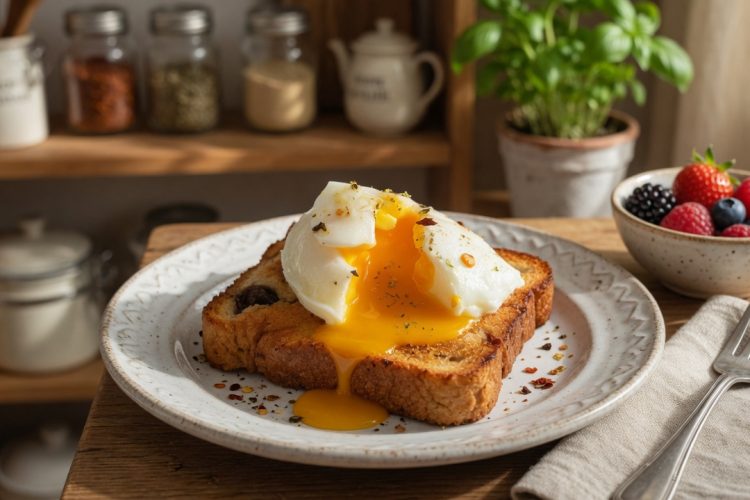
Air fryer poached eggs offer a simple way to cook poached eggs without watching a pot of boiling water on the stove. This method produces eggs with tender whites and creamy yolks using just a few minutes in the air fryer. Instead of dealing with swirling water and vinegar, you cook the eggs in small ramekins with a bit of hot water.
The air fryer does all the work while you prepare the rest of your breakfast. There is no messy cleanup afterward since you avoid large pots of water that need draining and cleaning.
Why Air Fryer Poached Eggs Work So Well
Traditional poached eggs require careful attention to water temperature, gentle swirling, and perfect timing. The air fryer method simplifies everything by creating consistent heat around the ramekins. Each egg cooks in its own small dish, so you get perfectly shaped poached eggs every time. The hot water in the ramekin creates steam that cooks the egg gently from all sides.
You can cook one egg or multiple eggs at the same time without any extra effort. This makes breakfast preparation faster and more predictable, especially when cooking for several people at once.
Equipment You Need for Success
The right equipment makes this recipe even easier. You need an air fryer with a temperature setting that goes to three hundred fifty degrees Fahrenheit or one hundred seventy-seven degrees Celsius. Small ramekins that fit inside your air fryer basket are essential. Most four-ounce ramekins work well and fit comfortably in standard air fryers.
You also need cooking spray or oil for greasing the ramekins. A rubber spatula helps remove the cooked eggs without breaking the delicate yolks. Having a small measuring cup makes pouring the hot water into each ramekin more precise and prevents spilling.
Choosing and Preparing Your Eggs
Fresh eggs work best for poached eggs because the whites hold together better. Older eggs have thinner whites that spread more during cooking. Look for eggs with firm whites and bright yolks. Bring the eggs to room temperature before cooking if possible, as cold eggs take slightly longer to cook. Crack each egg into a small bowl first before transferring to the ramekin. This prevents shells from getting into your poached egg and lets you check that the yolk is intact. Gentle handling keeps the yolk centered and prevents breaking.
Preparing the Ramekins Properly
Proper ramekin preparation prevents the cooked eggs from sticking. Preheat your air fryer to three hundred fifty degrees Fahrenheit for about three minutes before adding the ramekins. While the air fryer heats, spray or brush oil inside each ramekin. Make sure to coat the bottom and sides thoroughly. Use your finger or a brush to spread the oil evenly around all surfaces. The oil creates a non-stick surface that allows the finished egg to slide out easily. Without enough oil, the egg whites will stick to the ceramic and tear when you try to remove them.
Adding Water for Steam Cooking
Hot water is the key to cooking the eggs properly in the air fryer. Pour three to four tablespoons of hot water into each prepared ramekin. Using hot water instead of cold speeds up the cooking process and helps the eggs cook more evenly. The water creates steam inside the ramekin that gently cooks the egg whites and yolk. Too little water may not create enough steam, while too much water can make the eggs float and cook unevenly. The right amount keeps the egg stable while providing sufficient steam for even cooking all around.
Cracking Eggs Into Ramekins
Gently crack one egg into each prepared ramekin that already contains the hot water. Hold the egg close to the water surface to prevent the yolk from breaking when it drops. The egg should sit in the center of the ramekin with the yolk intact. If the yolk breaks, you can still cook the egg, but it will not have the classic poached egg appearance. Once the egg is in the ramekin, place it carefully into the air fryer basket. You can cook multiple eggs at once as long as the ramekins fit without touching each other in the basket.
Understanding Cooking Times for Different Yolk Textures
Cooking time determines whether your yolk is runny or firm. For a runny yolk with soft but cooked whites, cook for five minutes. This gives you a liquid yolk that flows when you cut into it. For a medium-runny yolk with nicely cooked whites, cook for six to seven minutes. The yolk will be mostly liquid but slightly thickened. For a firmer but still soft yolk, cook for seven to eight minutes. The yolk will be creamy but not completely liquid. For a hard yolk with fully cooked whites, cook for eight to ten minutes. The yolk will be completely set and crumbly.
Monitoring the Cooking Process
Once you place the ramekins in the preheated air fryer, set the timer based on your preferred yolk doneness. The air fryer circulates hot air around the ramekins, cooking the eggs evenly. You do not need to flip or rotate the ramekins during cooking. The first time you make air fryer poached eggs, check them at the minimum cooking time for your preferred doneness. If they need more time, add thirty seconds to one minute and check again. Different air fryer models may vary slightly in cooking time, so adjusting based on your specific appliance ensures perfect results every time.
Removing Eggs From the Air Fryer
When the timer goes off, carefully remove the ramekins from the air fryer using oven mitts or tongs. The ramekins will be very hot, so handle them with care. Place them on a heat-safe surface and let them sit for about thirty seconds. This brief resting period allows the eggs to finish cooking from residual heat and makes them easier to remove. The water in the ramekin will still be hot, so be careful not to spill it. Keeping the ramekins steady while you work prevents accidents and keeps your eggs intact.
Getting Eggs Out of Ramekins Without Breaking
Use a rubber spatula to gently pry the cooked egg away from the sides of the ramekin. Start by running the spatula around the entire edge to loosen the egg. Tilt the ramekin slightly and use the spatula to lift the egg from underneath. If the egg sticks stubbornly, run a thin knife around the edge to help release it. Once loosened, carefully tip the egg onto a plate or directly onto prepared toast. The egg should slide out in one piece with the yolk still intact. Work slowly and gently to avoid breaking the delicate egg white or puncturing the yolk.
Serving Ideas for Poached Eggs
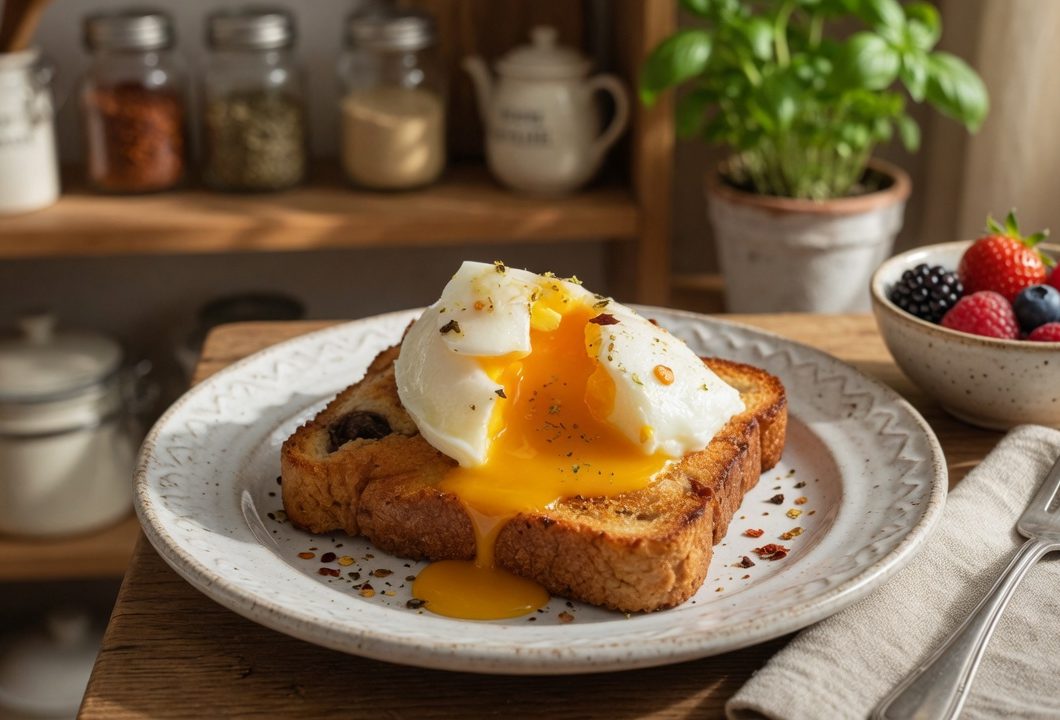
Air fryer poached eggs work wonderfully in many breakfast dishes. Place them on top of buttered toast for a simple breakfast. Serve them over avocado toast for a healthy meal with good fats and protein. Use them to top English muffins for eggs Benedict, adding hollandaise sauce and Canadian bacon or smoked salmon. Place poached eggs on top of grain bowls with quinoa, vegetables, and your favorite toppings. Add them to breakfast salads for extra protein. Put them on top of hash browns or roasted potatoes for a hearty breakfast. The runny yolk acts as a natural sauce for whatever you serve underneath.
Seasoning Options Beyond Salt and Pepper
While salt and pepper are classic seasonings for poached eggs, many other options add flavor. Sprinkle everything bagel seasoning for a savory touch with sesame seeds, garlic, and onion. Add red pepper flakes for a bit of heat. Try fresh herbs like chives, parsley, or dill for brightness. Dust with smoked paprika for a smoky flavor. Drizzle with hot sauce or sriracha if you like spicy food. Add a small amount of truffle salt for a fancy touch. Grated parmesan cheese melts slightly on the hot egg and adds savory depth. Each seasoning option changes the flavor profile while keeping preparation simple.
Making Multiple Eggs at Once
One advantage of the air fryer method is the ability to cook several eggs simultaneously. Most air fryers can fit two to four ramekins depending on the basket size. Arrange the ramekins so they do not touch each other, allowing air to circulate properly around each one. All eggs will cook at the same rate as long as they start at the same temperature and the ramekins are the same size. This makes the air fryer method perfect for cooking breakfast for a family or preparing multiple eggs for meal prep. You get consistent results across all eggs without needing to cook them one by one.
Meal Prep Applications for Busy Mornings
Air fryer poached eggs can be part of your meal prep routine. Cook several eggs at once and store them in the refrigerator for up to two days. Place each cooled poached egg in a small container with a lid. When ready to eat, reheat gently in the microwave for about thirty seconds or place in hot water for one minute. The eggs will not be quite as perfect as freshly made ones, but they still taste good and save time on busy mornings. Use them in breakfast bowls, on toast, or in salads throughout the week.
Comparing Air Fryer Method to Stovetop Poaching
Traditional stovetop poaching requires a pot of simmering water, often with vinegar added to help the whites set. You must swirl the water and gently drop the egg into the center, then monitor it carefully to prevent overcooking. The air fryer method eliminates all these steps. You do not need vinegar, swirling water, or constant monitoring. The ramekins keep each egg separate and perfectly shaped. Cleanup is easier because you only wash the small ramekins instead of a large pot. The results are more consistent, especially for beginners who struggle with traditional poaching techniques.
Why Temperature Control Matters
Setting the air fryer to the correct temperature is important for proper cooking. Three hundred fifty degrees Fahrenheit provides enough heat to cook the eggs through without making them rubbery. Higher temperatures cook the whites too quickly, creating tough edges before the yolk cooks. Lower temperatures take too long and may not cook the whites completely. If your air fryer only has preset buttons without specific temperature controls, use the air fry or air crisp setting, which typically operates around this temperature range. Consistent temperature produces consistent results every time you make poached eggs.
Troubleshooting Common Problems
If your eggs stick to the ramekins, you likely did not use enough oil. Make sure to coat all surfaces thoroughly before adding the water and egg. If the whites are undercooked while the yolk is perfect, add one minute to your cooking time. If the yolk is too firm for your preference, reduce cooking time by one minute next time. If the egg white spreads too much in the ramekin, your eggs may not be fresh enough. Use fresher eggs for better white consistency. If water splashes during cooking, you used too much water. Reduce to three tablespoons per ramekin.
Health Benefits of Poached Eggs
Poached eggs are one of the healthiest ways to prepare eggs because they require minimal added fat. Unlike fried eggs that cook in butter or oil, poached eggs cook in water with just a light coating of oil in the ramekin. Each large egg contains about six grams of protein and provides vitamins and minerals including vitamin D, vitamin B12, and selenium. The yolk contains healthy fats and important nutrients like choline. Eggs keep you full for hours, making them an excellent breakfast choice for weight management. The air fryer method preserves all these nutritional benefits while making preparation easier.
Using Different Types of Oil
The type of oil you use affects flavor slightly. Ghee butter adds a rich, nutty taste and works well at high temperatures. Regular butter can burn at air fryer temperatures, so ghee is a better choice if you want butter flavor. Olive oil spray provides a neutral taste and works perfectly for most people. Coconut oil spray adds a subtle coconut flavor that some people enjoy. Avocado oil has a high smoke point and neutral flavor, making it another good option. Any cooking spray or oil works as long as it coats the ramekins well to prevent sticking.
Adjusting for Different Air Fryer Models
Air fryers vary in how they circulate heat and maintain temperature. Basket-style air fryers work well for this recipe because ramekins sit directly in the basket. Oven-style air fryers with racks also work but may require slightly longer cooking times. Smaller air fryers heat up faster and may cook eggs more quickly. Larger models may need an extra minute. The first time you make poached eggs in your specific air fryer, start checking at the minimum time and add more as needed. Once you determine the perfect timing for your model, you can use that time consistently for future batches.
Storage and Reheating Instructions
If you have leftover poached eggs, store them properly to maintain quality. Let the eggs cool completely before storing. Place each egg in a small airtight container and refrigerate for up to two days. To reheat, place the egg in a bowl of hot water for about one minute until warmed through. You can also microwave for twenty to thirty seconds on fifty percent power. Avoid high heat when reheating because it will continue cooking the yolk and may make it hard. Reheated poached eggs work well in grain bowls or on toast where the texture change is less noticeable.
Adding Poached Eggs to Other Dishes
Beyond breakfast, poached eggs enhance many meals throughout the day. Top a lunch salad with a poached egg for added protein. The runny yolk creates a creamy dressing when broken. Add poached eggs to ramen or other soup for extra richness. Place them on top of pizza after baking for a breakfast pizza variation. Use them to top pasta dishes where the yolk creates a sauce. Add them to rice bowls with vegetables and protein for a complete meal. Put them on burgers for a special brunch burger. The versatility of poached eggs makes them useful for any meal where you want added protein and richness.
Why This Method Works for Beginners
Many people avoid making poached eggs because traditional methods seem difficult. The air fryer method removes most of the challenge. You do not need to judge water temperature, create a whirlpool, or time everything perfectly. The ramekins contain the eggs so they cannot spread or fall apart. The consistent heat of the air fryer cooks them evenly without guesswork. Even if you have never made poached eggs before, this method produces good results on the first try. Once you master the basic technique, you can easily adjust cooking times to get exactly the yolk texture you prefer.
AIR FRYER POACHED EGG
 Recipe by admin
Quick and easy poached eggs made in the air fryer with perfectly cooked whites and creamy yolks. This method requires no boiling water or vinegar and produces consistently shaped eggs every time.
2
eggs3
minutes5
minutes8
minutesIngredients
2 large eggs
Oil spray (ghee butter, olive oil, or cooking spray)
6 tablespoons hot water (3 tablespoons per ramekin)
Salt and pepper to taste
Toast (optional for serving)
Directions
- Preheat the air fryer to 350°F (177°C) for 3 minutes using the air fry or air crisp setting.
- Spray oil into each ramekin and rub around the edges and bottom with your finger or a brush to coat all surfaces thoroughly.
- Pour 3 tablespoons of hot water into each prepared ramekin.
- Gently crack one egg into each ramekin, keeping the yolk intact and centered.
- Place the ramekins directly into the air fryer basket without touching each other. Cook for 5-7 minutes depending on desired yolk doneness (see cooking times below).
- Remove ramekins carefully from the air fryer using oven mitts. Use a rubber spatula to gently loosen the eggs from the sides. If stuck, run a knife around the edge. Transfer eggs to a plate or toast and season with salt and pepper.