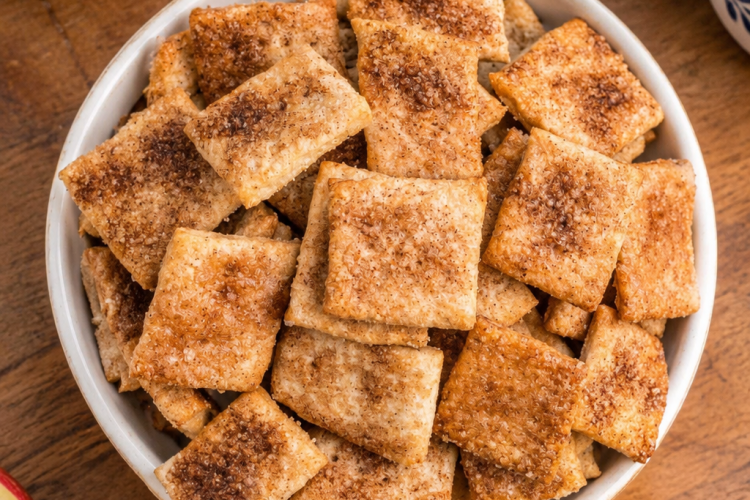
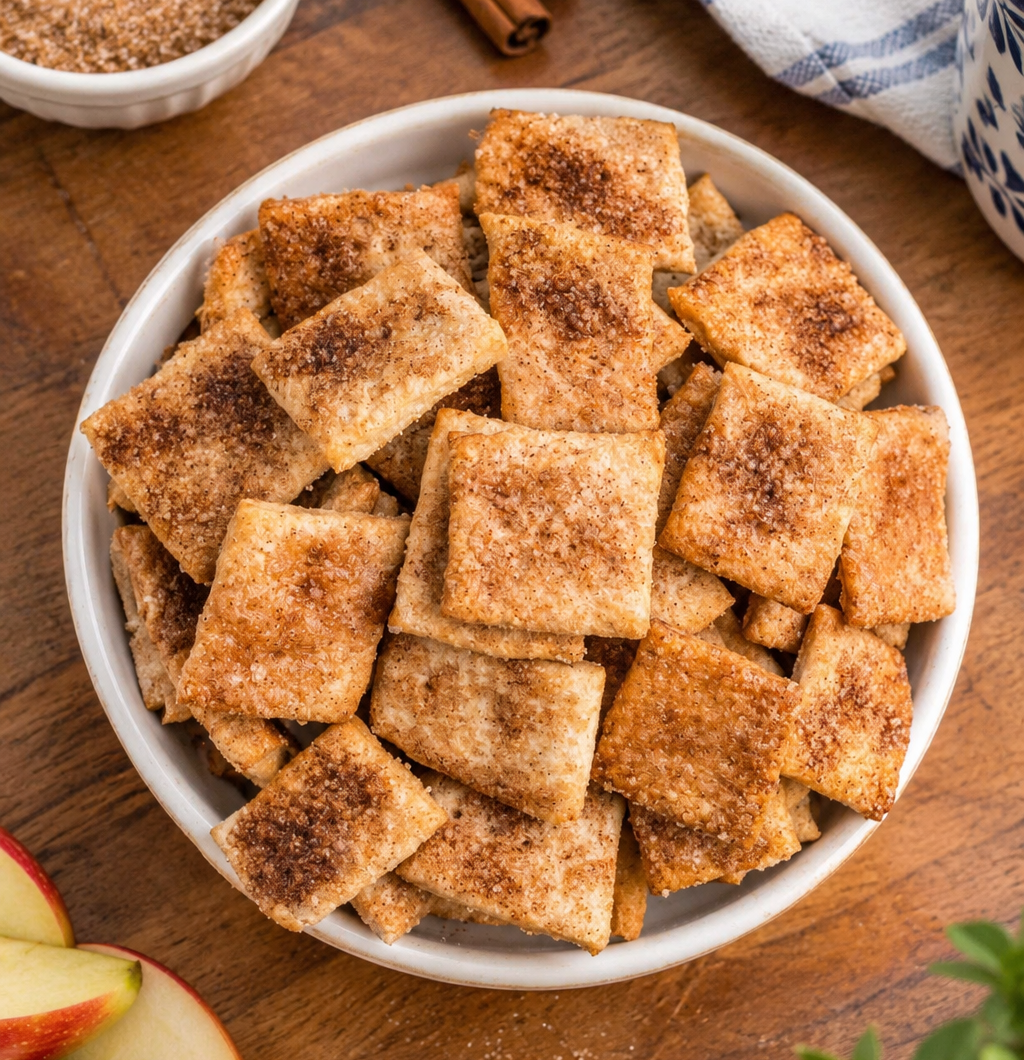
Cinnamon sugar sourdough crackers are a delicious way to turn leftover sourdough starter into a crunchy, sweet homemade snack. Made with all-purpose flour, whole wheat flour, cinnamon, sugar, butter, and unfed sourdough starter, these small crackers offer a satisfying crisp texture with a warm cinnamon aroma. They are easy to prepare with basic kitchen equipment and make a lovely addition to an afternoon snack, a lunchbox, or a homemade dessert platter.
If you regularly maintain a sourdough starter, you may find yourself looking for creative ways to use the portion removed during feeding. These cinnamon sugar sourdough discard crackers provide a practical solution without requiring a new sourdough loaf. Instead of throwing away your unfed starter, you can transform it into thin, golden crackers with a lightly tangy flavor and a sweet, buttery coating. The combination of cinnamon and granulated sugar gives every bite a familiar, comforting taste.
Why You Will Love These Cinnamon Sugar Sourdough Crackers
One of the best things about this sourdough cracker recipe is its simple ingredient list. You do not need complicated baking ingredients, special flavorings, or an extended fermentation process to get started. The sourdough starter contributes flavor and helps bring the dough together, while the two types of flour create a balanced texture. Melted butter adds richness, and the cinnamon sugar mixture provides the sweetness that makes these crackers different from traditional savory sourdough crackers.
Another reason to try this recipe is its flexibility. You can prepare the dough ahead of time and refrigerate it until you are ready to bake. A short chilling period makes the dough easier to handle, while leaving it in the refrigerator overnight can allow the sourdough flavor to develop further. This makes the recipe convenient for busy days when you want to prepare a homemade snack without completing every step at once.
These homemade cinnamon sugar crackers are also easy to share. Their small size makes them suitable for snack plates, casual gatherings, and family treats. Serve them by themselves when you want something sweet and crunchy, or arrange them with sliced apples, strawberries, or other fresh fruit for a simple snack platter. Their crisp texture and cinnamon aroma make them especially appealing to anyone who enjoys sweet baked snacks.
What Makes Sourdough Discard Crackers Special?
Sourdough discard is the portion of starter that is removed during regular feeding. It is often called unfed starter because it has not recently received fresh flour and water. Although it may not be at its strongest for raising bread, it can still be useful in recipes that rely on other ingredients and baking methods for their final texture. Crackers are an excellent example because they are rolled thin and baked until crisp rather than depending on a tall, airy rise.
Using sourdough discard in a cracker recipe can also add a subtle fermented flavor. The exact taste depends on the age, hydration, and condition of your starter. Some starters have a mild, creamy aroma, while others develop a more noticeable tang. In this recipe, the granulated sugar, cinnamon, and butter balance that characteristic flavor, creating a sweet cracker that tastes different from a standard flour-and-butter biscuit.
Whole wheat flour adds another layer of flavor. Compared with all-purpose flour alone, it brings a slightly nutty character that pairs naturally with cinnamon. The all-purpose flour helps keep the dough manageable and gives the crackers a familiar, delicate crunch. Together, these flours create a simple base that works well with the sweet topping.
Ingredients for Homemade Cinnamon Sugar Sourdough Crackers
All-purpose flour and whole wheat flour
This recipe uses half a cup of all-purpose flour and half a cup of whole wheat flour. All-purpose flour helps create a workable dough, while whole wheat flour adds a fuller flavor. Measuring both accurately helps maintain the intended dough consistency. If you scoop flour directly from its container, avoid packing it down too firmly, as excess flour can make the crackers dry or difficult to roll.
Unfed sourdough starter
One cup of stirred-down, unfed sourdough starter forms the main base of the recipe. Stirring the starter before measuring helps distribute its consistency more evenly and removes some of the large air pockets that may have formed during storage. Use starter that has been maintained safely and has no signs of spoilage, such as unusual colored growth or a rotten smell.
Unsalted butter
Four tablespoons of melted unsalted butter are used in two separate stages. Two tablespoons are mixed into the dough to help it come together, while the remaining two tablespoons are brushed over the crackers before baking. This division is important because the butter inside the dough and the butter on the surface serve different purposes. The interior butter contributes richness, while the surface butter helps the cinnamon sugar adhere.
Cinnamon, granulated sugar, salt, and vanilla
Two teaspoons of cinnamon and one-quarter cup of granulated sugar create the sweet coating and flavor the dough. A teaspoon of salt balances the sweetness, while half a teaspoon of vanilla powder adds a gentle aromatic note. If vanilla powder is unavailable, the recipe allows one teaspoon of vanilla extract instead. When using the liquid extract, add it with the sourdough starter rather than mixing it with the dry ingredients.
How to Make Cinnamon Sugar Sourdough Crackers
Step 1: Prepare the cinnamon sugar
Place the cinnamon and granulated sugar in a small bowl. Stir them together until the cinnamon is distributed evenly throughout the sugar. Set the mixture aside while you prepare the dough. You will use a small portion inside the dough and save the remainder for the topping, giving the crackers sweetness both within and across their surface.
Step 2: Combine the dry ingredients
Add the all-purpose flour, whole wheat flour, salt, and vanilla powder to a stand mixer bowl or a large mixing bowl. Stir the ingredients until they are evenly combined. If you are using vanilla extract instead of powder, leave it out at this stage. Mixing the dry ingredients first helps distribute the salt and vanilla powder throughout the flour before the starter is added.
Step 3: Add the sourdough starter
Measure one cup of unfed sourdough starter after stirring it down. Add it to the flour mixture, along with the vanilla extract if that is your chosen form of vanilla. A stirred starter is easier to measure consistently, which helps prevent the dough from becoming unexpectedly wet or dry. Mix gently until the starter begins to blend with the flour.
Step 4: Mix the dough
Use the paddle attachment of a stand mixer or a sturdy spatula to work the starter into the flour mixture. At this point, the mixture may look crumbly instead of smooth. That appearance is normal, so do not immediately add extra liquid. Continue mixing until the ingredients are distributed and the mixture begins to form a rough dough that can hold together when pressed.
Step 5: Add cinnamon sugar to the dough
Measure two tablespoons of the prepared cinnamon sugar mixture and add them to the dough. Mix until the sugar and cinnamon are evenly distributed. Keep the remaining mixture for the final topping. Adding cinnamon sugar directly to the dough gives the crackers a more developed flavor than relying on the surface coating alone, ensuring that the cinnamon taste remains noticeable in every small piece.
Step 6: Mix in the melted butter
Pour two tablespoons of melted unsalted butter into the dough and mix until the ingredients come together. The finished dough should form a cohesive ball without feeling excessively sticky or unusually dry. If the dough seems too dry to hold together, add a few drops of water. If it feels too sticky to handle, add a small sprinkle of flour rather than a large amount all at once.
Step 7: Divide and chill the dough
Transfer the dough to a clean work surface and divide it into two equal portions. Wrap each portion in plastic wrap or parchment paper, then refrigerate for at least 30 minutes. Chilling allows the dough to firm up, making it easier to roll thinly and cut into neat shapes. If you prefer a more developed sourdough flavor, you can leave the dough chilled overnight before baking.
Step 8: Preheat the oven and prepare the baking sheet
When you are ready to bake, preheat your oven to 375°F (about 190°C). Line a baking sheet with parchment paper to help prevent sticking and make cleanup easier. Preparing the pan before rolling the dough is useful because the thin cracker pieces can be delicate and are easier to transfer when the baking surface is ready.
Step 9: Roll the dough thinly
Remove one portion of dough from the refrigerator and leave the second portion chilled. Place the dough between two sheets of parchment paper and roll it into an even layer approximately one-eighth of an inch thick. Keeping the dough between parchment sheets reduces sticking and minimizes the need for additional flour. An even thickness is essential because thinner areas can brown before thicker areas become crisp.
Step 10: Cut the crackers into small squares
Remove the upper parchment sheet and use a pizza cutter to divide the rolled dough into approximately one-inch squares. You can make the cuts straight or create another simple shape if you prefer. The crackers do not need to be perfectly uniform to taste good, but keeping the pieces close in size encourages more even baking. Leave the cut lines visible so the crackers can be separated easily after baking.
Step 11: Transfer and prick the dough
Carefully transfer the cut dough to the prepared baking sheet. You can lift the parchment and turn the dough onto the lined tray before peeling away the second sheet. Use a fork or toothpick to prick each cracker two or three times. These small holes help reduce excessive puffing during baking, encouraging the crackers to remain relatively flat and develop the crisp texture expected from a thin homemade cracker.
Step 12: Brush with butter and add cinnamon sugar
Melt the remaining two tablespoons of unsalted butter and lightly brush it over the tops of the cut crackers. Sprinkle the reserved cinnamon sugar mixture evenly across the surface. Try to distribute the topping across the entire batch instead of concentrating it in just a few areas. Some sugar may fall onto the parchment, which is normal. A reasonably even coating gives the crackers a consistent sweetness and an attractive golden finish.
Step 13: Bake until golden and crisp
Place the baking sheet in the preheated oven and bake the crackers for 20 to 25 minutes. Watch them closely as they approach the end of the baking time because thin edges may brown faster than the centers. The crackers should look golden, with the edges beginning to develop a deeper color. If a few pieces brown sooner than the rest, remove those carefully and allow the remaining crackers to continue baking.
Step 14: Cool the crackers completely
Remove the baking sheet from the oven and allow the crackers to cool on the tray for about 10 minutes. They may still feel slightly soft when they first come out, but they will continue to firm up as they cool. Once completely cooled, separate any pieces that have baked together. Allowing them to cool before storage is important because trapped steam can soften the crisp surface.
Step 15: Bake the remaining dough
Repeat the rolling, cutting, topping, and baking process with the second portion of chilled dough. If you do not want to bake the entire batch at once, you can keep the remaining portion refrigerated for up to three days. Cover it well to prevent it from drying out or absorbing unwanted odors from other foods in the refrigerator.
Tips for Making Extra-Crispy Cinnamon Sugar Crackers
Roll the dough to an even thickness
The thickness of the dough is one of the most important factors in achieving crisp sourdough crackers. Aim for approximately one-eighth of an inch throughout the entire sheet. If some sections are noticeably thicker, they may remain softer while the thinner pieces become golden. Rolling between parchment sheets makes it easier to achieve an even layer without adding excess flour, which can change the dough’s texture.
Keep the second dough portion chilled
Working with one portion at a time keeps the process manageable and helps the dough remain firm enough to roll. If the dough becomes warm and sticky while you are cutting the crackers, place it back in the refrigerator for a short time. Chilled dough is generally easier to handle, especially when you want small, evenly sized squares that transfer neatly to the baking sheet.
Watch the crackers near the end of baking
Oven temperatures and baking sheet materials can affect how quickly crackers brown. Begin checking the crackers toward the end of the recommended baking time, paying particular attention to the edges. If some pieces become golden sooner, remove them carefully and let the rest continue baking. Avoid relying entirely on the timer; the appearance and texture of the crackers are better indicators of doneness.
Let the crackers cool before storing
Freshly baked crackers continue to firm up as they cool, so give them enough time on the baking sheet before deciding whether they need additional baking. If you store them while they are still warm, residual moisture can collect inside the container and soften the surface. Cooling them completely before packing is one of the simplest ways to preserve their crunch for several days.
How to Serve Cinnamon Sugar Sourdough Crackers
These sweet sourdough discard crackers are delicious straight from the container and do not need an elaborate accompaniment. Their buttery cinnamon flavor makes them a convenient option when you want a small homemade treat with tea, coffee, or a glass of milk. Because the crackers are cut into bite-sized squares, they are also easy to portion for an afternoon snack or to add to a packed lunch.
For a simple fruit platter, arrange the crackers beside sliced apples, fresh strawberries, grapes, or banana pieces. The fresh fruit provides a juicy contrast to the dry, crisp texture of the crackers. You can also serve them on a dessert board with a few other small treats. Choose accompaniments that complement the cinnamon flavor without overwhelming the delicate sweetness of the crackers.
If you enjoy serving homemade snacks to guests, place the crackers in a small bowl or arrange them on a serving plate once they have cooled completely. They are especially convenient for casual gatherings because they can be prepared in advance. For the best texture, keep them in an airtight container until shortly before serving rather than leaving them exposed to air for an extended period.
How to Store Homemade Sourdough Crackers
Storing at room temperature
Once the crackers have cooled completely, transfer them to a clean, dry, airtight container. Store the container at room temperature away from direct sunlight, heat, and humidity. Properly stored crackers should retain their best quality for approximately four days. Always use a dry utensil or clean hands when removing them, since moisture introduced into the container can affect their texture.
If the crackers lose their crunch during storage, check whether the container was sealed properly and whether the crackers were completely cool before packing. Humid conditions can also cause crisp baked goods to soften more quickly. Although the crackers may remain edible beyond their best-texture period, their quality can decline, so inspect them before eating and discard any that show signs of spoilage.
Freezing baked crackers
Baked cinnamon sugar sourdough crackers can be frozen for longer storage. Once they are completely cool, place them in a freezer-safe container, separating delicate layers with parchment paper to reduce breakage. Close the container securely to protect the crackers from moisture and unwanted freezer odors. When you want to serve them, allow them to thaw while protected from condensation, then check that they have retained their crisp texture.
Freezing the finished crackers is more practical than freezing the dough for this particular recipe. If you want freshly baked crackers on a later day, refrigerating the wrapped dough for up to three days is another option. This gives you flexibility to bake a smaller batch when needed, although the dough should be kept covered and handled safely throughout storage.
Frequently Asked Questions
Can I use sourdough discard straight from the refrigerator?
Yes, you can generally use refrigerated sourdough discard in this recipe, provided the starter has been maintained safely and shows no signs of spoilage. Stir it before measuring to make its consistency more uniform. Cold starter may make the dough feel slightly firmer initially, but mixing it with the flour and melted butter should help the ingredients come together as directed.
Do I need an active sourdough starter?
No, an actively rising starter is not required. This recipe specifically calls for one cup of stirred-down, unfed sourdough starter. Since the crackers are rolled thin and baked for crispness, the recipe does not depend on the starter producing a substantial rise in the way a traditional sourdough loaf would.
Can I prepare the dough the night before?
Yes, the dough can be refrigerated overnight after it has been divided and wrapped. This is a convenient way to prepare part of the recipe ahead of time. The longer chilling period may also give the sourdough flavor more time to develop. When you are ready to bake, roll the chilled dough between parchment sheets and continue with the remaining instructions.
Why are my sourdough crackers not crispy?
Crackers may remain soft if the dough was rolled too thickly, the pieces were removed from the oven too early, or the crackers have not finished cooling. Humidity and improper storage can also affect crispness. Make sure the dough is evenly rolled to approximately one-eighth of an inch, bake until the crackers are golden, and let them cool completely before storing.
Why did some crackers brown faster than others?
Uneven thickness, differences in cracker size, and variations in oven heat can all cause uneven browning. Pieces near the edges of the baking sheet may cook faster than those in the center. Try to roll the dough evenly and cut the crackers into similar sizes. During the final minutes of baking, remove individual crackers that are already golden if the remaining pieces need more time.
Can I replace vanilla powder with vanilla extract?
Yes. The ingredient list allows half a teaspoon of vanilla powder to be replaced with one teaspoon of vanilla extract. Because extract is liquid, add it with the sourdough starter rather than combining it with the dry ingredients. Keep the remaining ingredients and their quantities unchanged to maintain the intended balance of the recipe.
Can I make the crackers without a stand mixer?
Yes, a stand mixer is convenient but not essential. A large mixing bowl and a sturdy spatula can be used to combine the ingredients by hand. Mix until the starter, flour, cinnamon sugar, and butter form a cohesive dough. If the mixture initially looks crumbly, continue working it together before deciding whether it needs a small adjustment in moisture.
Final Thoughts on Cinnamon Sugar Sourdough Discard Crackers
Homemade cinnamon sugar sourdough crackers are a useful addition to any collection of sourdough discard recipes. They combine everyday baking ingredients with the distinctive character of sourdough starter to create a sweet, crisp snack that is easy to prepare in batches. The cinnamon sugar coating adds warmth and sweetness, while the mixture of all-purpose and whole wheat flour gives the crackers a pleasantly rounded flavor.
The recipe is also practical for home bakers who want to reduce sourdough discard waste without committing to another loaf of bread. You can prepare the dough in advance, roll it thinly, and bake each portion when convenient. With careful attention to dough thickness, baking time, and cooling, these homemade crackers can become a reliable treat for snack time, afternoon tea, or a simple fruit platter.
Sourdough Discard Cinnamon Sugar Crisps
 Recipe by admin
These homemade cinnamon sugar sourdough crackers are thin, crispy, buttery, and lightly sweetened with cinnamon and granulated sugar. Made with unfed sourdough starter, all-purpose flour, and whole wheat flour, they are a delicious way to use sourdough discard for an easy homemade snack.
8
minutes20
minutes11
kcal30
minutes58
minutesIngredients
½ cup all-purpose flour
½ cup whole wheat flour
1 cup unfed sourdough starter, stirred down
4 tablespoons unsalted butter, melted and divided
1 teaspoon salt
½ teaspoon vanilla powder (or 1 teaspoon vanilla extract)
2 teaspoons ground cinnamon
¼ cup granulated sugar
Directions
- Mix the cinnamon sugar
Combine the cinnamon and granulated sugar in a small bowl. Stir thoroughly and set aside for use in the dough and as the topping. - Combine the dry ingredients
Mix the all-purpose flour, whole wheat flour, salt, and vanilla powder in a stand mixer bowl or large mixing bowl. If using vanilla extract, add it with the sourdough starter instead. - Add the sourdough starter
Add the stirred-down, unfed sourdough starter to the flour mixture. Include the vanilla extract at this stage if using it as a substitute for vanilla powder. - Mix the dough
Use the paddle attachment or a sturdy spatula to combine the ingredients. The mixture may appear crumbly at first; continue mixing until the ingredients are evenly distributed. - Add cinnamon sugar
Measure 2 tablespoons of the cinnamon sugar mixture and incorporate it into the dough. Reserve the remaining mixture for the topping. - Add the butter
Mix 2 tablespoons of melted unsalted butter into the dough until it forms a cohesive ball. If necessary, add a few drops of water if too dry or a small sprinkle of flour if too sticky. - Divide and chill
Divide the dough into two equal portions. Wrap each portion in plastic wrap or parchment paper and refrigerate for at least 30 minutes, or overnight for a deeper sourdough flavor. - Preheat the oven
Preheat the oven to 375°F (190°C). Line a baking sheet with parchment paper. - Roll the dough
Remove one portion of dough from the refrigerator. Roll it between two sheets of parchment paper until it is approximately one-eighth of an inch thick. - Cut into crackers
Use a pizza cutter to cut the dough into approximately one-inch squares. Keep the remaining dough chilled until needed - Prepare the crackers
Transfer the cut dough to the lined baking sheet. Prick each cracker two or three times with a fork or toothpick to help prevent puffing during baking. - Brush and sprinkle
Melt the remaining 2 tablespoons of butter and brush it over the crackers. Sprinkle the reserved cinnamon sugar evenly over the surface. - Bake
Bake at 375°F (190°C) for 20–25 minutes, checking carefully toward the end. Remove crackers that become golden earlier than the rest. - Cool
Allow the crackers to cool on the baking sheet for about 10 minutes. Let them cool completely so they can develop their final crisp texture. - Repeat and store
Repeat the process with the remaining dough. Alternatively, refrigerate the wrapped dough for up to three days and bake it later.
Notes
- Room temperature:
Store fully cooled crackers in an airtight container for approximately four days. - Refrigerated dough:
Keep wrapped dough refrigerated for up to three days. - Freezing:
Freeze baked crackers in a freezer-safe container, using parchment between layers to help prevent breakage. - Serving suggestion:
Enjoy them on their own or alongside fresh fruit, tea, coffee, or milk.