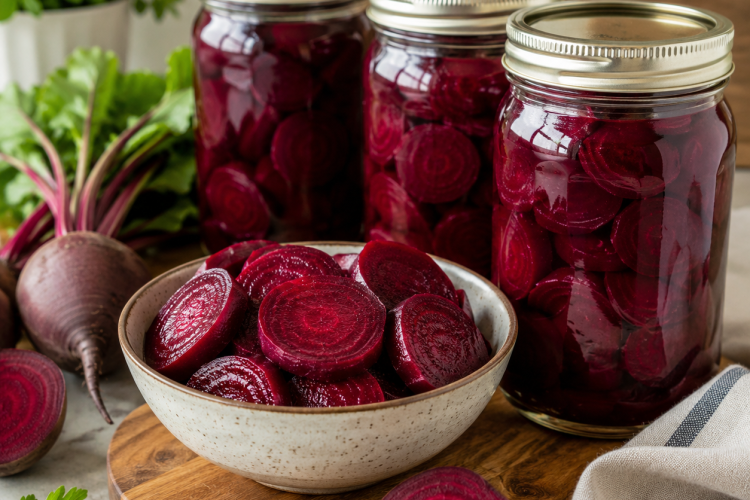
If you’re looking for an easy way to add bold flavor and vibrant color to your meals, these Sweet & Tangy Pickled Beets are an excellent choice. Made with fresh beets, a simple vinegar brine, garlic, and classic pickling spices, this homemade recipe delivers the perfect balance of sweetness and tanginess in every bite. The beets become tender while soaking up the flavorful brine, making them a delicious addition to salads, sandwiches, grain bowls, cheese boards, or roasted meat dishes. Since this is a refrigerator pickle recipe, there is no need for complicated canning equipment or advanced preserving techniques. With only a handful of everyday pantry ingredients, you can prepare a batch of pickled beets that stays fresh for weeks and becomes even more flavorful as it rests in the refrigerator. Whether you’re new to pickling or an experienced home cook, this recipe is simple, reliable, and rewarding.
Why Homemade Pickled Beets Are Worth Making
Homemade pickled beets have remained a favorite for generations because they combine fresh vegetables with a perfectly balanced sweet-and-sour brine. Preparing them at home gives you complete control over the ingredients, allowing you to avoid unnecessary preservatives, artificial flavors, and excess additives often found in store-bought products. The process is straightforward, making it ideal even for beginners who have never made pickled vegetables before. Fresh beets offer better texture and a naturally sweeter flavor than many packaged alternatives, while homemade brine allows you to adjust the sweetness or acidity according to your preference. These pickled beets are also incredibly versatile, making them useful for meal prep, quick lunches, side dishes, or healthy snacks. Once you experience their fresh flavor and beautiful appearance, they are likely to become a regular addition to your kitchen.
A Perfect Blend of Sweet, Tangy, and Savory Flavors
One of the reasons this recipe stands out is its well-balanced flavor profile. Fresh beets naturally have a mild earthy sweetness that becomes even more enjoyable after cooking. The vinegar provides the classic tangy taste associated with pickled vegetables, while sugar softens the sharpness of the brine and enhances the natural sweetness of the beets. Garlic adds gentle savory depth, whole peppercorns introduce subtle spice, and bay leaves contribute a warm aromatic note that rounds out the overall flavor. Every ingredient works together to create pickled beets that are neither overly sour nor excessively sweet. Instead, they offer a refreshing combination of flavors that complements everything from simple salads to hearty roasted meats, making them suitable for both everyday meals and special occasions.
Choosing the Best Fresh Beets
The quality of your beets plays a significant role in the final result. Selecting fresh, firm beets with smooth skins ensures better texture and richer flavor after pickling. Smaller and medium-sized beets are generally sweeter and more tender than very large ones, making them an excellent choice for this recipe. Look for beets with deep, vibrant color and avoid any with soft spots, wrinkles, or signs of spoilage. Fresh beets cook more evenly and absorb the pickling brine more effectively, resulting in better flavor throughout. While classic red beets are the traditional choice because of their rich color, golden beets can also be used if you prefer a milder taste and a beautiful golden appearance. Starting with high-quality vegetables is the first step toward making exceptional homemade pickled beets.
Why Vinegar Is Essential for Pickling
Vinegar is one of the most important ingredients in any pickling recipe because it provides both flavor and preservation. Its natural acidity creates the familiar tangy taste while helping keep the beets fresh during refrigeration. White vinegar is commonly chosen because it has a clean, sharp flavor that allows the sweetness of the beets to shine. For those who enjoy a slightly milder and fruitier taste, apple cider vinegar is an excellent alternative that pairs beautifully with earthy vegetables. When combined with water, sugar, and salt, the vinegar forms a balanced brine that transforms ordinary cooked beets into flavorful pickles. This carefully balanced liquid not only preserves the vegetables but also gradually infuses them with layers of sweet, tangy, and savory flavors as they rest in the refrigerator.
Cooking Beets for the Best Texture
Properly cooked beets are the foundation of a successful pickling recipe. Boiling the beets with their skins still attached helps preserve both their moisture and vibrant color while preventing unnecessary loss of flavor. Begin by washing the beets thoroughly to remove any dirt before placing them in a pot of water. Cook them until they are easily pierced with a fork but still hold their shape. Once cooked, allow them to cool slightly before peeling away the skins, which should slip off easily with gentle rubbing or a paper towel. This method keeps the beets tender without becoming mushy, allowing them to absorb the flavorful brine while maintaining a pleasant bite. Proper cooking ensures the finished pickled beets have an appealing texture that works well in a variety of dishes.
Different Ways to Slice Your Beets
The way you cut your cooked beets can slightly change both their appearance and how quickly they absorb the pickling liquid. Traditional round slices are one of the most popular choices because they look attractive in jars and work perfectly for sandwiches and salads. Thin slices absorb the brine more quickly, creating a stronger flavor in less time. Cubes are an excellent option for grain bowls, roasted vegetable platters, or quick side dishes, while wedges create an elegant presentation for charcuterie boards and holiday meals. Regardless of the shape you choose, try to keep the pieces uniform in size so they pickle evenly. Consistent slicing not only improves presentation but also ensures every piece develops the same balanced sweet-and-tangy flavor.
Garlic and Pickling Spices Enhance Every Bite
Simple seasonings make a remarkable difference in homemade pickled beets. Fresh garlic adds savory richness and a gentle aromatic quality without overpowering the natural sweetness of the beets. Whole peppercorns provide mild spice and subtle complexity, while bay leaves introduce a warm herbal aroma that is commonly associated with traditional pickling recipes. Together, these ingredients create a flavorful brine that becomes more aromatic as the beets marinate. The spices remain in the jar during refrigeration, slowly releasing their flavors into the vinegar mixture. Because the seasoning is balanced rather than overpowering, the beets remain the star of the recipe while benefiting from the added depth and complexity that these classic pickling ingredients provide.
The Convenience of Refrigerator Pickling
One of the biggest advantages of this recipe is that it uses the simple refrigerator pickling method instead of traditional canning. This means you can enjoy delicious homemade pickled beets without investing in specialized equipment or learning advanced preservation techniques. After cooking the beets and preparing the flavorful brine, simply combine everything in clean glass jars, allow the mixture to cool, and refrigerate. The cool temperature gradually allows the vegetables to absorb the sweet and tangy flavors while maintaining their firm texture. Refrigerator pickles are an excellent choice for beginners because the process is quick, straightforward, and highly dependable. Since there is no pressure canning involved, the preparation feels less intimidating while still producing fresh, flavorful pickled vegetables that are perfect for everyday meals.
Why Pickled Beets Taste Better After Resting
Although freshly prepared pickled beets are enjoyable, allowing them to rest in the refrigerator dramatically improves their flavor. During the first twenty-four hours, the cooked beets begin absorbing the vinegar, sugar, garlic, and spices, creating a balanced sweet-and-sour taste. After two or three days, the flavors become even richer as the ingredients continue blending together. The vinegar loses some of its initial sharpness, the sweetness becomes smoother, and the garlic and spices spread evenly throughout every slice. This resting period also slightly softens the texture while allowing the beets to remain pleasantly firm. Patience is rewarded with deeper flavor and a more satisfying eating experience, making these homemade pickled beets even better after a few days in the refrigerator.
Creative Ways to Enjoy Pickled Beets
These sweet and tangy pickled beets can be served in countless ways, making them one of the most versatile homemade condiments you can prepare. Add sliced beets to fresh green salads to introduce vibrant color and refreshing flavor, or layer them into sandwiches and wraps for a delicious contrast to roasted meats and cheeses. They also pair beautifully with grain bowls made with rice, quinoa, or couscous, where their acidity balances hearty ingredients. For entertaining, serve them on charcuterie boards alongside cheeses, nuts, olives, and crackers to create an attractive appetizer platter. Pickled beets also complement grilled chicken, roasted beef, pork, and roasted vegetables, adding brightness to richer dishes. Some people even enjoy eating them straight from the jar as a refreshing snack because of their naturally sweet and tangy taste.
Helpful Tips for Perfect Homemade Pickled Beets
A few simple techniques can make a noticeable difference in the quality of your finished pickled beets. Wearing disposable gloves while handling cooked beets helps prevent staining your hands, while using a cutting board reserved for colorful vegetables protects kitchen surfaces. Slice the beets into even pieces so they absorb the brine consistently and develop a uniform texture. Always use clean glass jars because they preserve flavor without reacting with the vinegar. Fresh garlic produces the cleanest and most vibrant flavor, while freshly cracked peppercorns provide gentle spice throughout the brine. Keep the beets completely submerged beneath the liquid during storage to ensure even pickling and maximum freshness. Following these simple tips will help you achieve excellent results every time you prepare this recipe.
Customize the Recipe to Suit Your Taste
One of the best features of homemade pickled beets is how easily the recipe can be customized. If you enjoy warm spices, add a cinnamon stick or a few whole cloves to the brine for a comforting seasonal flavor. Those who prefer sweeter pickles can increase the sugar slightly or replace part of it with honey for a smoother sweetness. Fresh herbs such as dill or thyme introduce a pleasant herbal aroma, while apple cider vinegar creates a fruitier, slightly milder flavor than white vinegar. For those who enjoy spicy foods, crushed red pepper flakes or sliced jalapeños provide gentle heat that pairs surprisingly well with the natural sweetness of beets. These simple adjustments allow you to create unique variations while maintaining the classic character of homemade pickled beets.
Storage Tips for Maximum Freshness
Proper storage is essential for maintaining both flavor and texture. Once the beets have cooled completely, transfer them to airtight glass jars, ensuring they remain fully covered by the pickling brine. Store the jars in the refrigerator, where they will continue developing flavor over the next several days. Homemade refrigerator pickled beets are generally best enjoyed within three weeks, although their peak flavor usually occurs after the first few days of marinating. Always use a clean fork or spoon when removing beets from the jar to reduce the risk of contamination. Avoid storing the pickles in metal containers, as vinegar may react with certain metals and alter the flavor. With proper care, each jar will remain fresh, colorful, and delicious throughout its storage period.
The Nutritional Value of Beets
Beets are naturally rich in valuable nutrients, making them a wonderful addition to a balanced diet. They provide dietary fiber that supports healthy digestion while remaining naturally low in fat. Their vibrant red color comes from beneficial plant compounds known for their antioxidant properties, and they also contain important vitamins and minerals that contribute to overall wellness. Because this recipe is prepared at home, you can enjoy these nutritious vegetables without many of the preservatives or additives found in some commercial products. Although the pickling process introduces sugar and vinegar, the finished recipe still offers a flavorful way to increase vegetable intake while enjoying a refreshing homemade side dish that complements a variety of healthy meals.
An Excellent Recipe for Meal Preparation
If you enjoy planning meals in advance, these homemade pickled beets are an excellent addition to your weekly meal prep routine. A single batch can be used in many different meals over several days, helping reduce cooking time while adding fresh flavor to simple dishes. Add them to salads one day, use them in sandwiches the next, and enjoy them alongside roasted meats later in the week. Their long refrigerator life makes them a practical choice for busy households because they require no additional preparation after they have finished marinating. Having a jar of homemade pickled beets ready in the refrigerator makes it easier to prepare colorful, nutritious meals with very little effort.
Frequently Asked Questions
Many home cooks have questions before making pickled beets for the first time. Fresh beets are recommended because they provide the best texture, although canned beets may be used when convenience is important. This recipe does not require special canning equipment since it is designed as a refrigerator pickle. Apple cider vinegar may be substituted for white vinegar if you prefer a milder, fruitier flavor. For the best results, allow the beets to marinate for at least twenty-four hours before serving so the flavors have time to develop. Freezing is generally not recommended because it can change the texture of the beets and reduce their crisp, tender consistency after thawing.
Conclusion
Sweet & Tangy Pickled Beets are a simple yet rewarding homemade recipe that transforms fresh beets into a vibrant, flavorful condiment suitable for countless meals. Their perfect balance of sweetness, acidity, and gentle spice makes them equally enjoyable as a side dish, salad topping, sandwich filling, or healthy snack. With easy preparation, everyday pantry ingredients, and no complicated canning process, this refrigerator pickle recipe is ideal for beginners as well as experienced home cooks. As the beets rest in the refrigerator, their flavor continues to improve, making every jar more delicious with time. Whether you’re preparing meals for the week or looking for a colorful addition to your table, these homemade pickled beets are a dependable recipe you’ll enjoy making again and again.
Sweet & Tangy Pickled Beets
Description
These Sweet & Tangy Pickled Beets are a colorful, flavorful refrigerator pickle made with tender cooked beets, a perfectly balanced sweet-and-sour vinegar brine, garlic, and aromatic spices. Easy to prepare and packed with fresh flavor, they make a delicious addition to salads, sandwiches, grain bowls, charcuterie boards, and roasted meat dishes. This beginner-friendly recipe requires no complicated canning process and becomes even more flavorful after a few days in the refrigerator.
Preparation & Cooking Time
- Preparation Time: 20 minutes
- Cooking Time: 40–50 minutes
- Marinating Time: At least 24 hours
- Total Time: About 1 hour 10 minutes (plus chilling time)
Servings
6–8 servings
Ingredients
For the Pickled Beets
- 2 pounds fresh beets, washed with stems trimmed
- 2 cloves garlic, peeled
- 2 bay leaves
- 1 teaspoon whole black peppercorns
- ½ small red onion, thinly sliced (optional)
For the Pickling Brine
- 1 cup white vinegar
- 1 cup water
- ½ cup granulated sugar
- 1 teaspoon salt
Optional Flavor Variations
- 1 cinnamon stick
- 2–3 whole cloves
- Fresh dill sprigs
- Fresh thyme
- Crushed red pepper flakes
- Sliced jalapeños
- Apple cider vinegar (instead of white vinegar)
Instructions
Step 1: Cook the Beets
Wash the fresh beets thoroughly, leaving the skins intact. Place them in a large saucepan or pot and cover with water. Bring to a boil, then reduce the heat and cook until the beets are fork-tender, about 40 to 50 minutes, depending on their size.
Step 2: Cool and Peel
Drain the cooked beets and allow them to cool until they are comfortable to handle. Rub the skins off using your hands or a paper towel, then trim away the stems and roots.
Step 3: Slice the Beets
Cut the peeled beets into your preferred shape. Thin slices, rounds, wedges, or cubes all work well. Try to keep the pieces evenly sized for consistent pickling.
Step 4: Prepare the Brine
In a saucepan, combine the white vinegar, water, sugar, and salt. Add the garlic cloves, bay leaves, and black peppercorns. Bring the mixture to a gentle boil while stirring until the sugar and salt have completely dissolved.
Step 5: Fill the Jars
Arrange the sliced beets inside clean glass jars. If using sliced red onion, add it between the beet layers. Carefully pour the hot pickling brine over the beets until they are completely submerged.
Step 6: Cool Completely
Allow the jars to cool to room temperature before sealing them with airtight lids.
Step 7: Refrigerate
Place the jars in the refrigerator for at least 24 hours before serving. For the richest flavor, allow the beets to marinate for 2 to 3 days.
Step 8: Serve
Enjoy the pickled beets chilled as a side dish or add them to salads, sandwiches, wraps, burgers, grain bowls, or cheese platters.
Nutritional Information (Approximate Per Serving)
- Calories: 85
- Protein: 2 g
- Carbohydrates: 19 g
- Dietary Fiber: 3 g
- Total Fat: 0 g
- Saturated Fat: 0 g
- Sodium: 240 mg
- Sugars: 15 g
- Vitamin C: 8% Daily Value
- Folate: 20% Daily Value
- Potassium: 9% Daily Value
Nutrition values are estimates and may vary depending on ingredient brands and serving sizes.
Recipe Notes
Serving Suggestions
- Add to fresh green salads for vibrant color and tangy flavor.
- Layer into burgers, wraps, and sandwiches.
- Pair with goat cheese, feta, or aged cheddar on a charcuterie board.
- Serve with roasted chicken, beef, pork, or grilled fish.
- Mix into grain bowls with quinoa, rice, or couscous.
- Enjoy directly from the jar as a refreshing snack.
Helpful Tips
- Choose small or medium-sized beets for the sweetest flavor and most tender texture.
- Keep the beet skins on while boiling to help preserve moisture and color.
- Wear disposable gloves when peeling cooked beets to prevent staining your hands.
- Use glass jars instead of metal containers, as vinegar may react with metal.
- Make sure the beets remain completely covered by the pickling liquid during storage.
- Refrigerate for at least 24 hours, but allow 2–3 days for the best flavor.
- Store refrigerated pickled beets for up to 3 weeks.
- Always use a clean utensil when removing beets from the jar to maintain freshness.
- For a sweeter version, add a little more sugar or substitute part of it with honey.
- Add cinnamon, cloves, dill, thyme, or chili flakes to create unique flavor variations while keeping the recipe fresh and exciting.